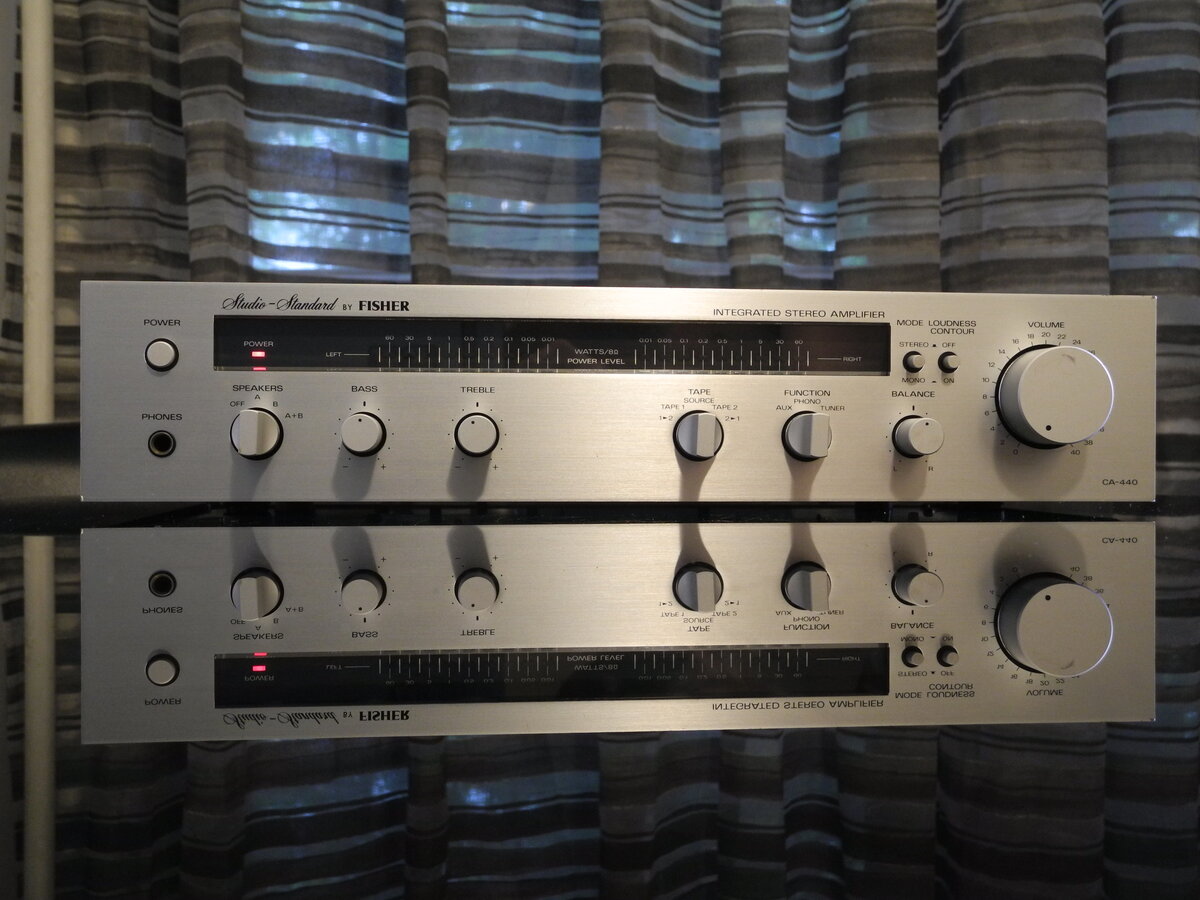
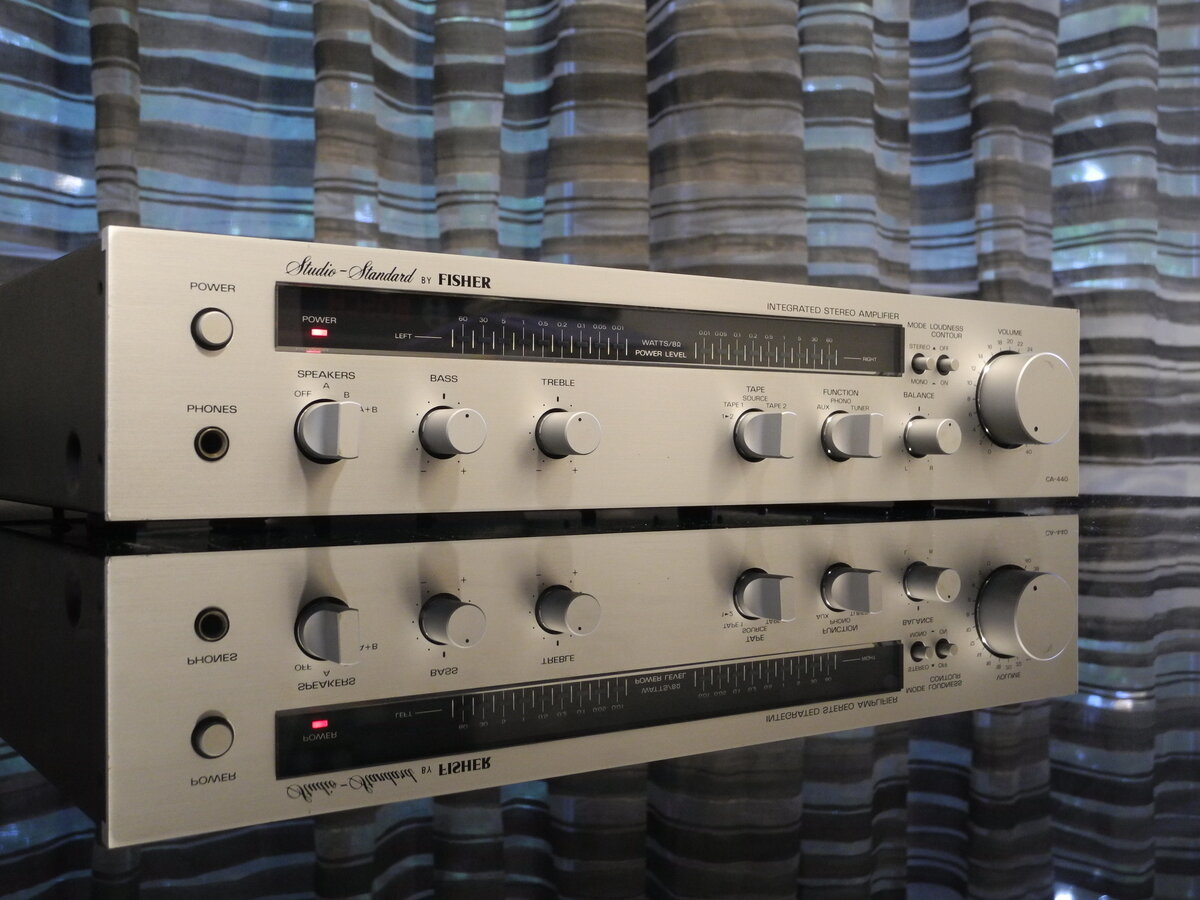
Fisher CA-440
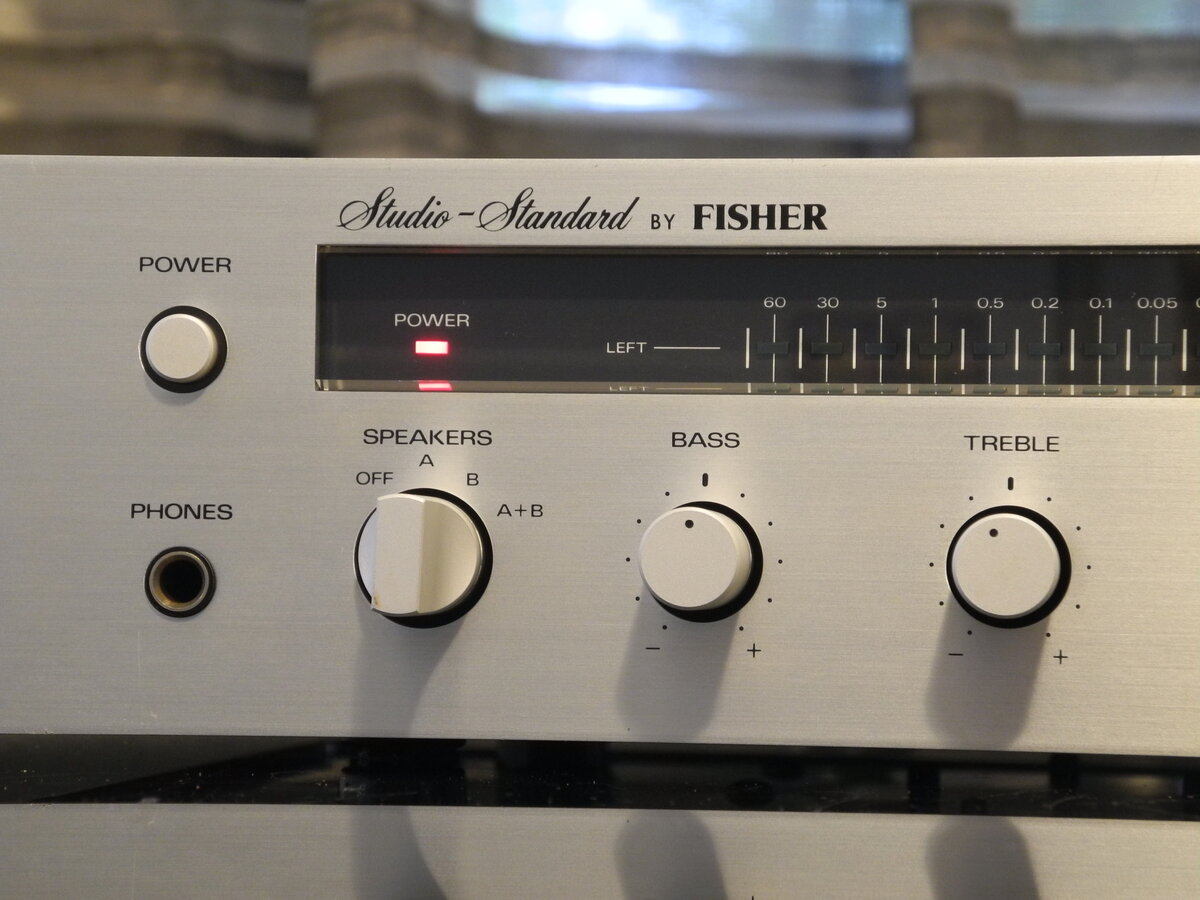
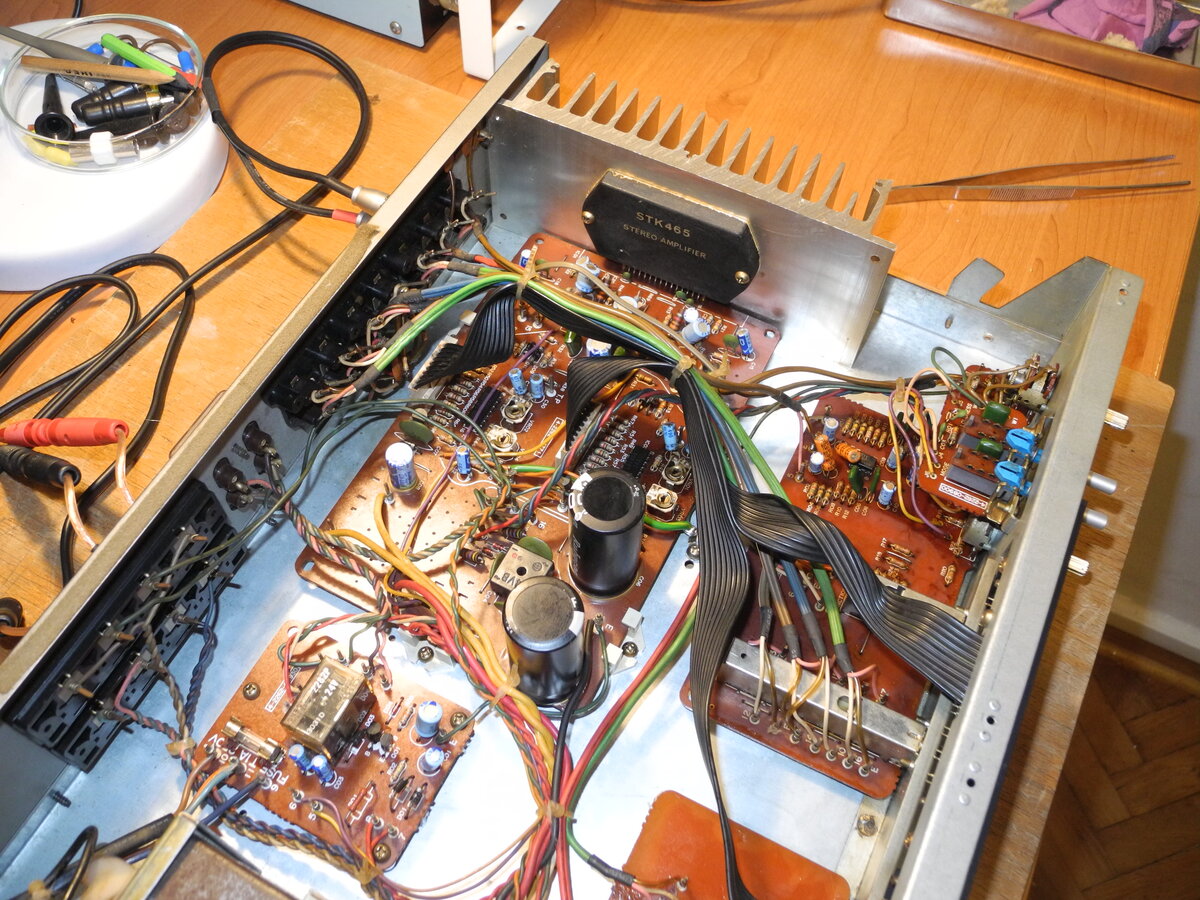
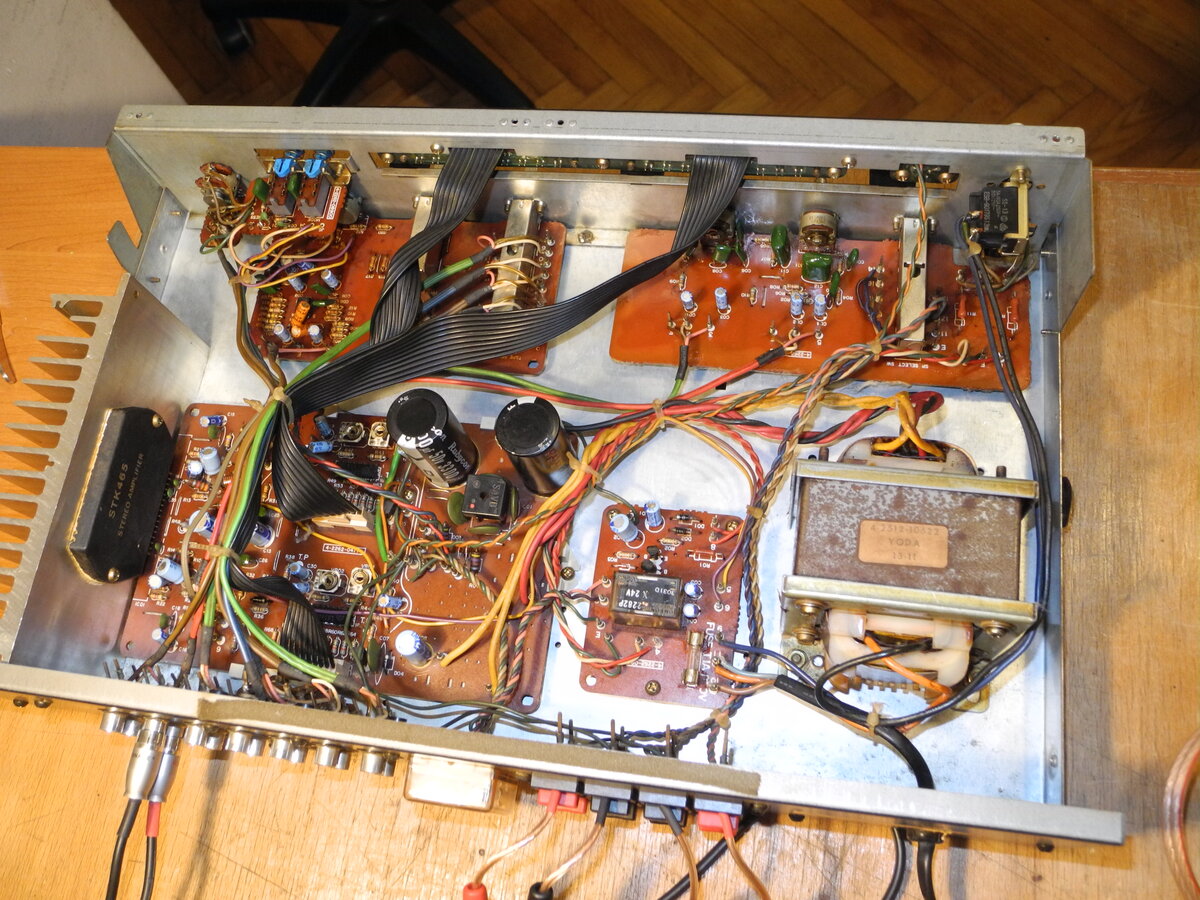
The Fisher CA-400 is a mid-range integrated stereo amplifier featuring an STK465 hybrid power circuit, capable of delivering up to 30 watts per channel into 8Ω loads. Its build quality is above average, which is consistent with other Fisher components from that era.

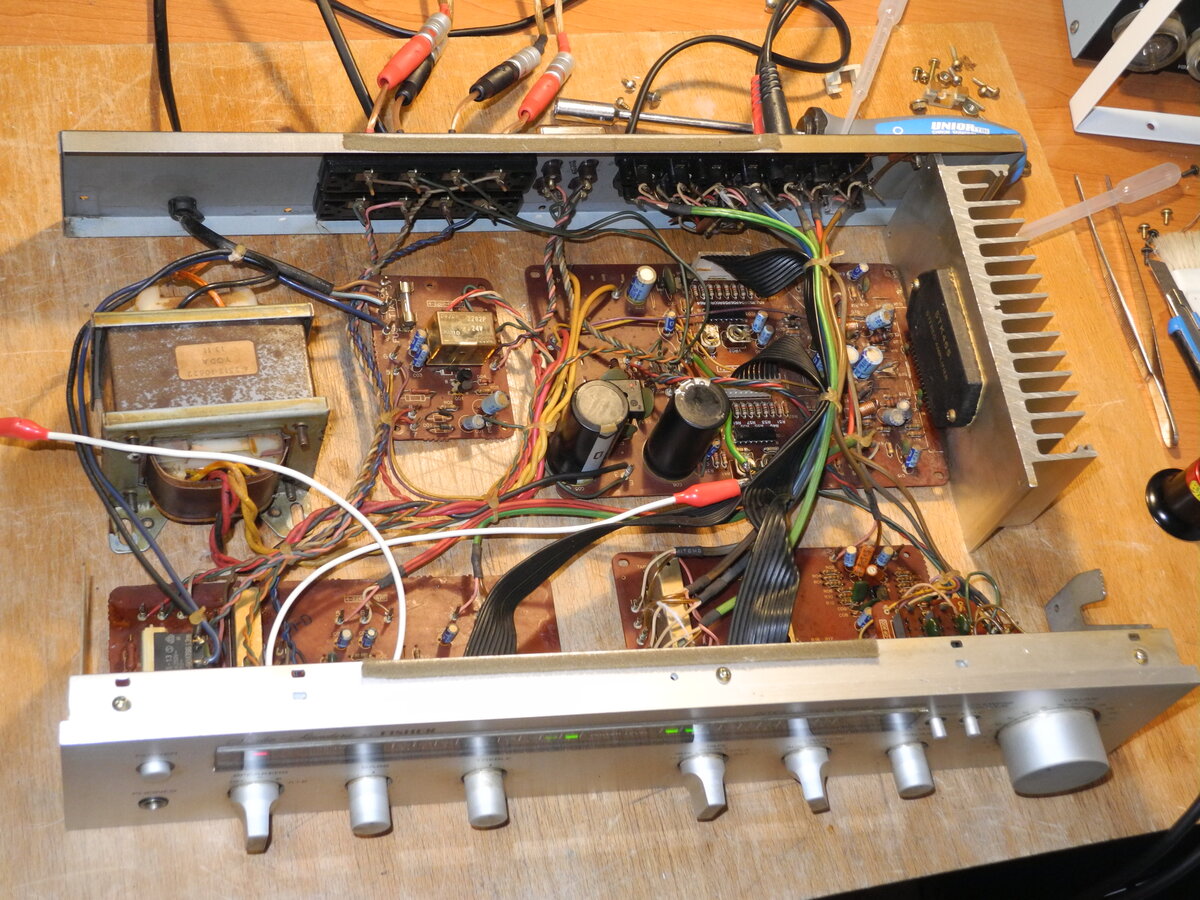
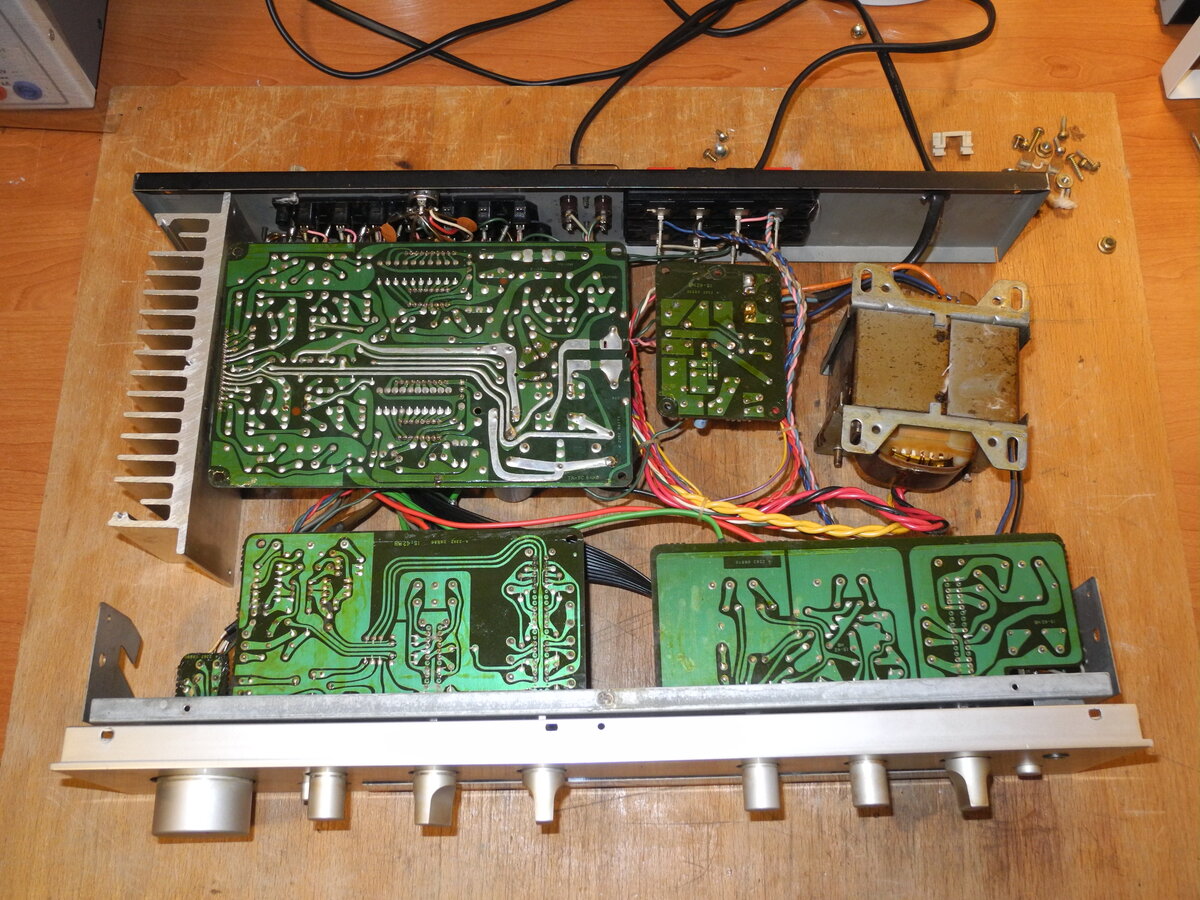
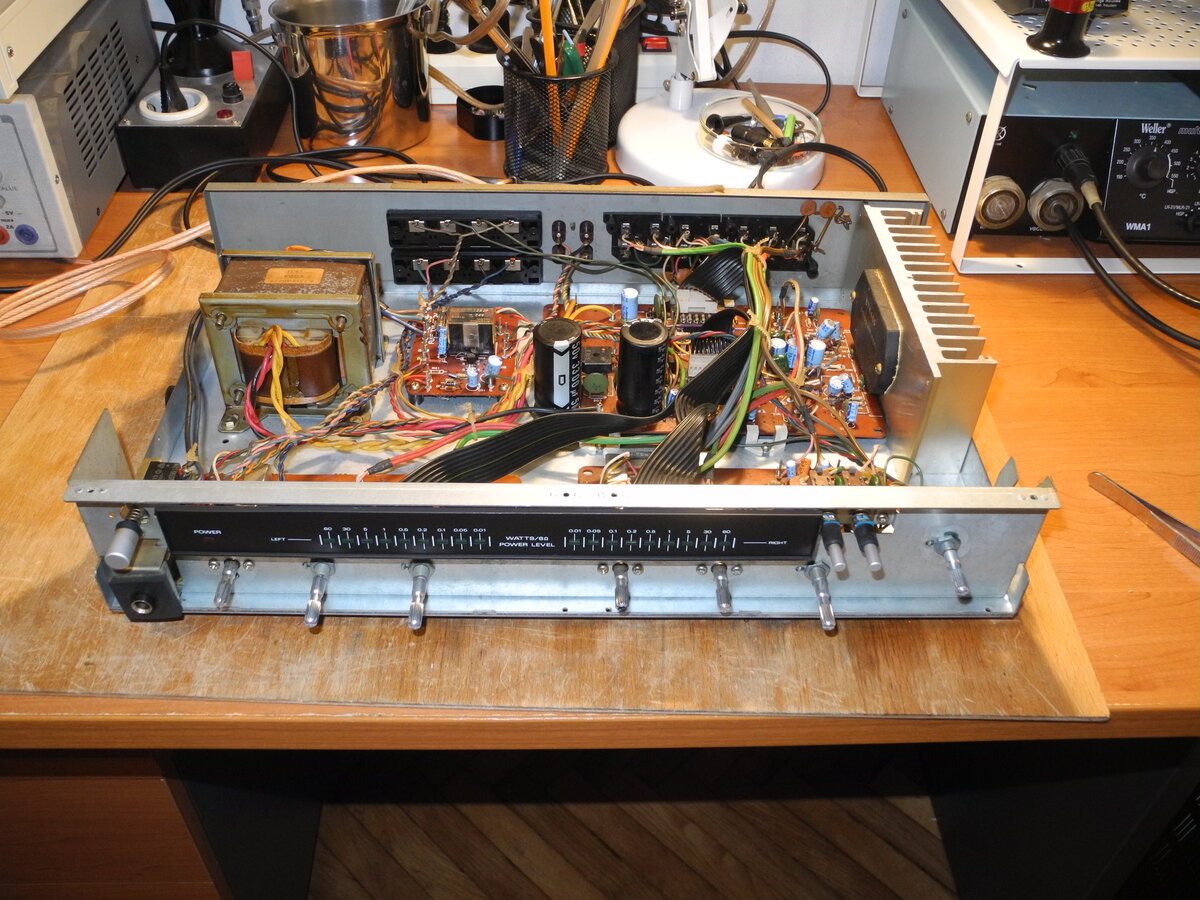
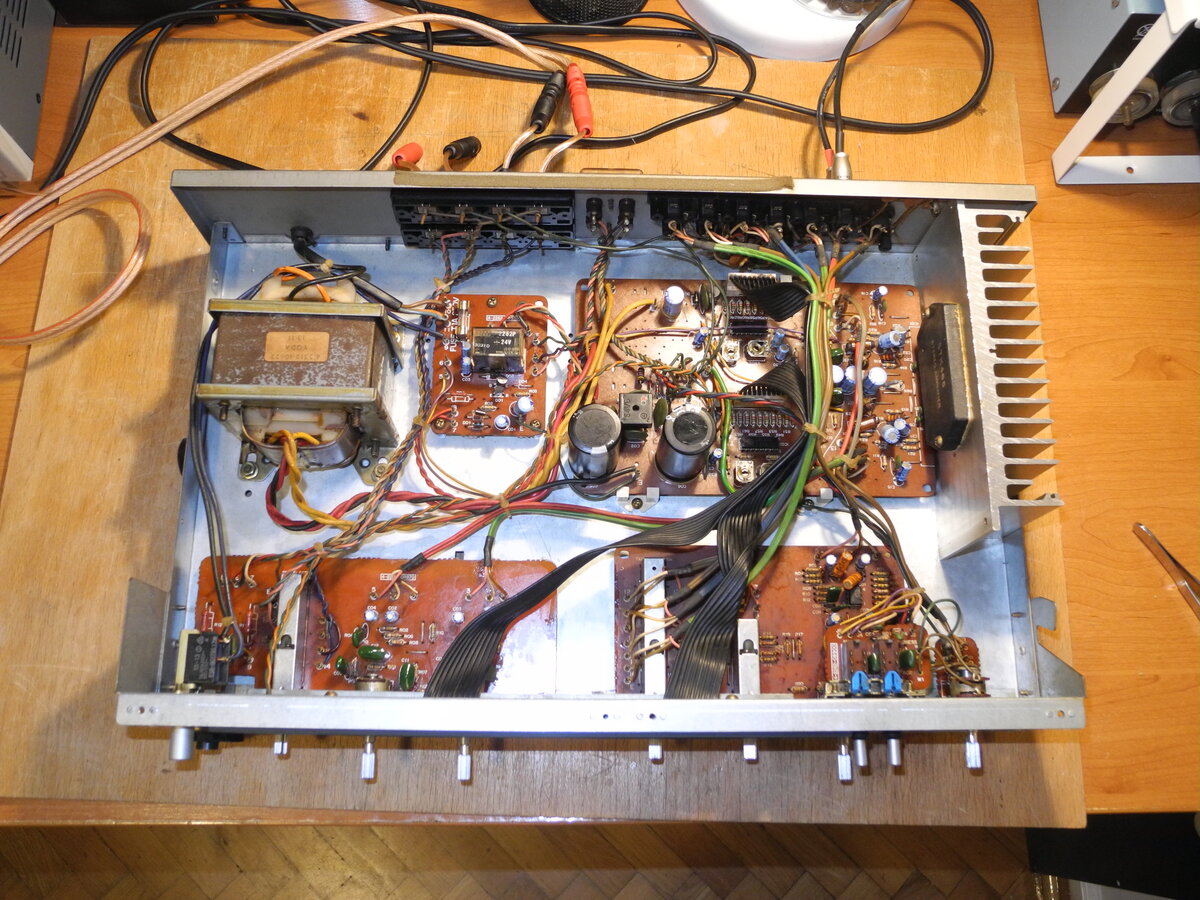
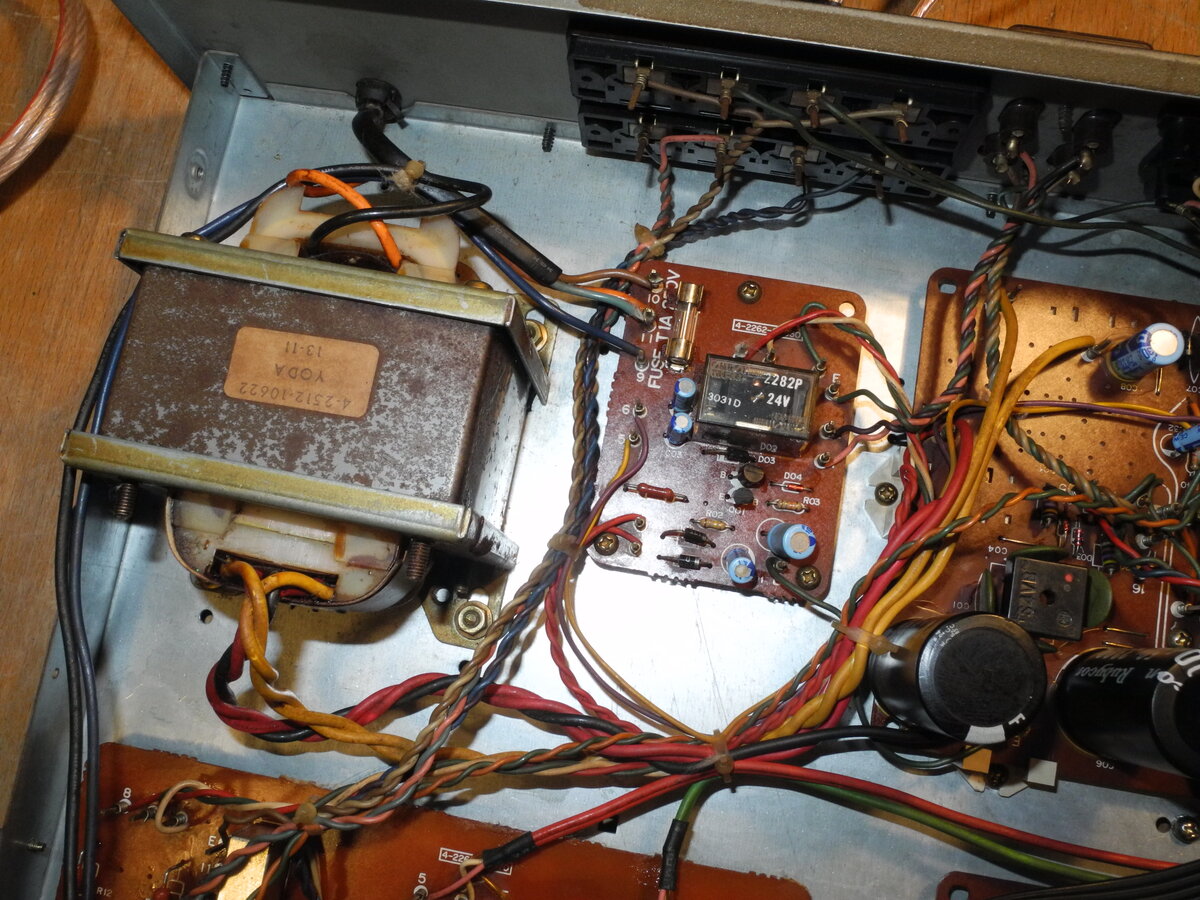
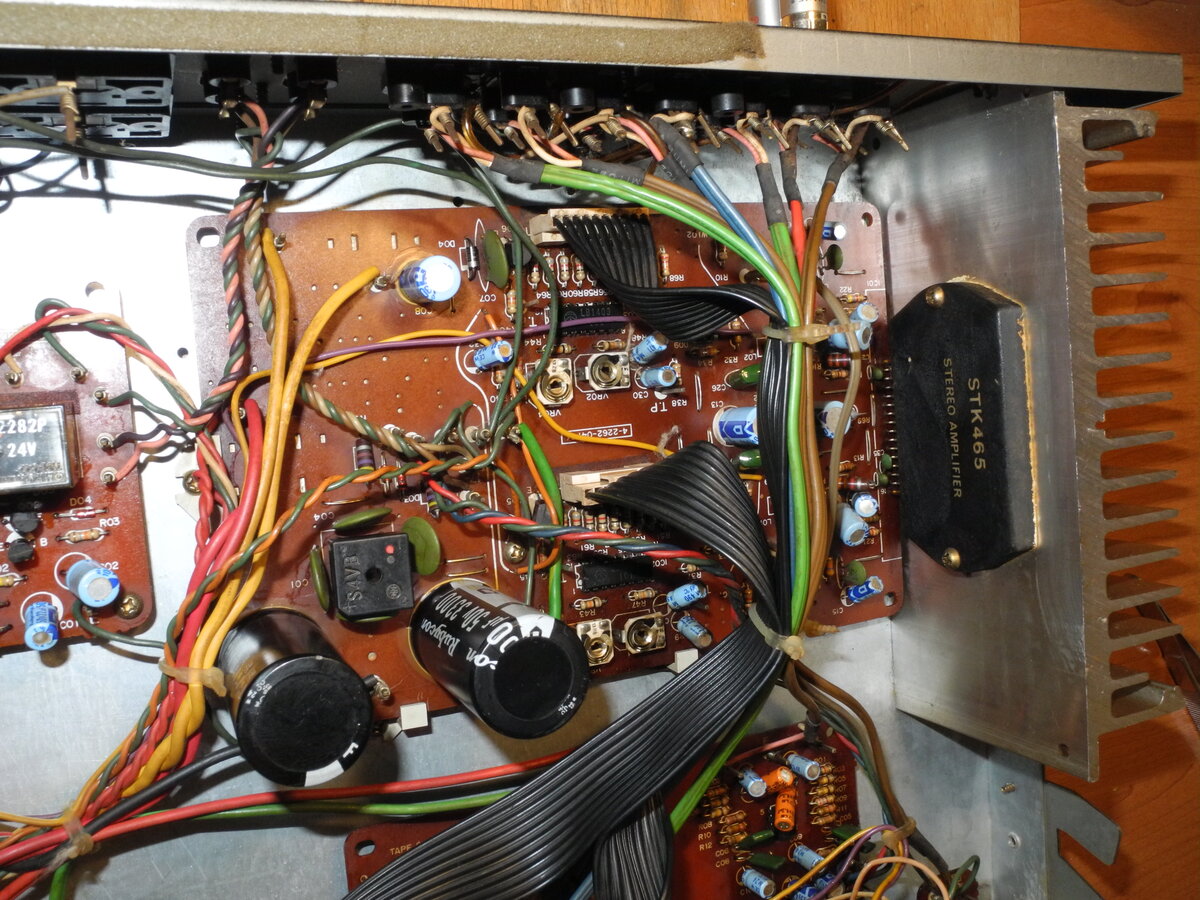
General Specifications
Maximum power (8Ω): 30WFrequency response (1W ±3dB): 10Hz-100kHz
THD (1W): <0.08%
Speaker load impedance: 8Ω
Dimensions (WHD): 440×90×330mm
Weight: 6.5kg
Produced: 1984
Measured Values
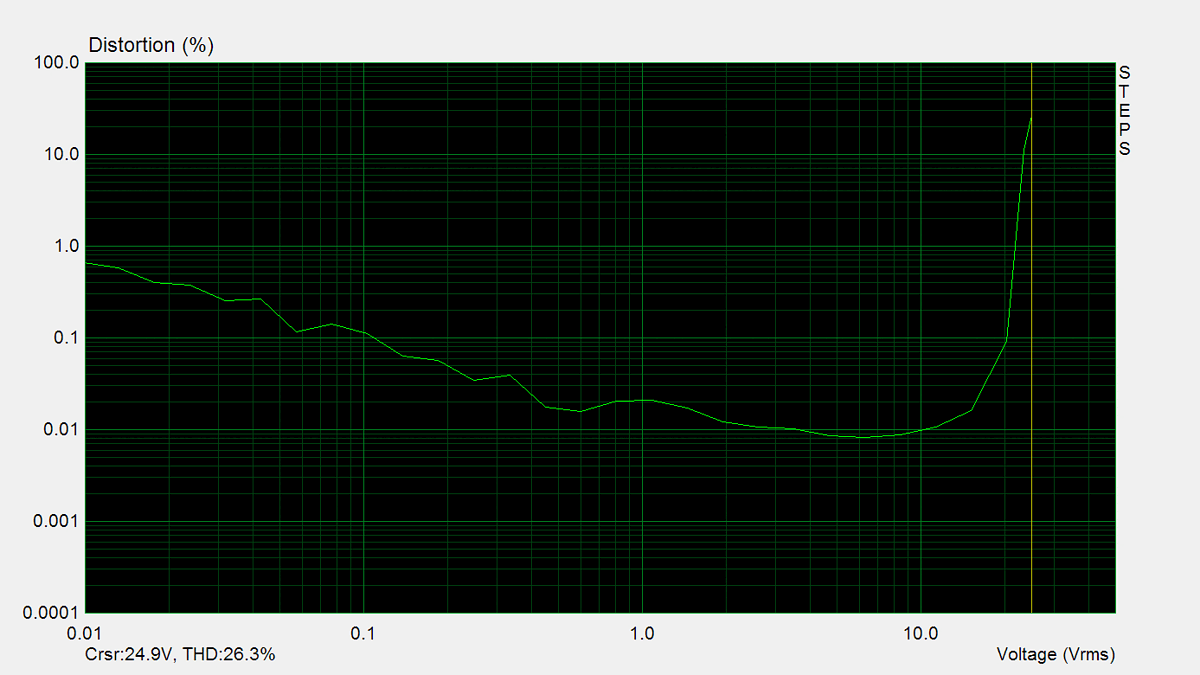
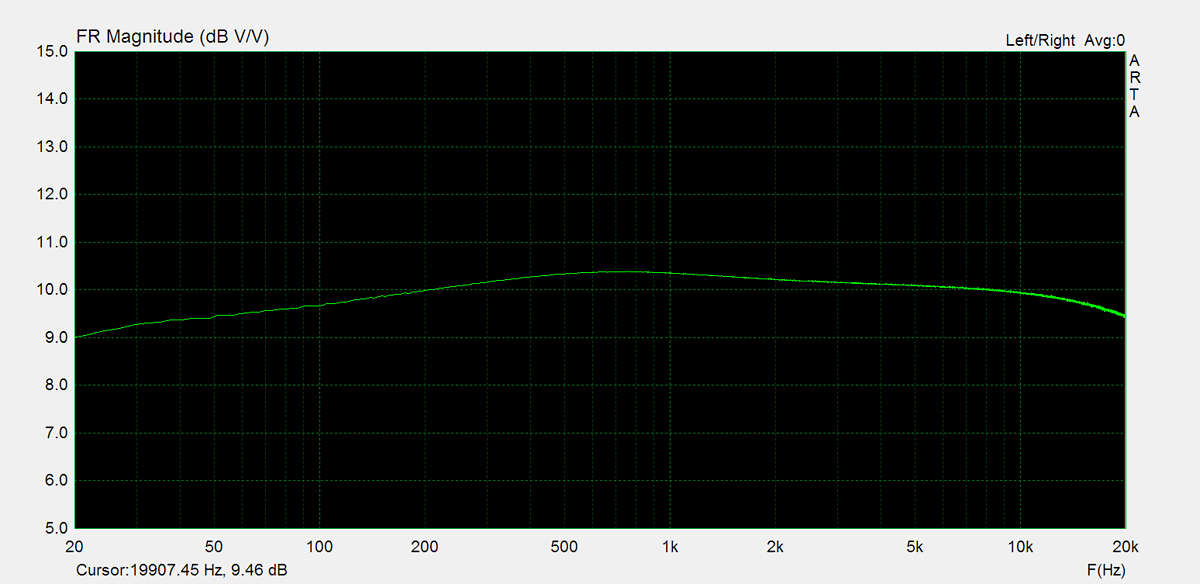
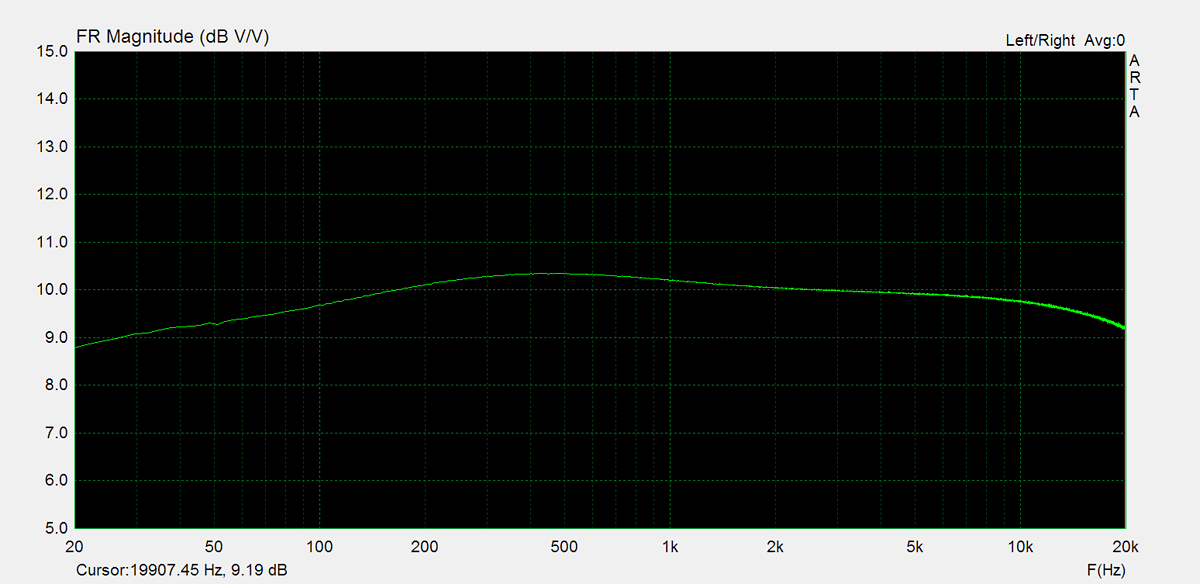
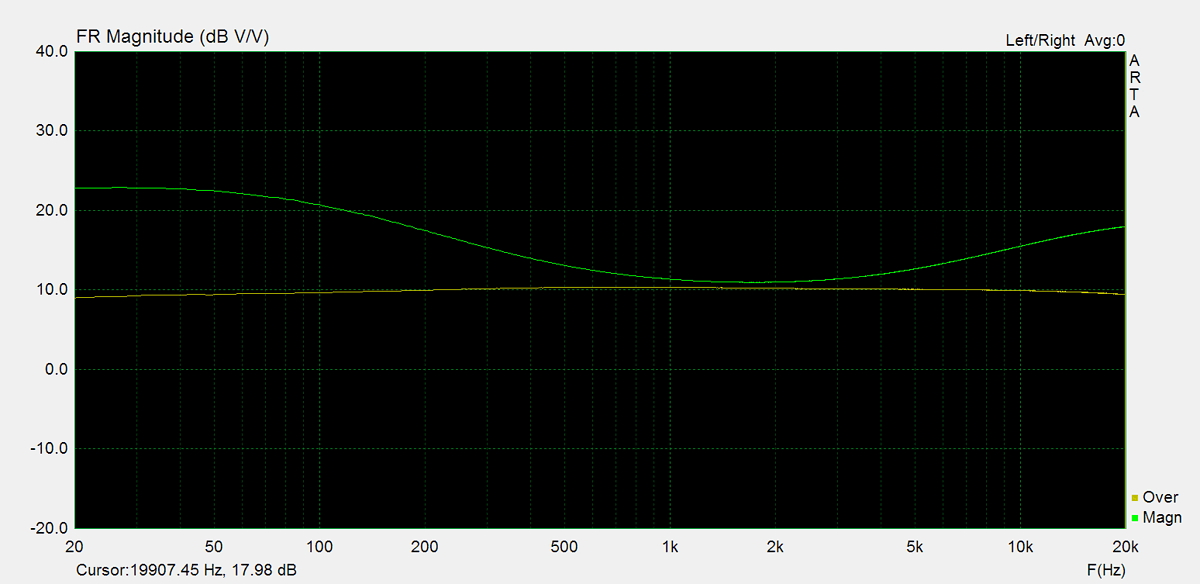
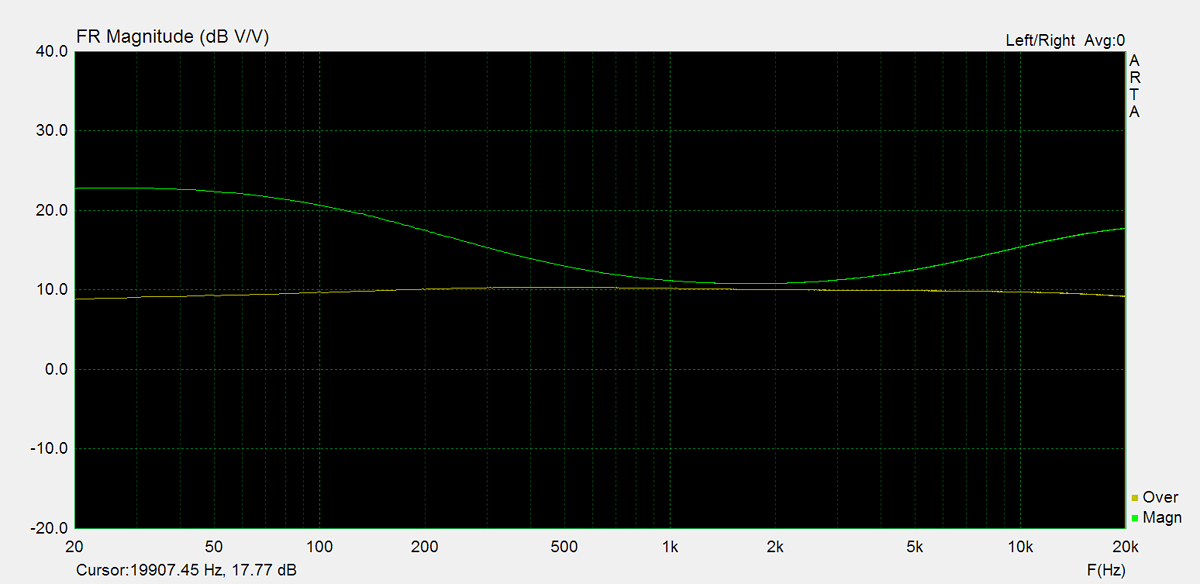
Maximum power (8Ω): 36WFrequency response (20Hz-20kHz): <1.5dB
Channel imbalance: <0.5dB
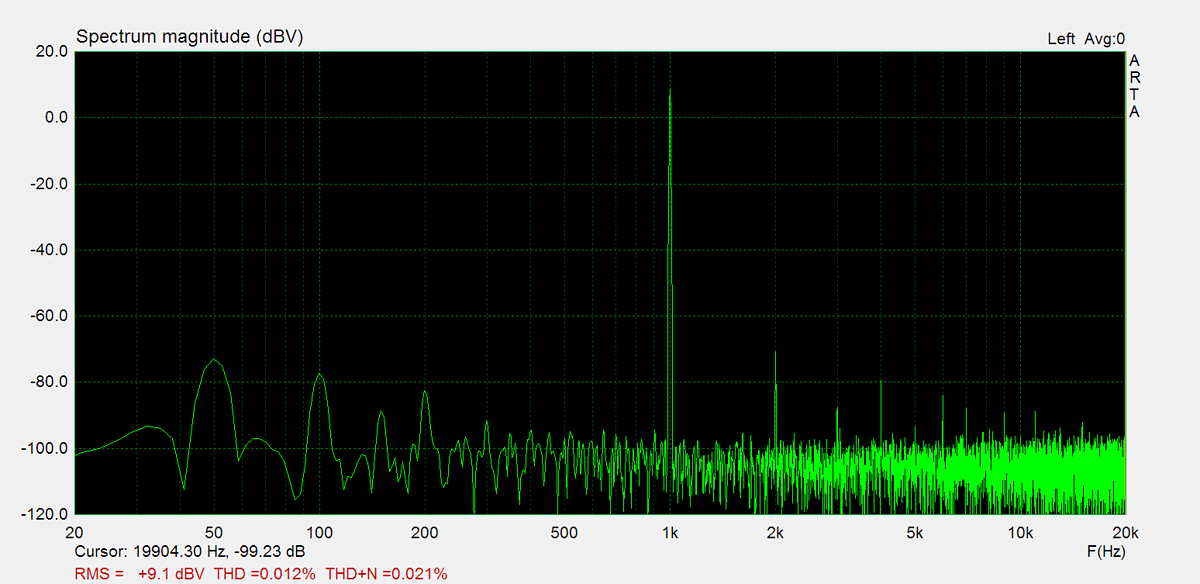
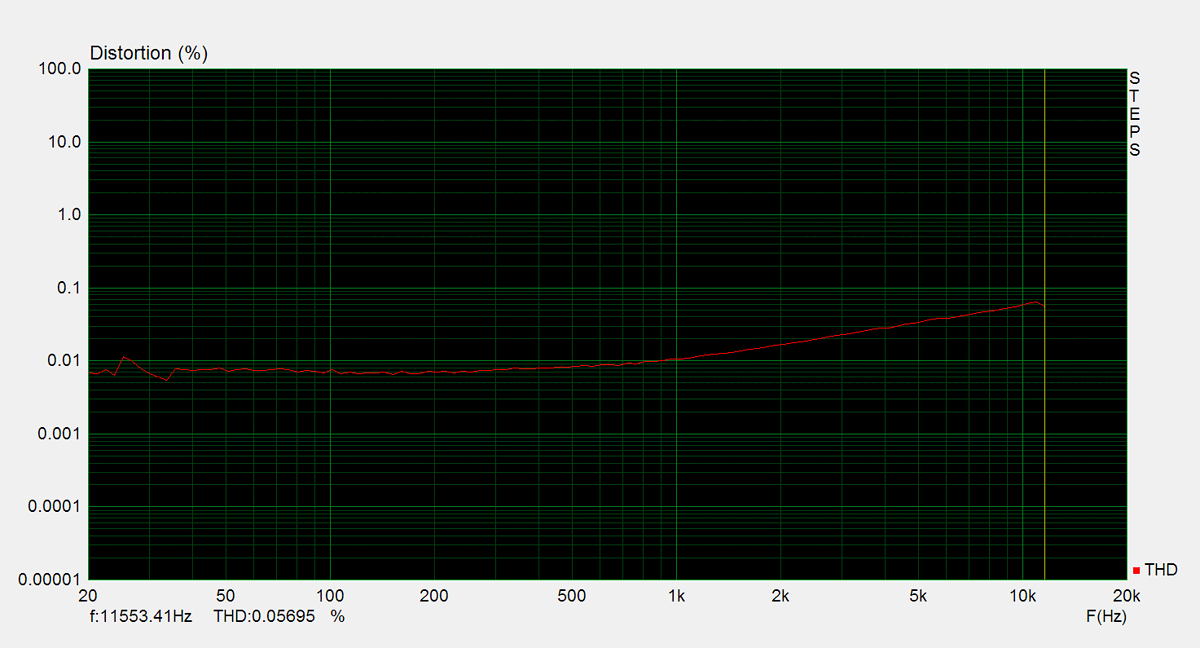
THD (1kHz, 1W): 0.012%
THD+N (1kHz, 1W): 0.021%
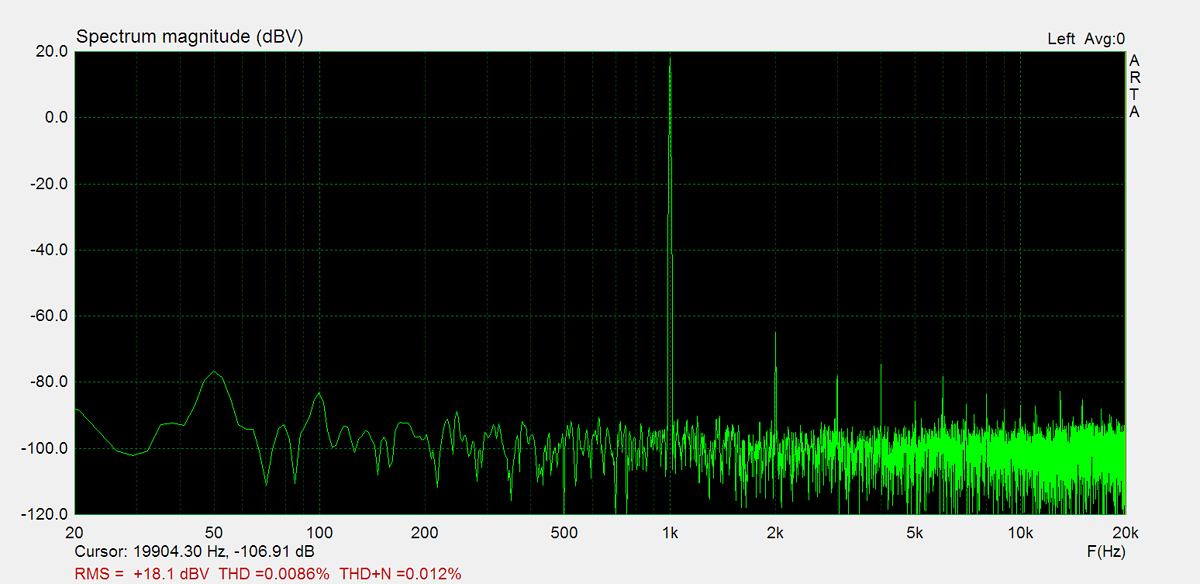
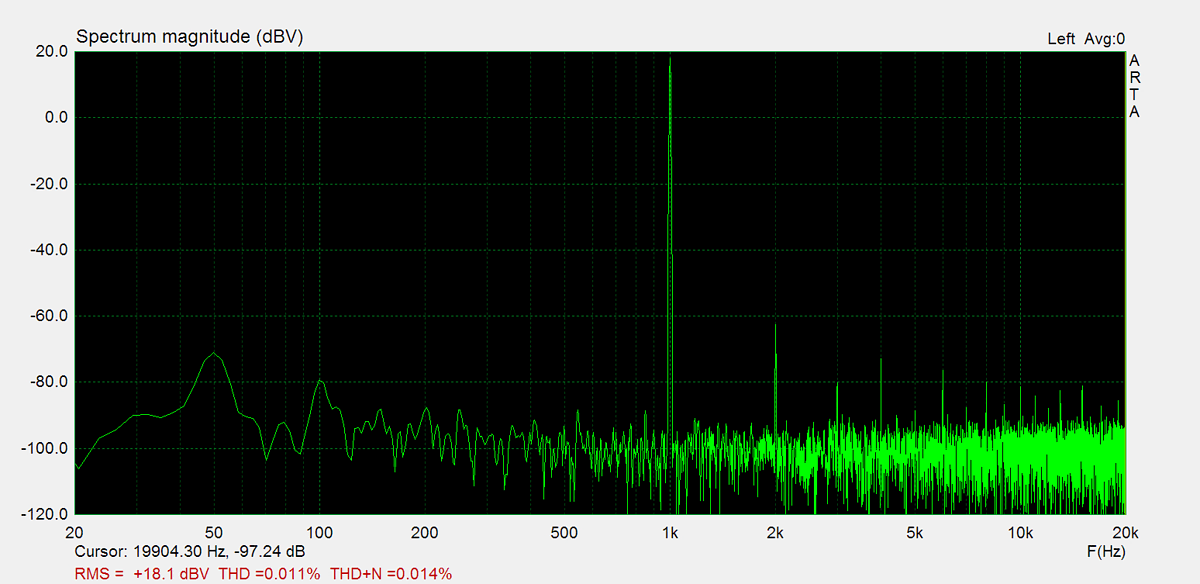
THD (1kHz, 20W): 0.011%
THD+N (1kHz, 20W): 0.014%
IMD (70Hz, 5kHz, 1W): 0.063%
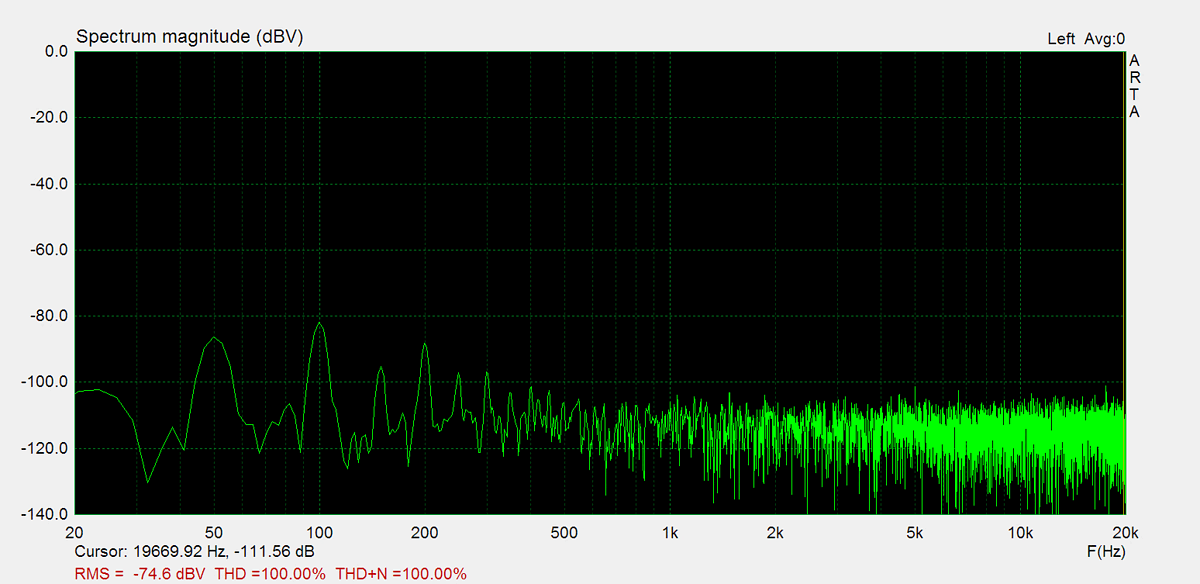
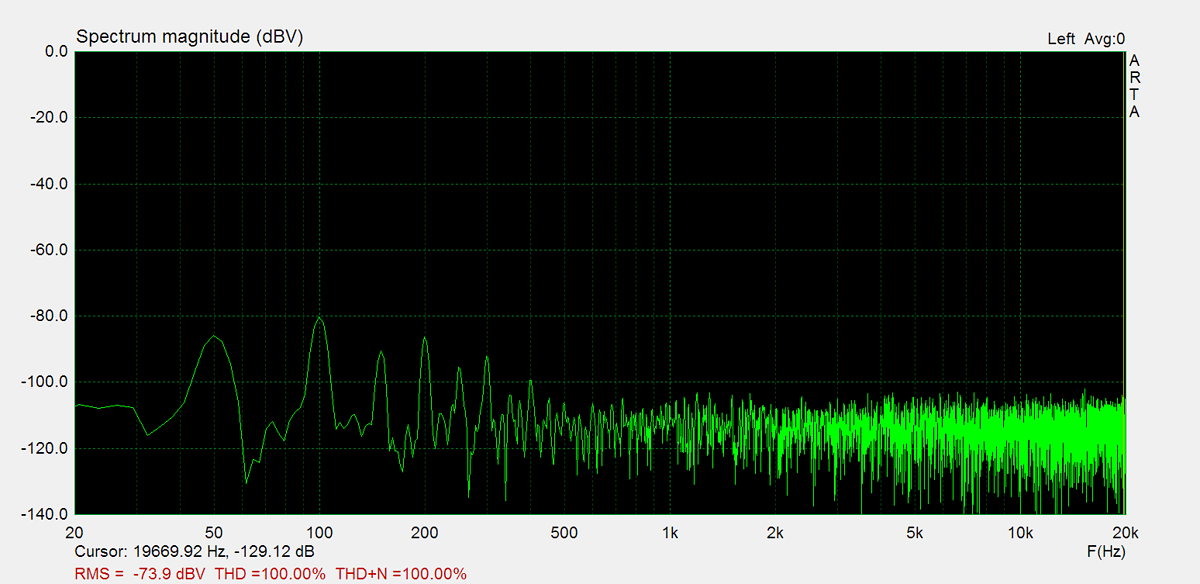
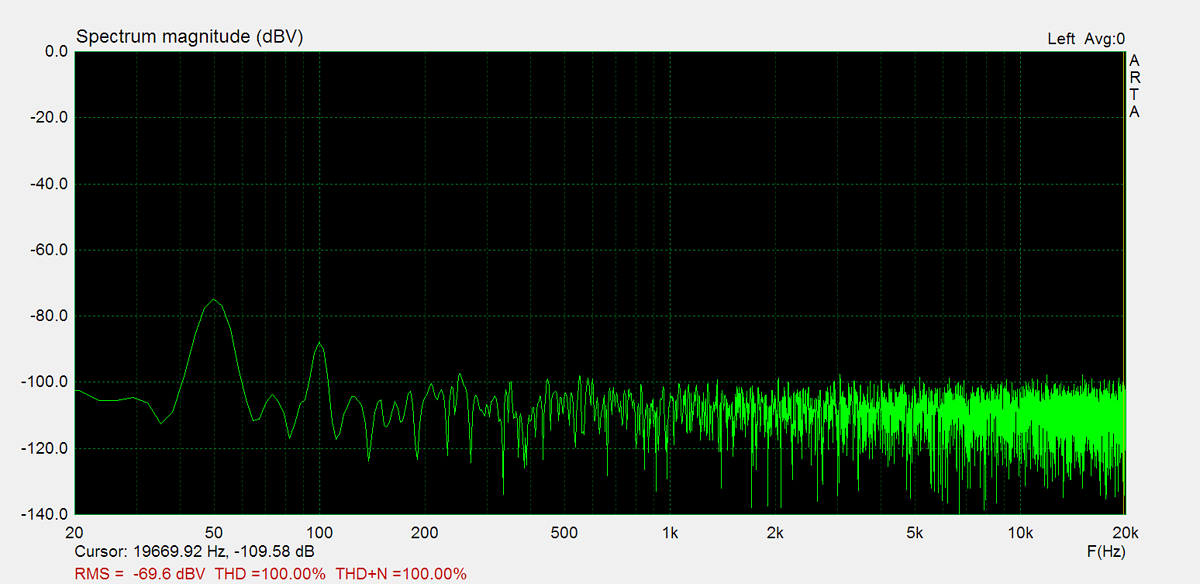
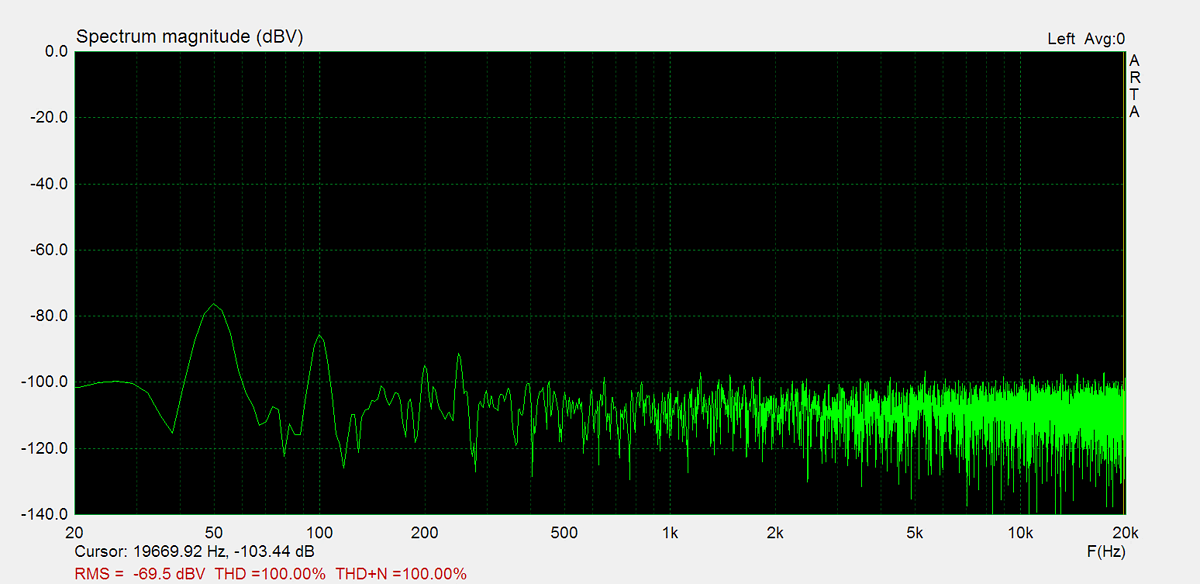
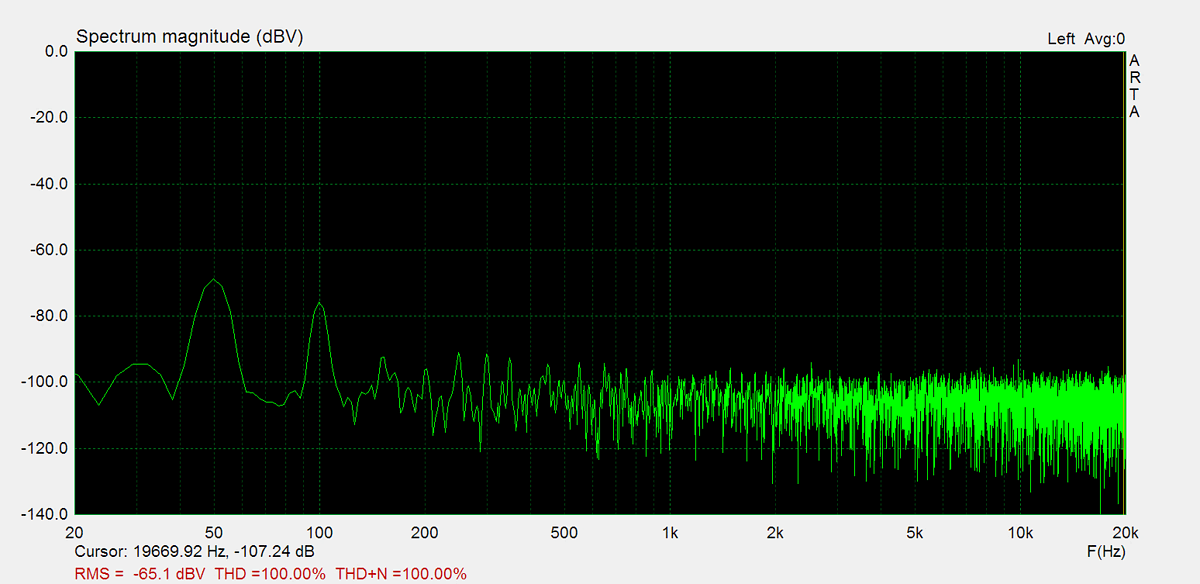
Noise: -65.1dB
Amplification: 97.7
DC offset L: 28.9mV
DC offset R: 18.1mV
Maximum Power
Maximum power is measured using 8Ω resistors on both channels. A 1kHz sine wave input signal is applied and gradually increased until higher harmonics rise significantly. Typically, this is the point at which output clipping occurs.
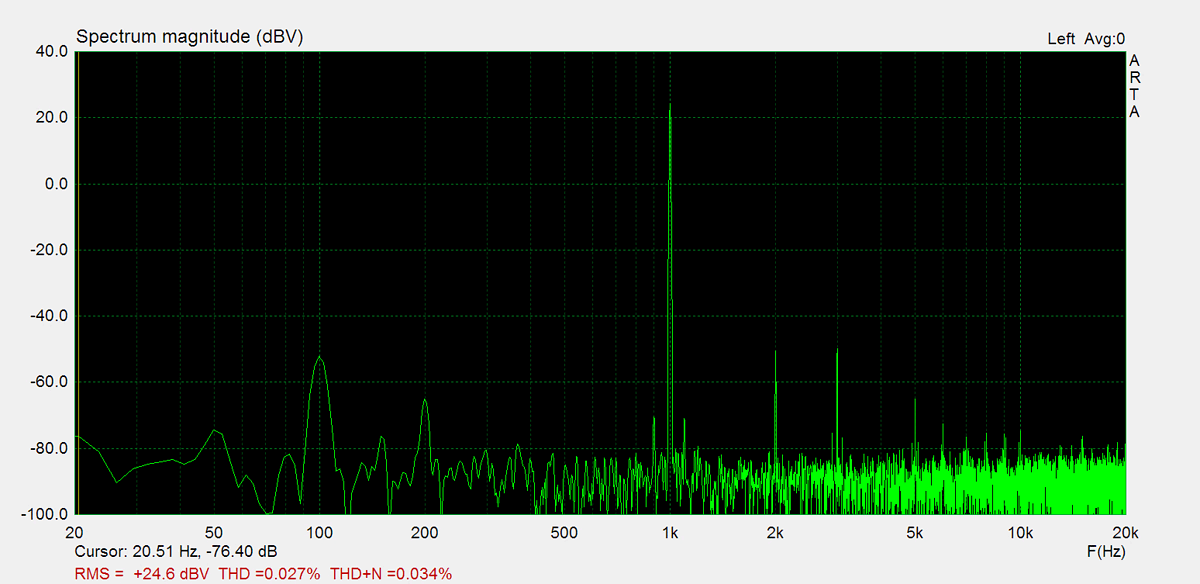
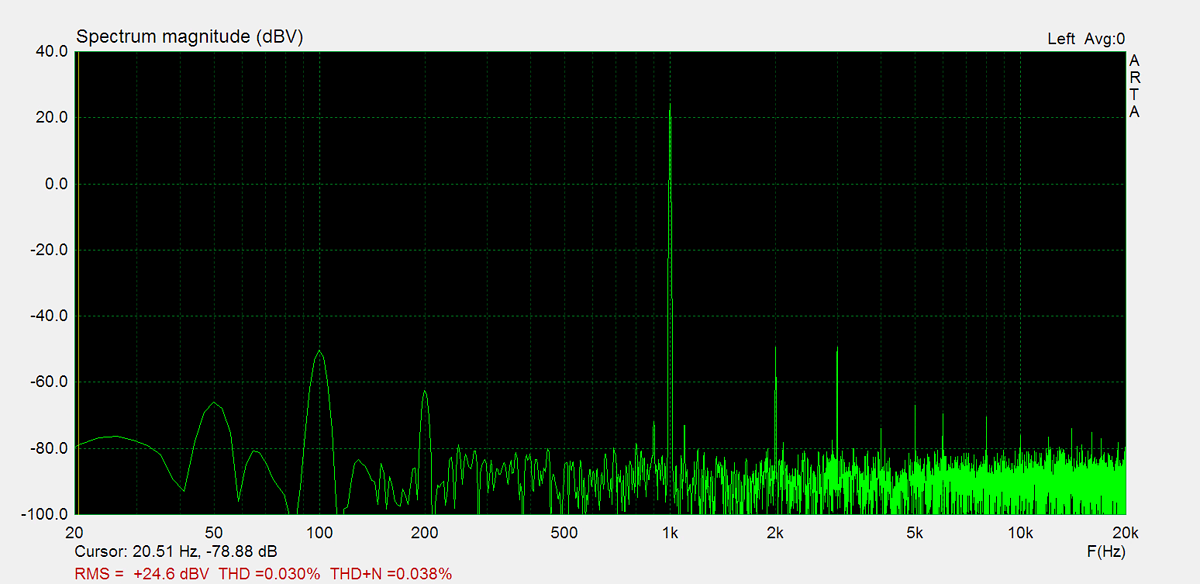
Frequency Response
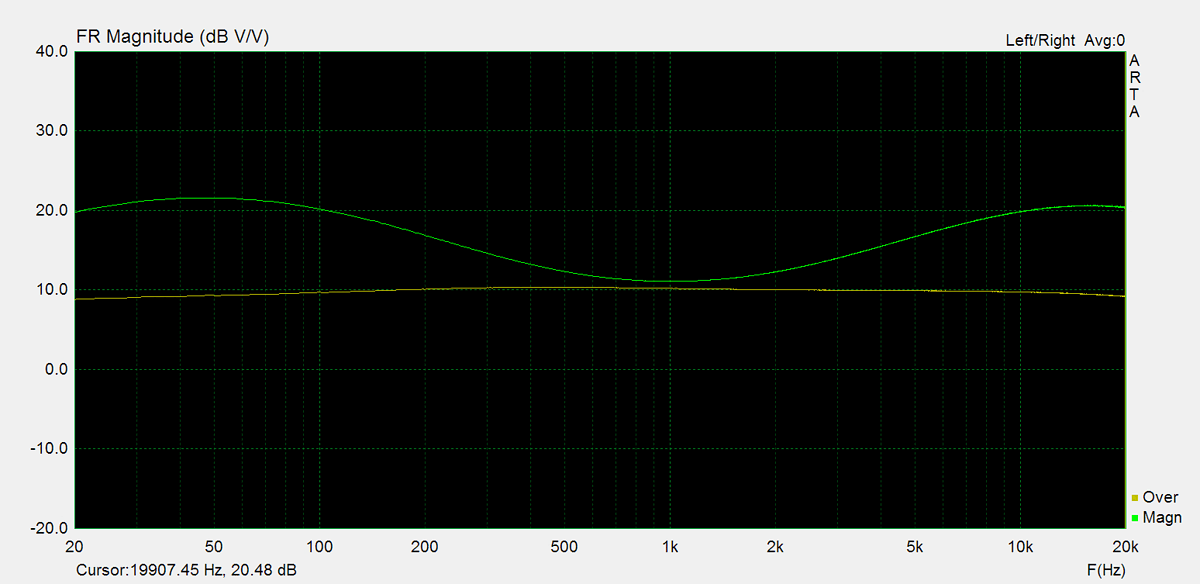
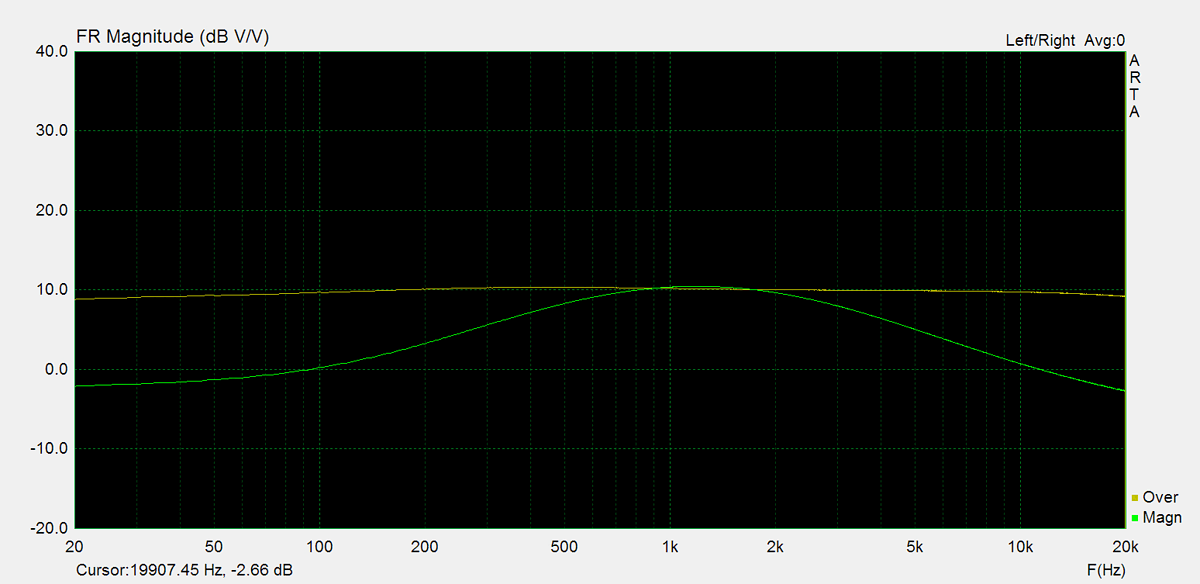
Frequency response is measured using several equilizer settings. 'Flat' indicates the tone controls are either turned off or set to their neutral position. 'Max' and 'Min' refer to the maximum and minimum tone control positions, respectively. In the phono section, the expected response follows the RIAA equalization curve.




Residual Noise
These graphs display the noise levels at various volume positions. To eliminate any interference from the input signal, the input lines are shorted during the measurement. Generally, the noise is highest at the mid-point of the volume range (50%)

Distorsion
Total harmonic distortion (THD) is measured using a 1kHz sine wave input, with the output level adjusted to meet different conditions. Intermodulation distortion (IMD) is measured using 'two sine' input signal. THD versus voltage is measured with a 1kHz sine wave input, while THD versus frequency is measured at various output levels.