Hitachi HA-330
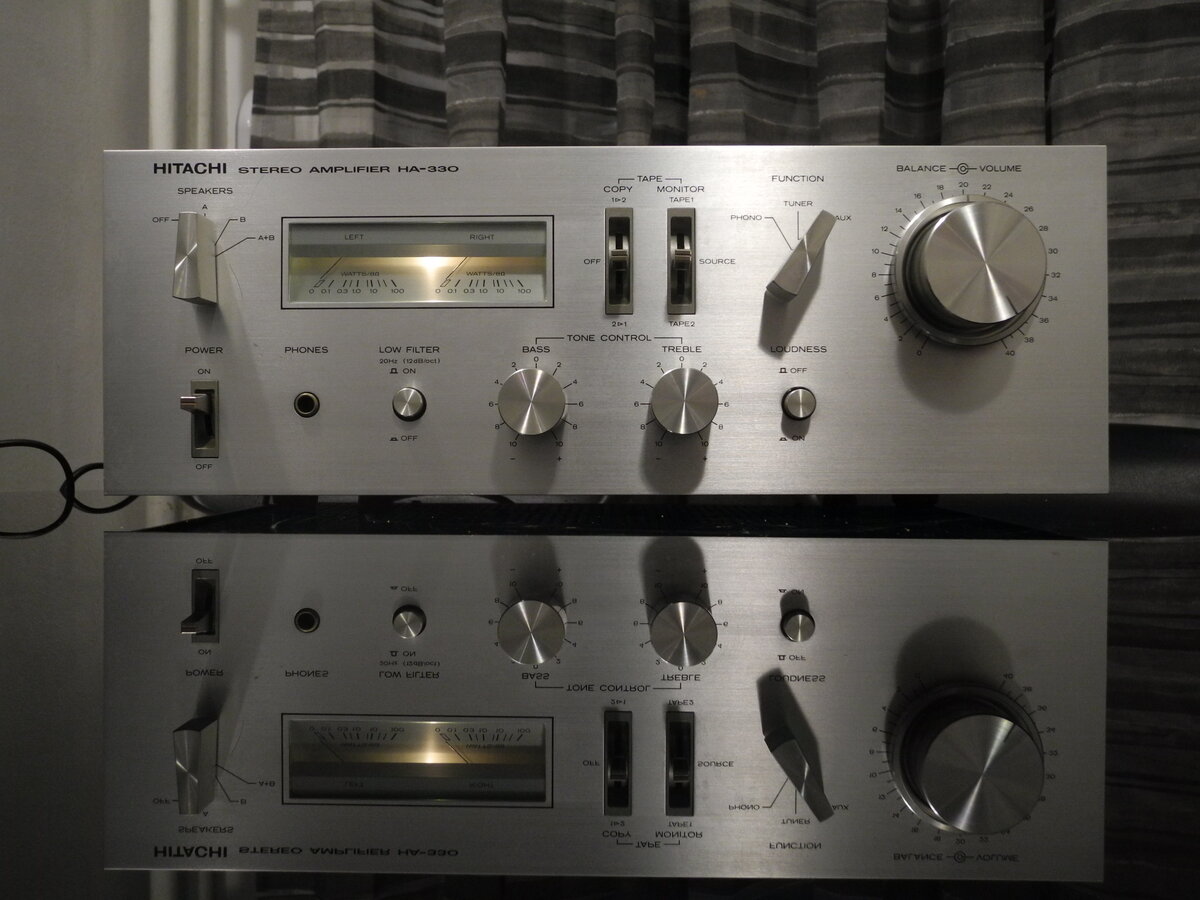
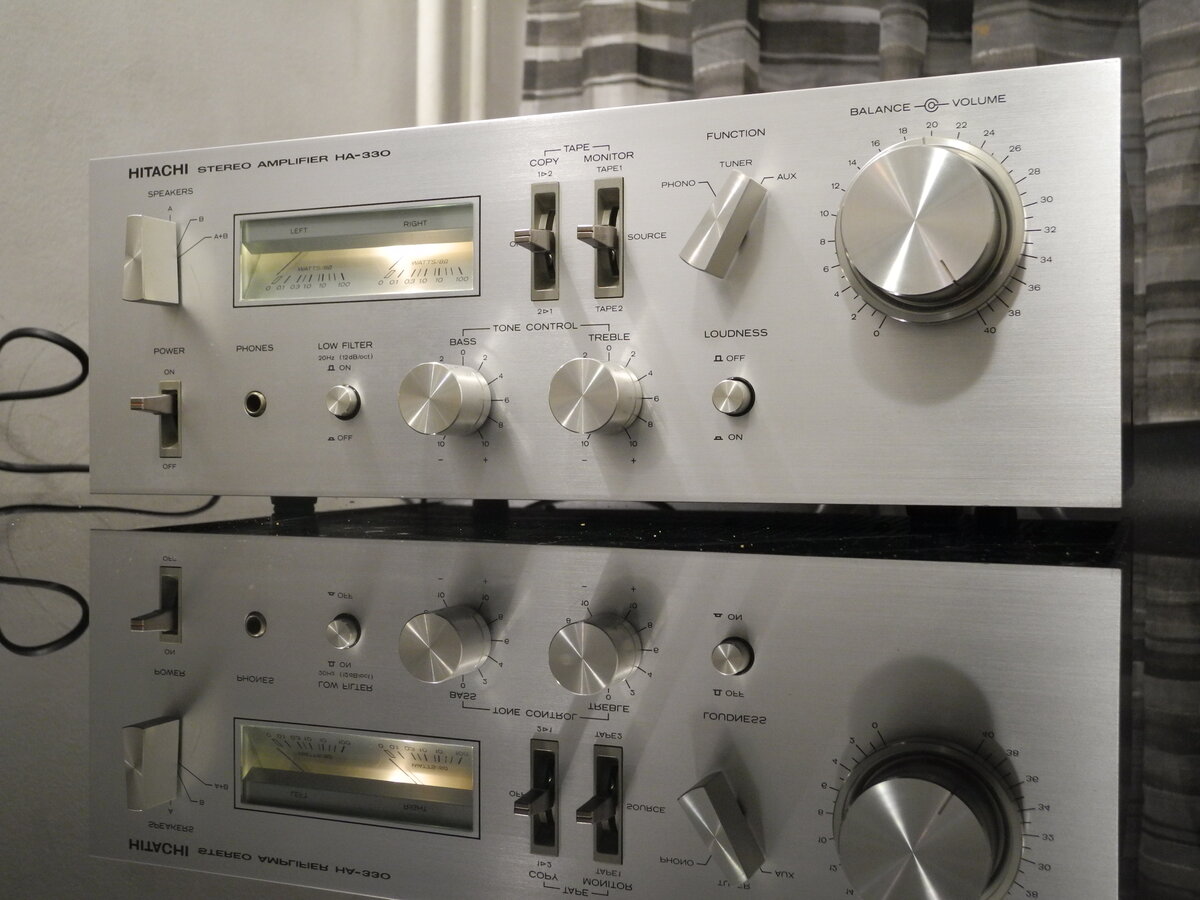
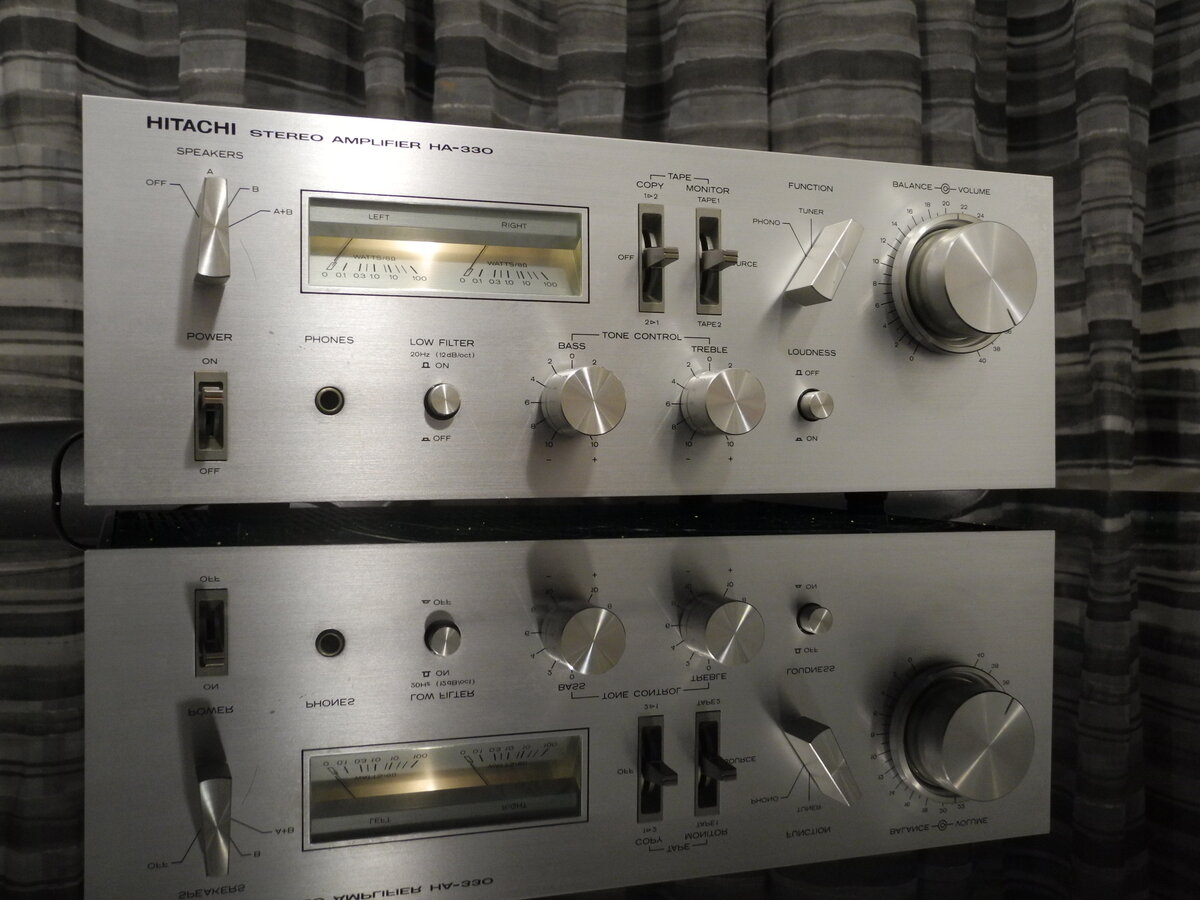
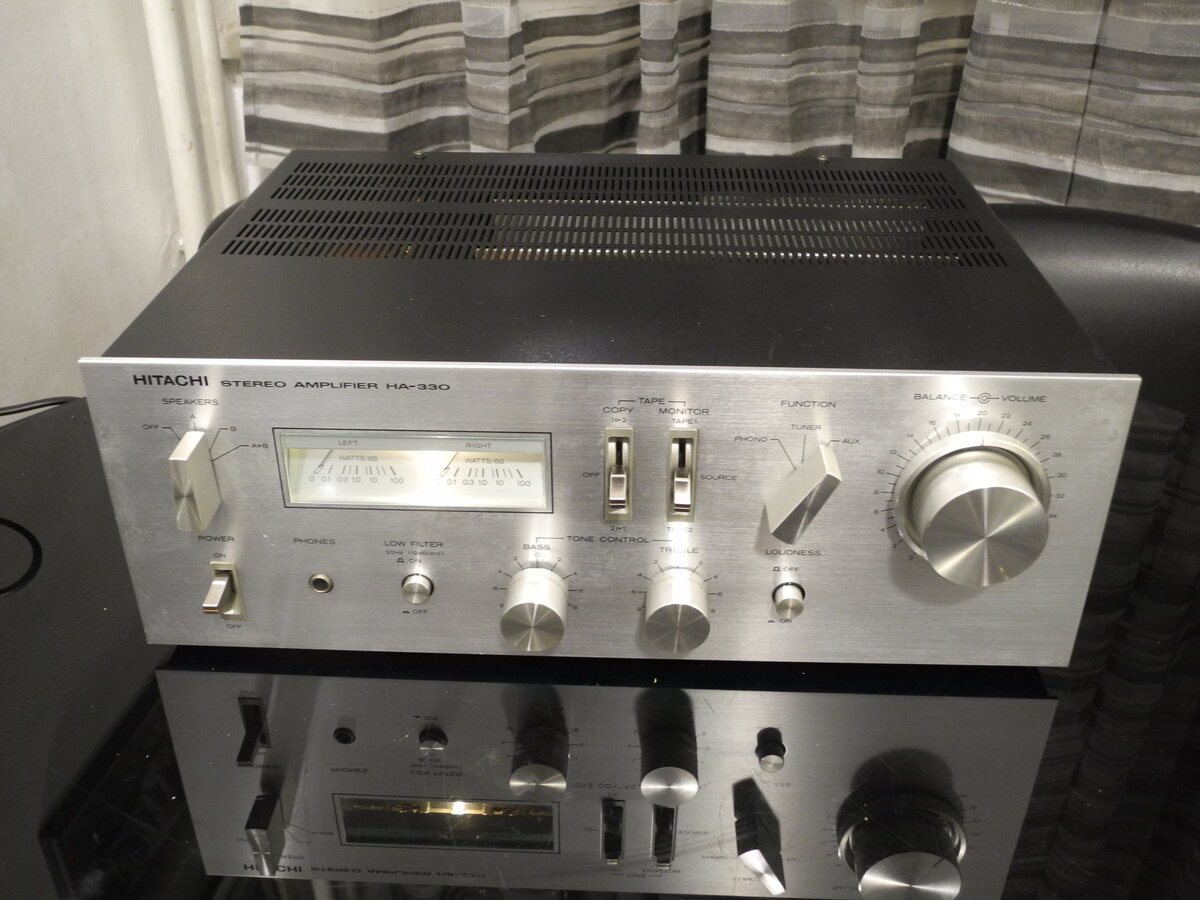
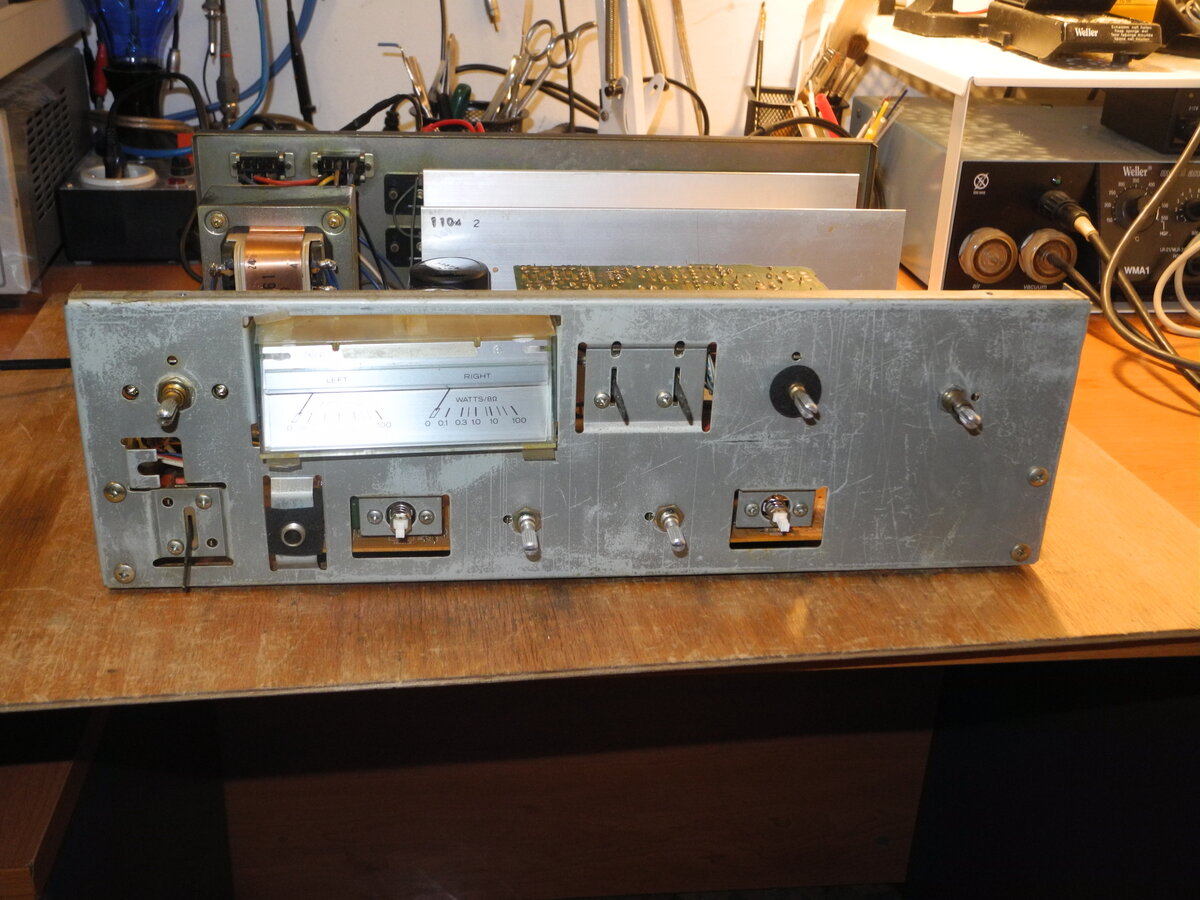
The Hitachi HA-330 is a mid-range integrated stereo amplifier from the late 1970s.
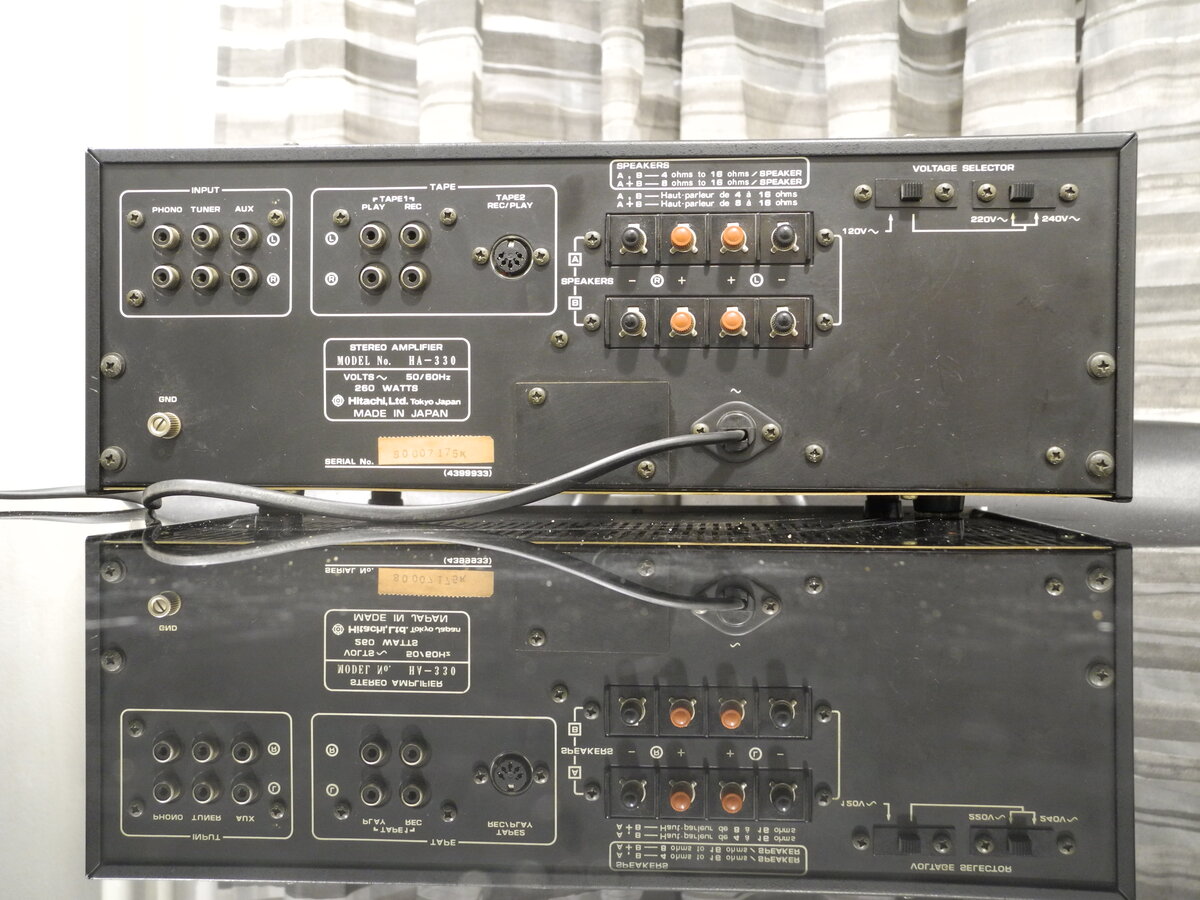
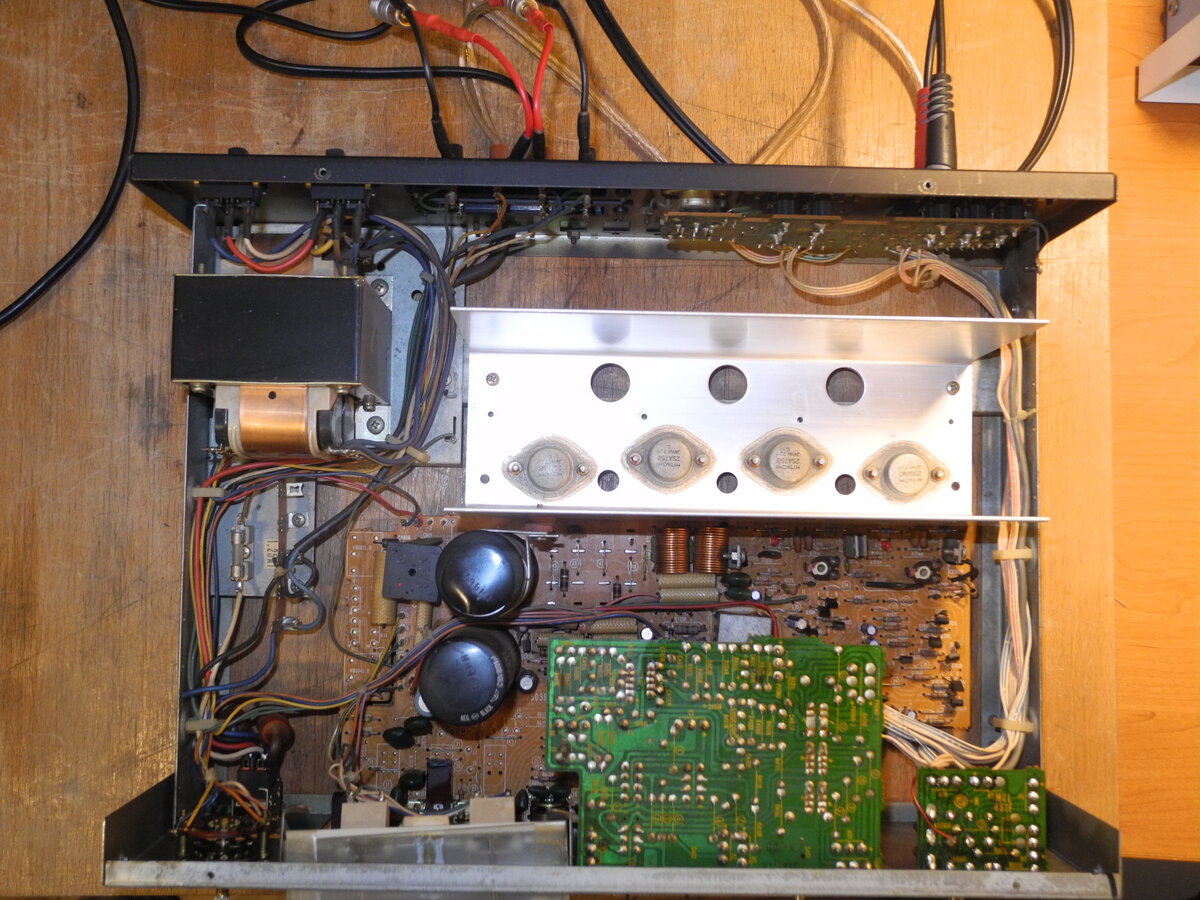
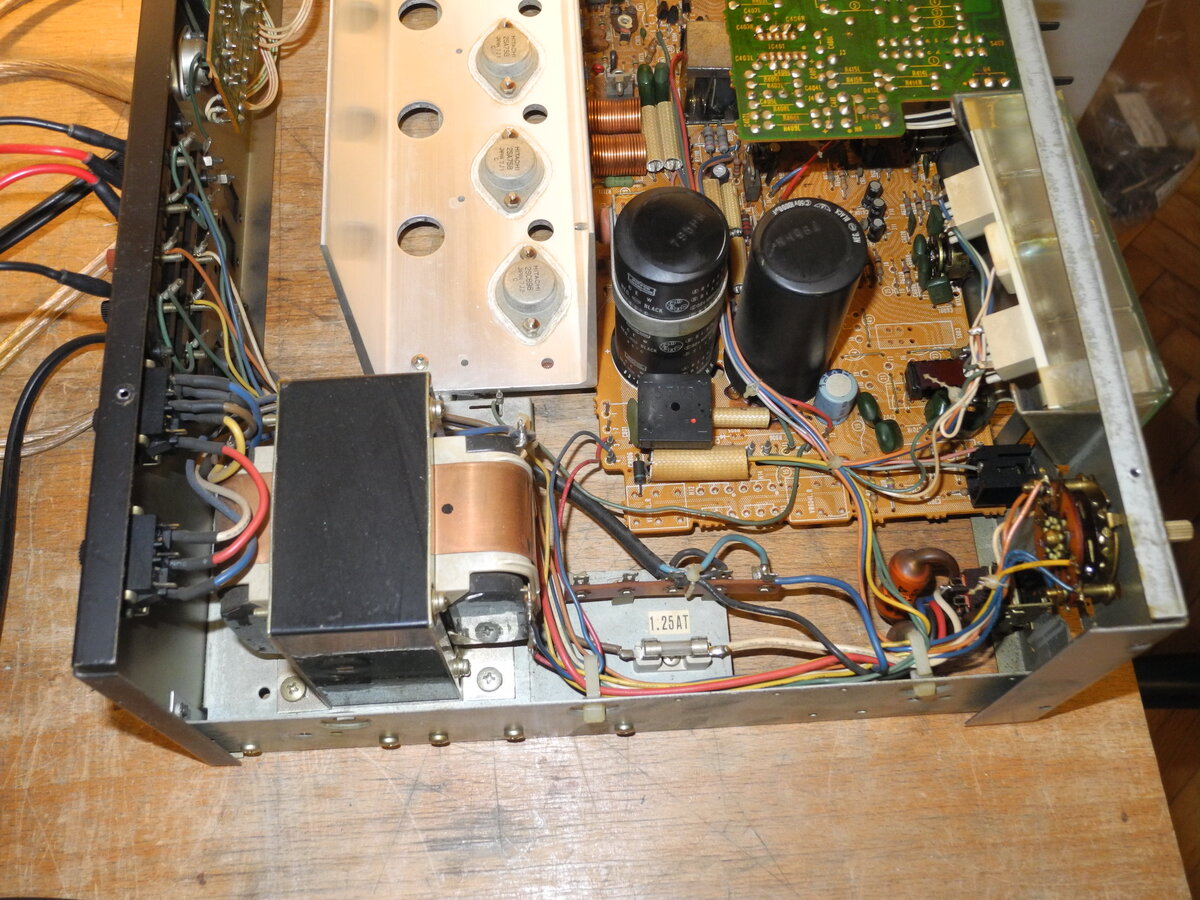
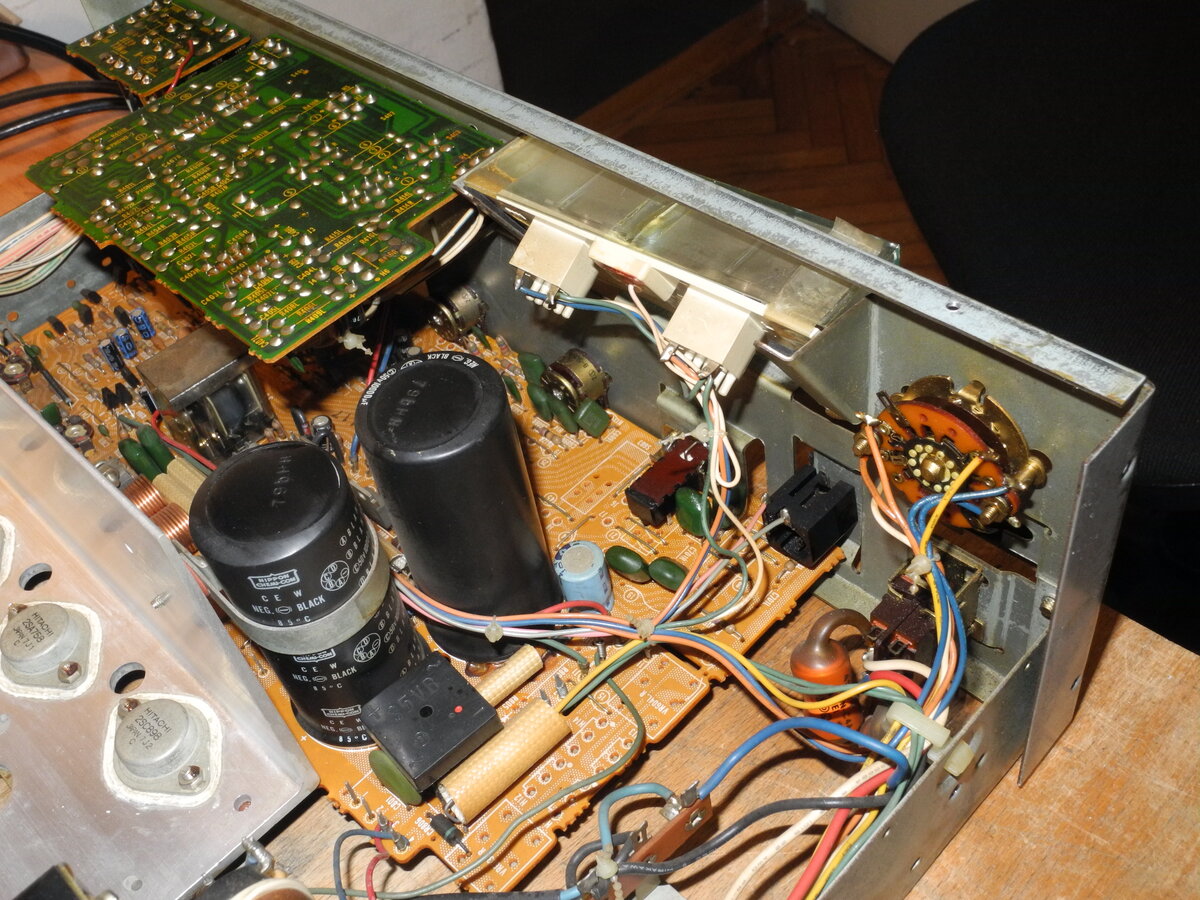
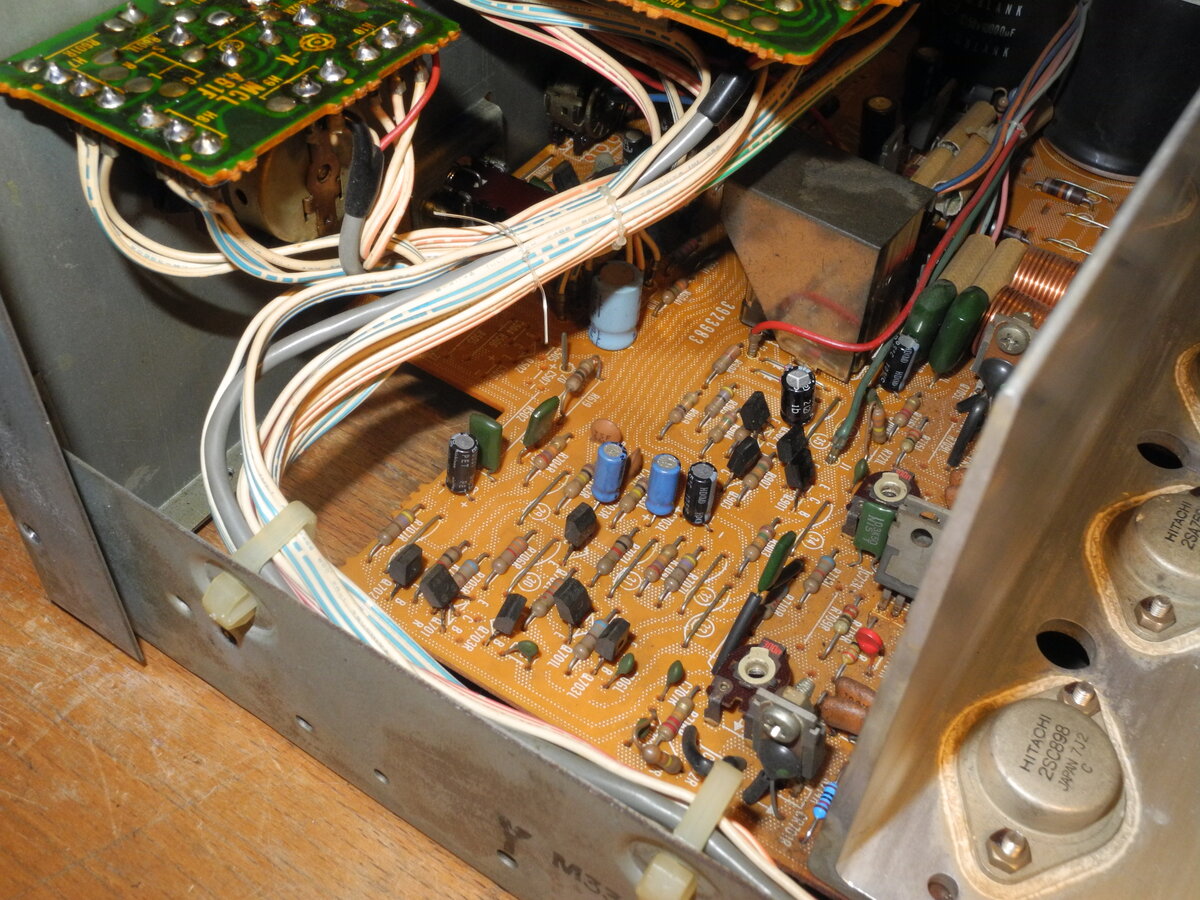
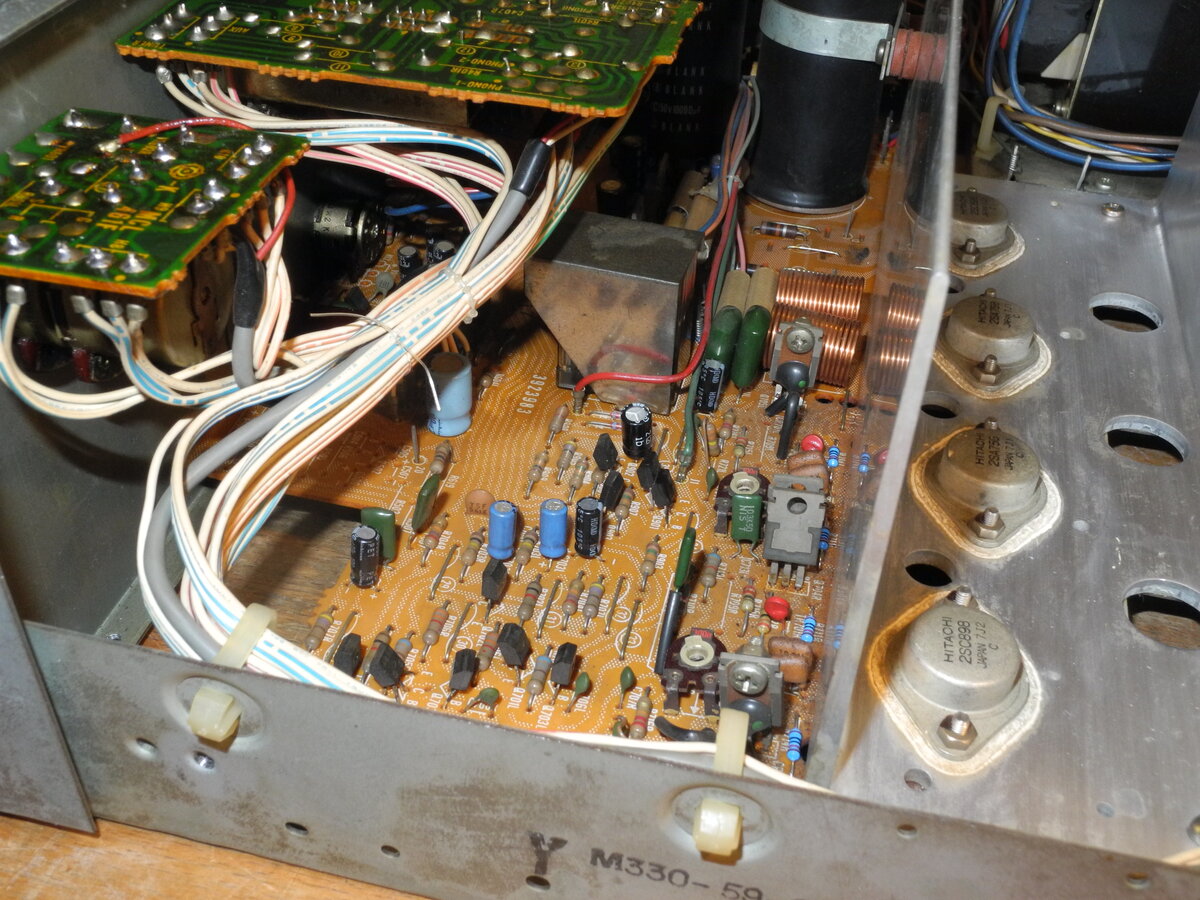
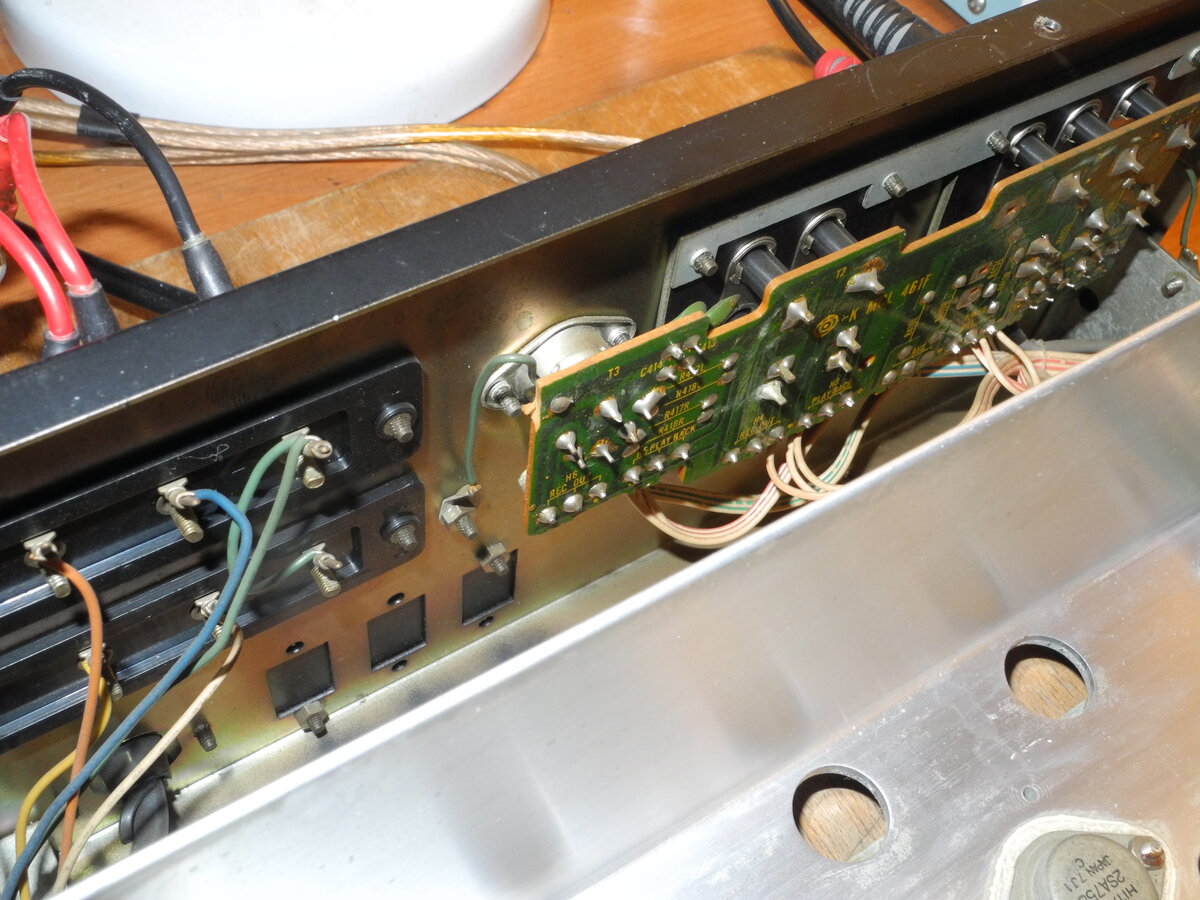
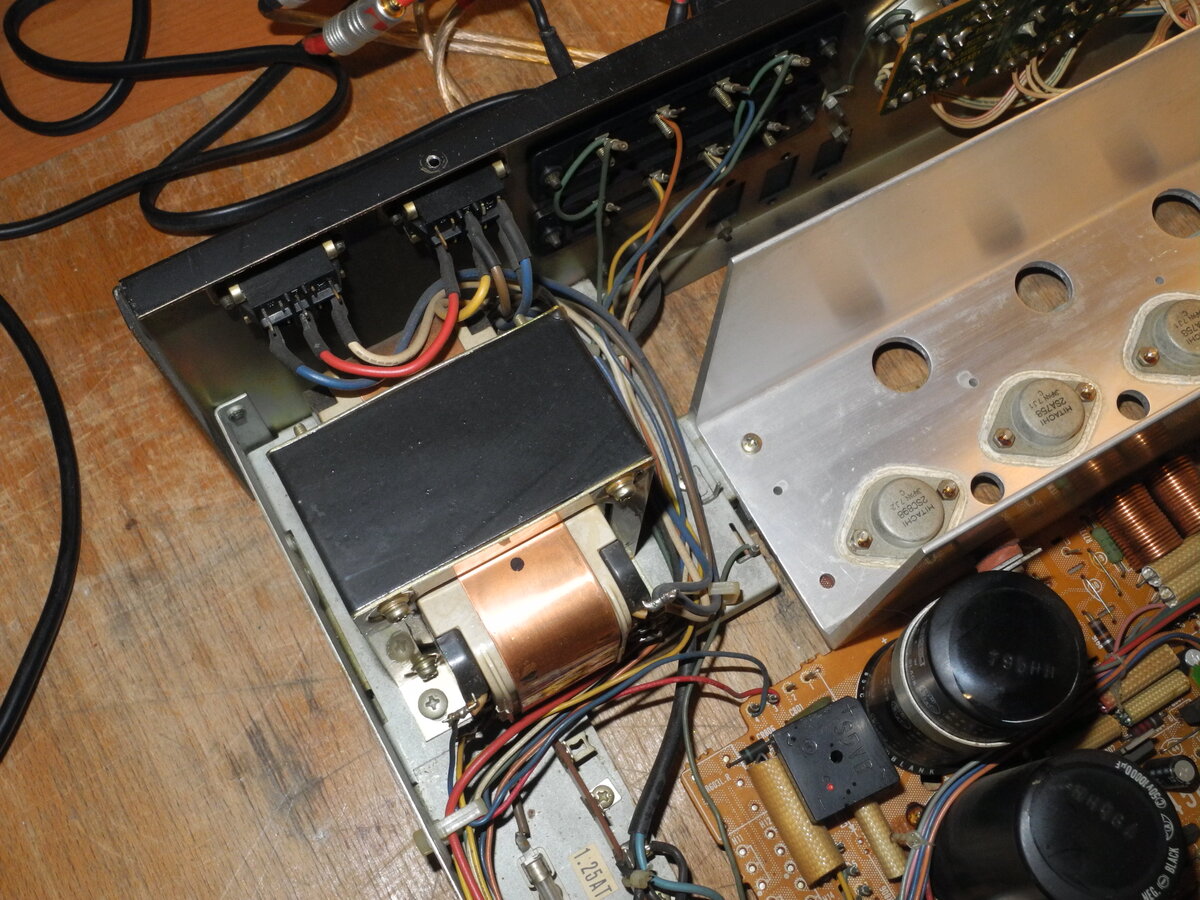
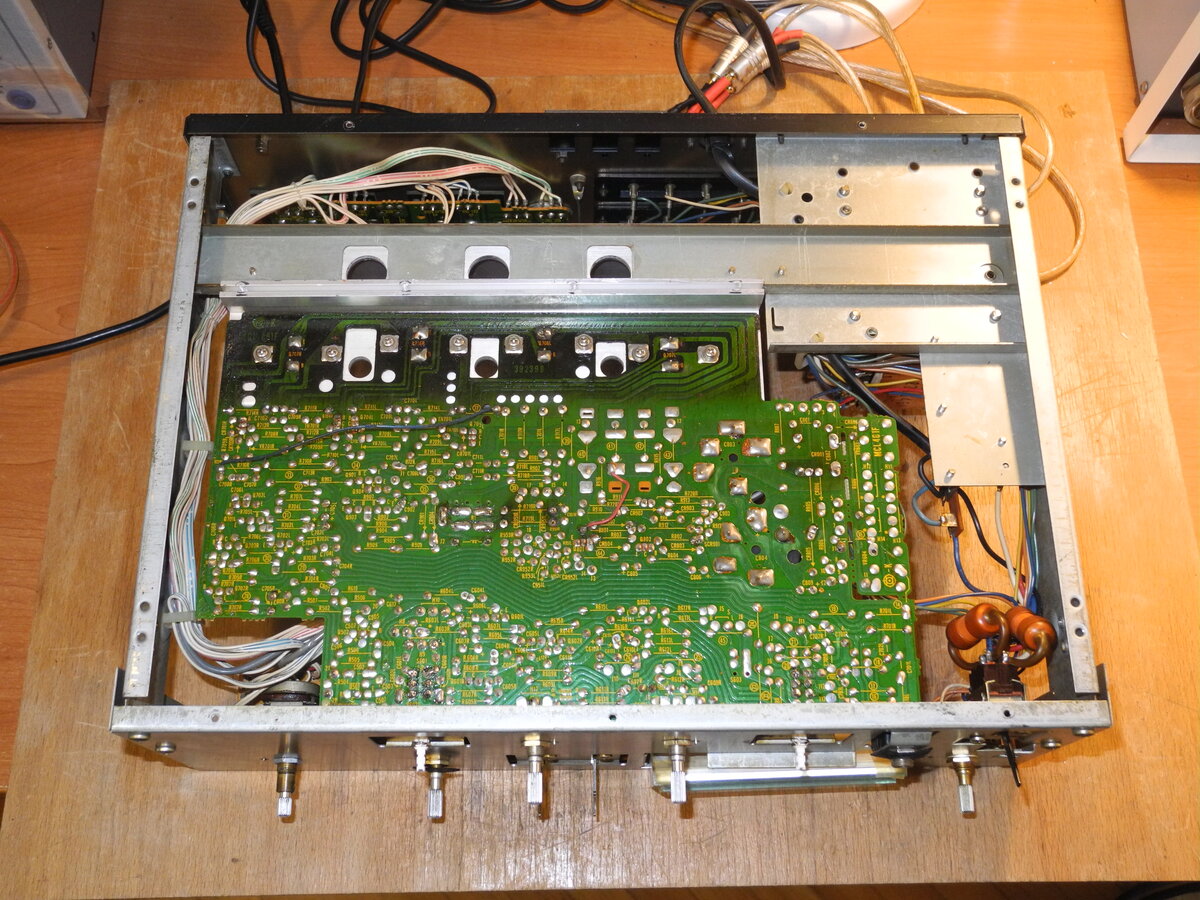
The output stage uses a complementary pair of 2SA758 and 2SC898 transistors in a common-collector configuration. The power supply features two quite large 10000µF filter capacitors for its class, while a relay provides speaker protection. Two pairs of speakers are supported.
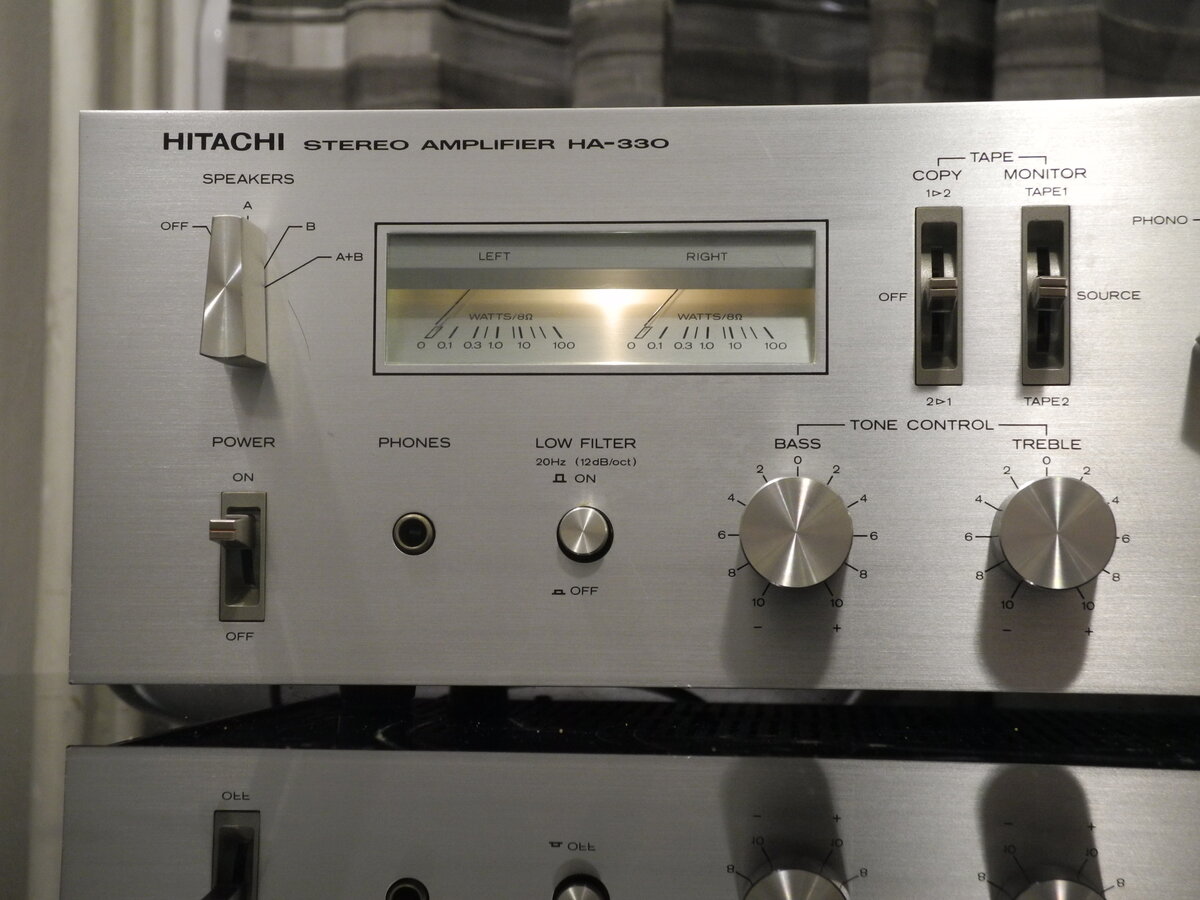
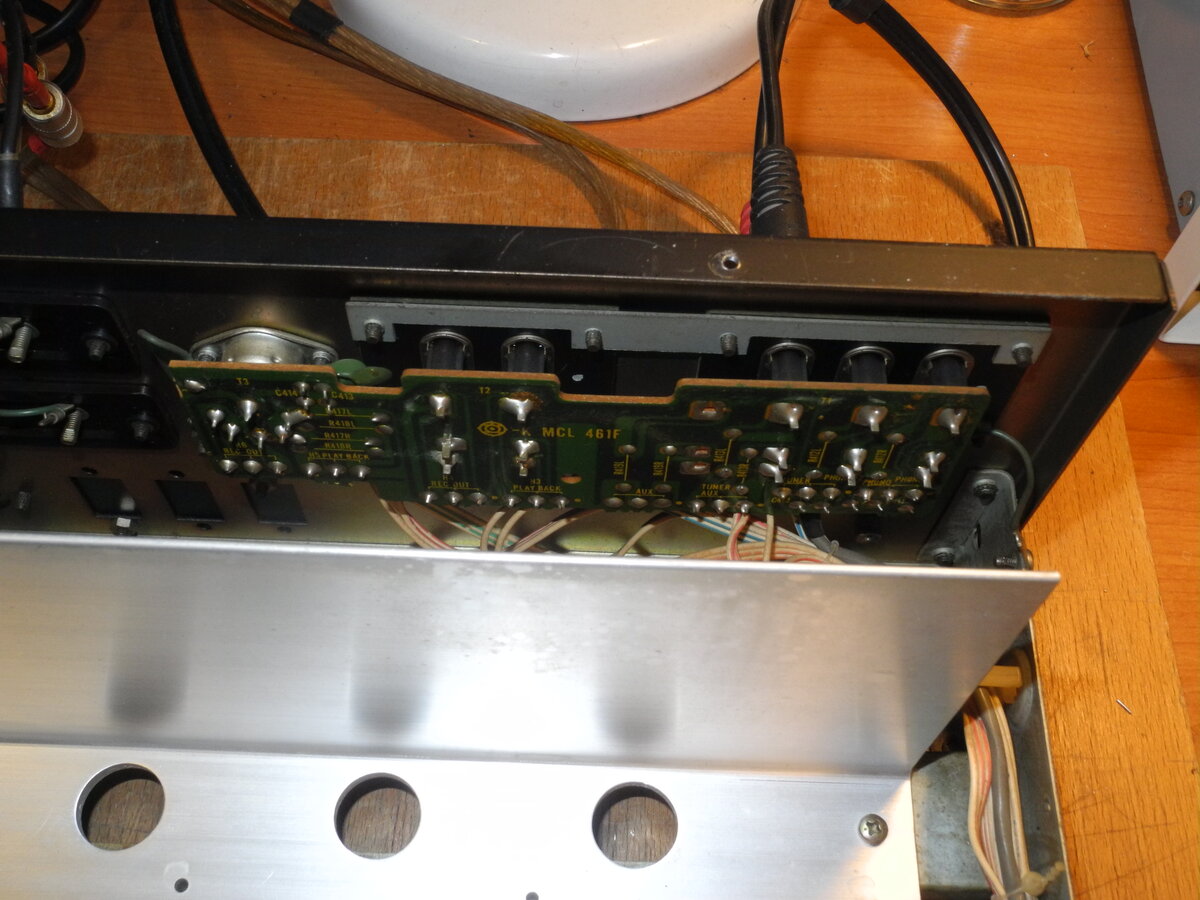
The amplifier has a classic vintage silver face with two VU meters. The balance control is incorporated into the volume control, which is not particularly practical. A Loudness control is provided, along with a Low Filter, typically useful with turntables for removing very low-frequency rumble.
Manufacturer: Hitachi
Status: Active company
Official website: hitachi.com
General Specifications
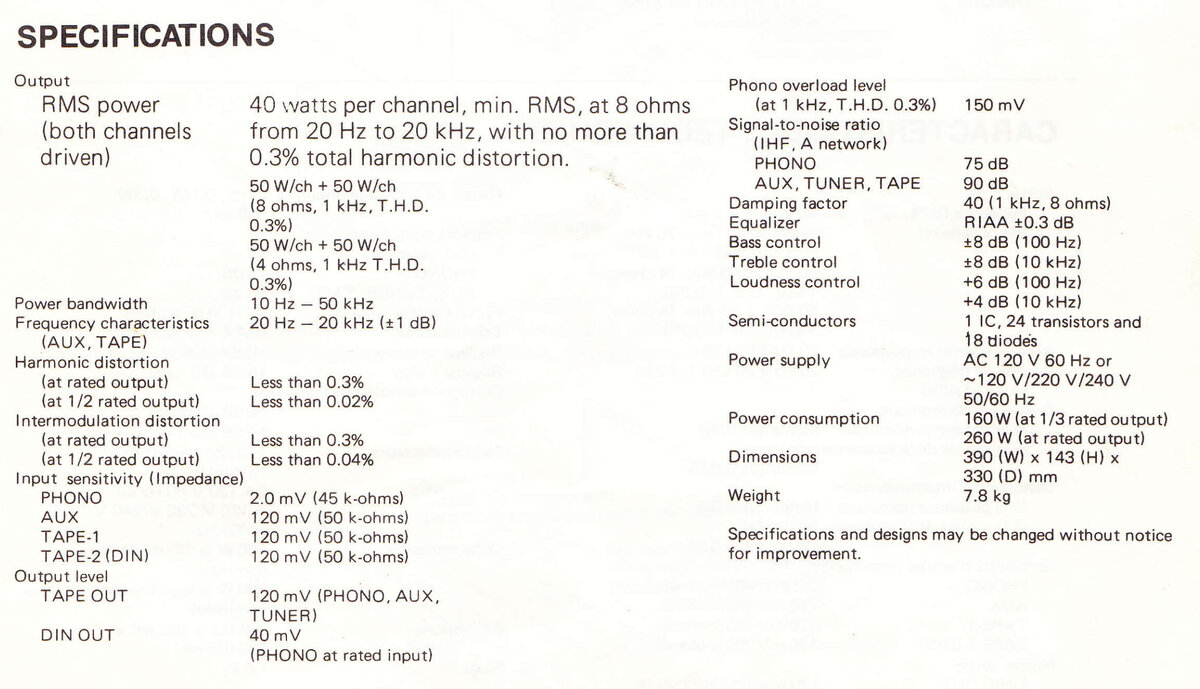
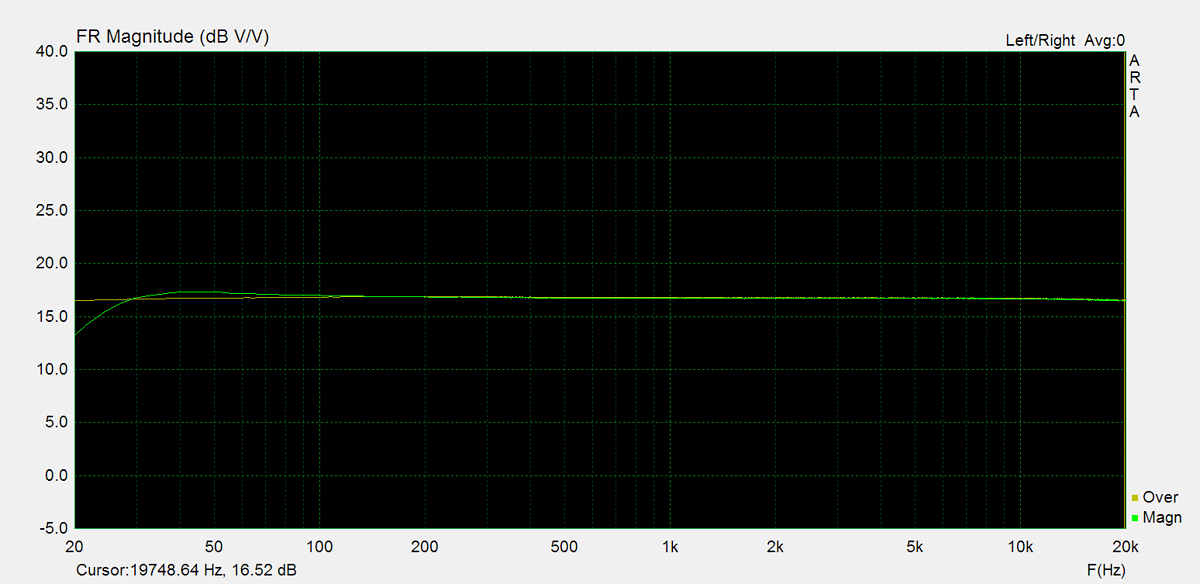
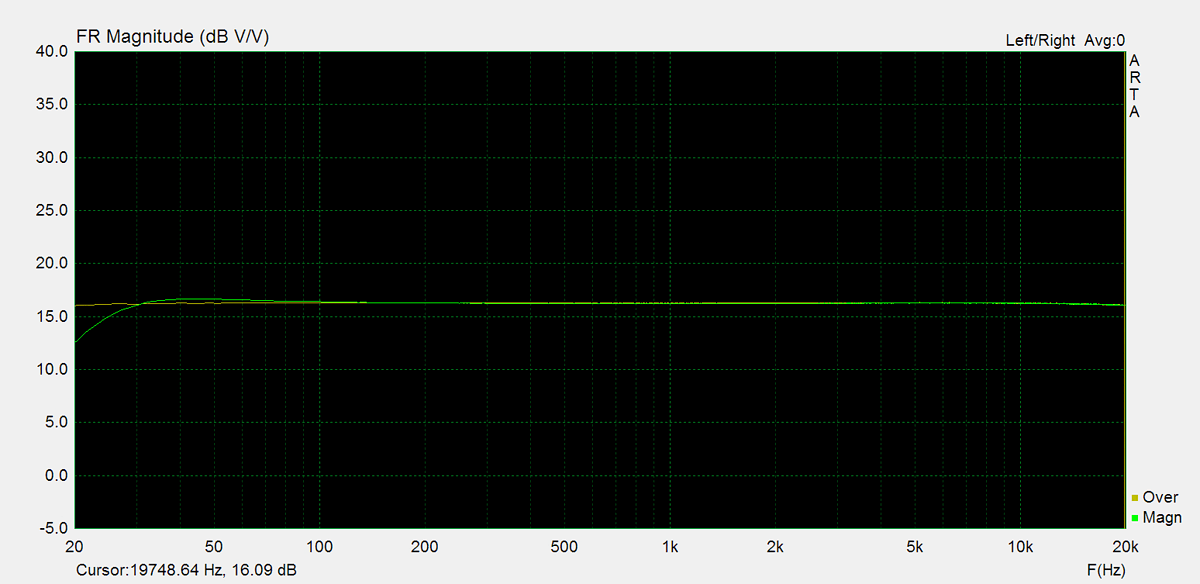
Maximum power (8Ω): 40WFrequency response (±1dB): 20Hz-20kHz
THD (at rated output): 0.3%
IMD (at rated output): 0.3%
Signal to noise ratio (Line): 90dB
Signal to noise ratio (Phono): 75dB
Input sensitivity (Line): 120mV
Input sensitivity (Phono): 2.0mV
Damping factor: 40
Speaker load impedance: 4Ω-16Ω
Dimensions (WHD): 390×143×330mm
Weight: 7.8kg
Produced: 1977-1979
Initial price: £125
Measured Values
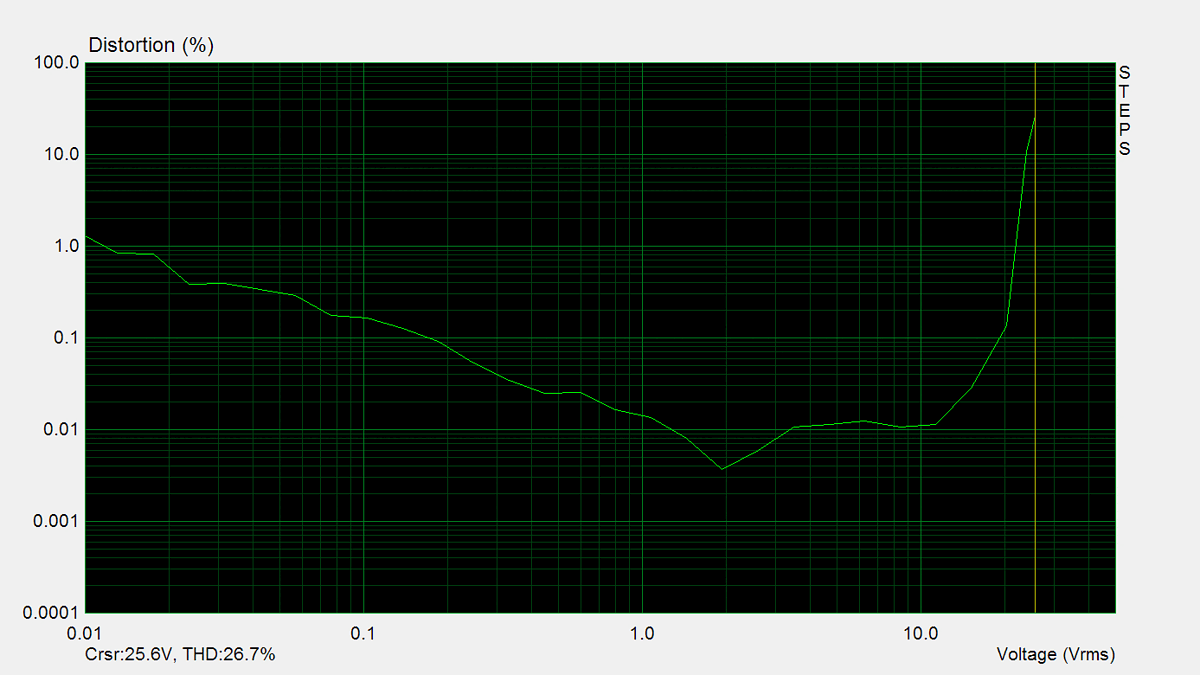
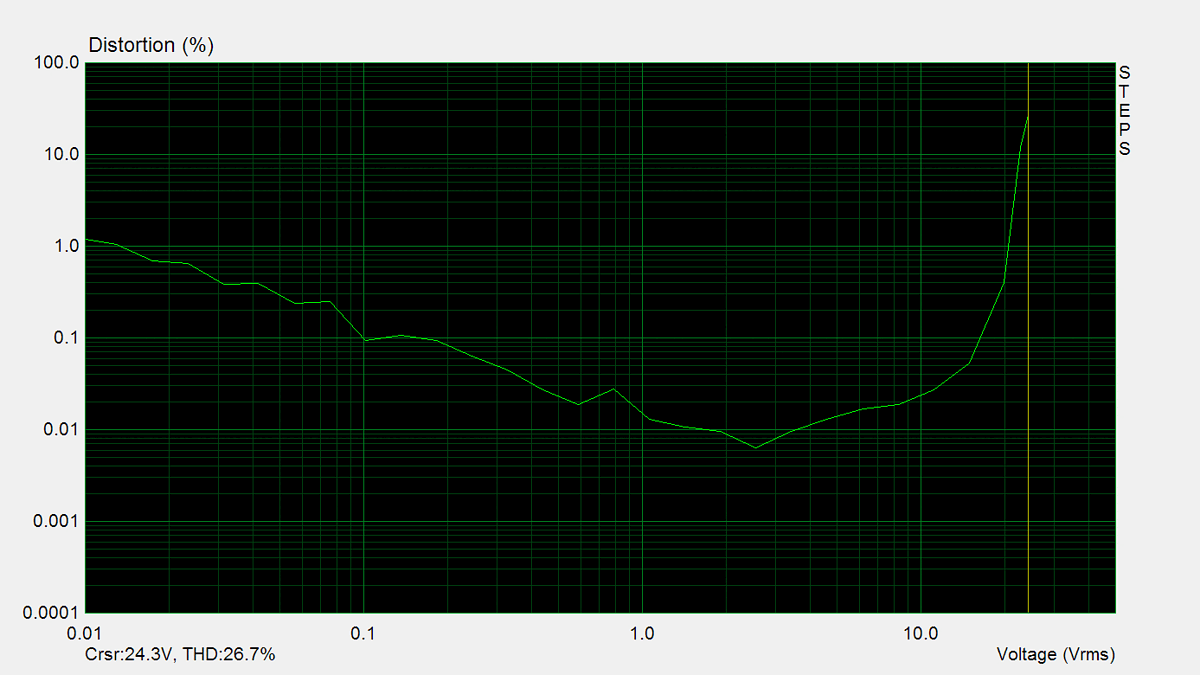
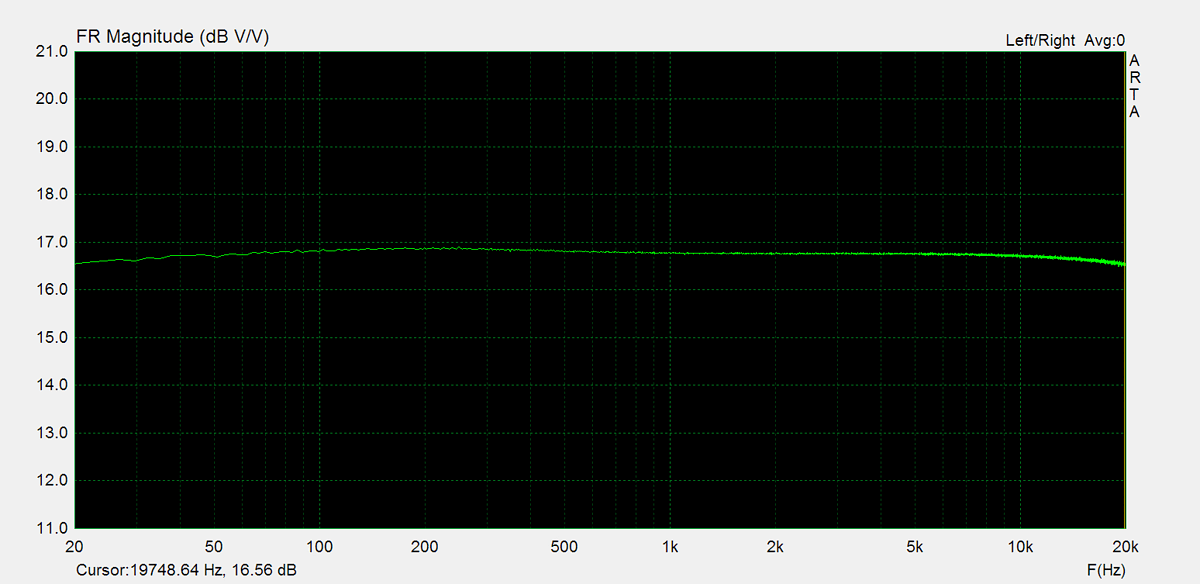
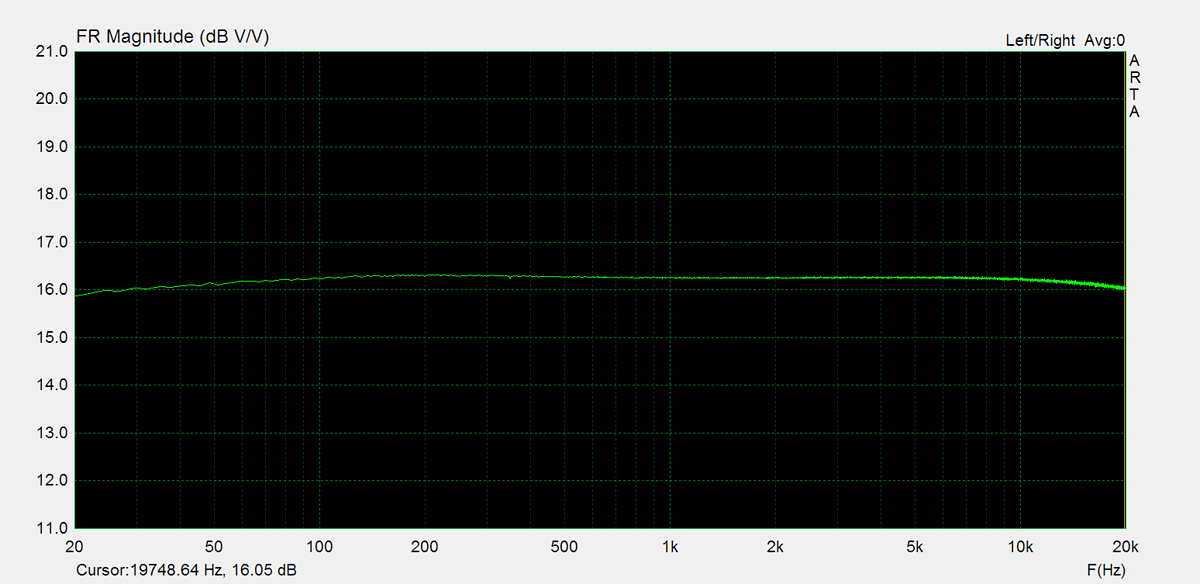
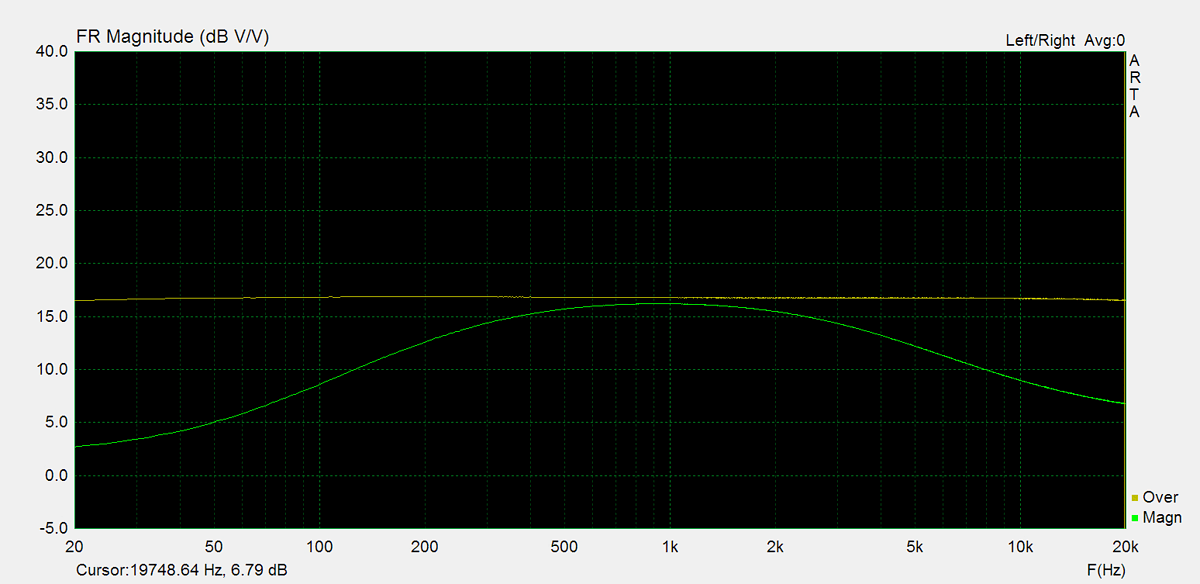
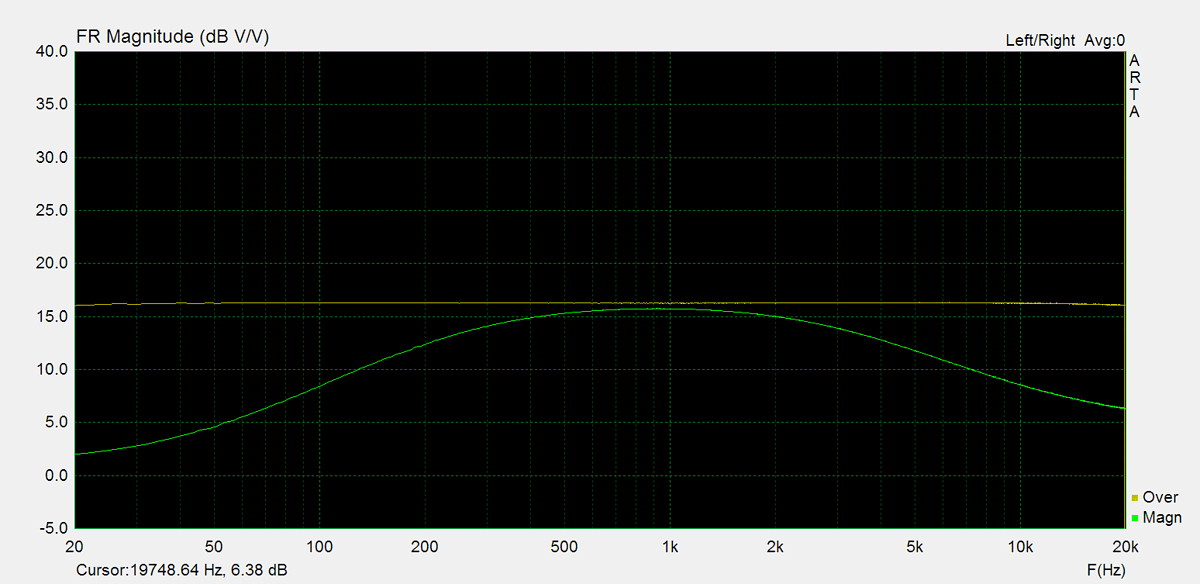
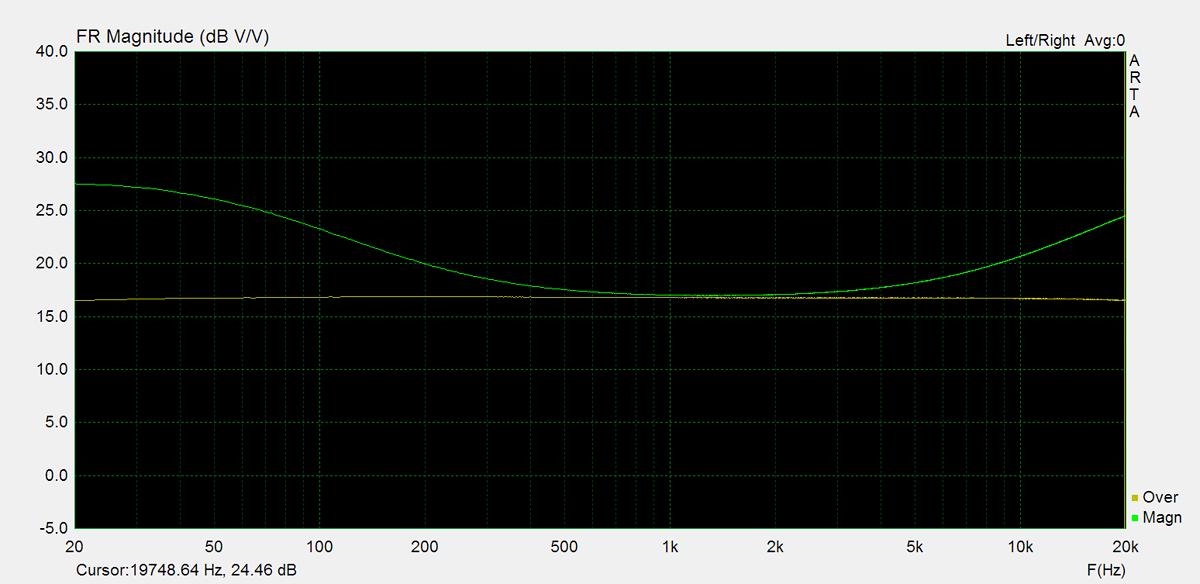
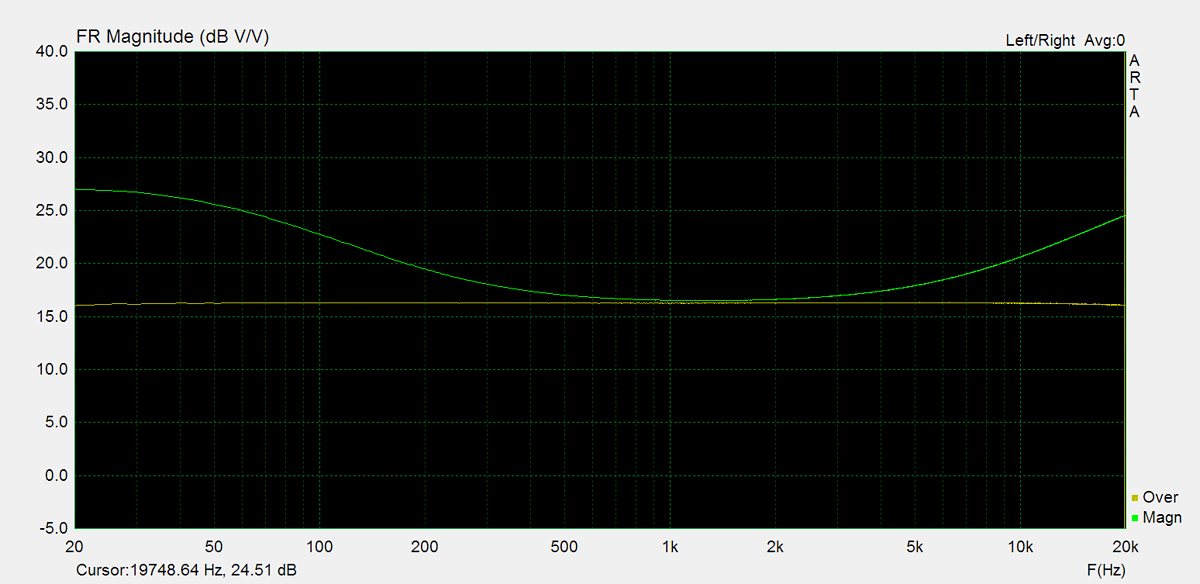
Maximum power (8Ω): 34.4WFrequency response (20Hz-20kHz): <0.5dB
Channel imbalance: <0.8dB
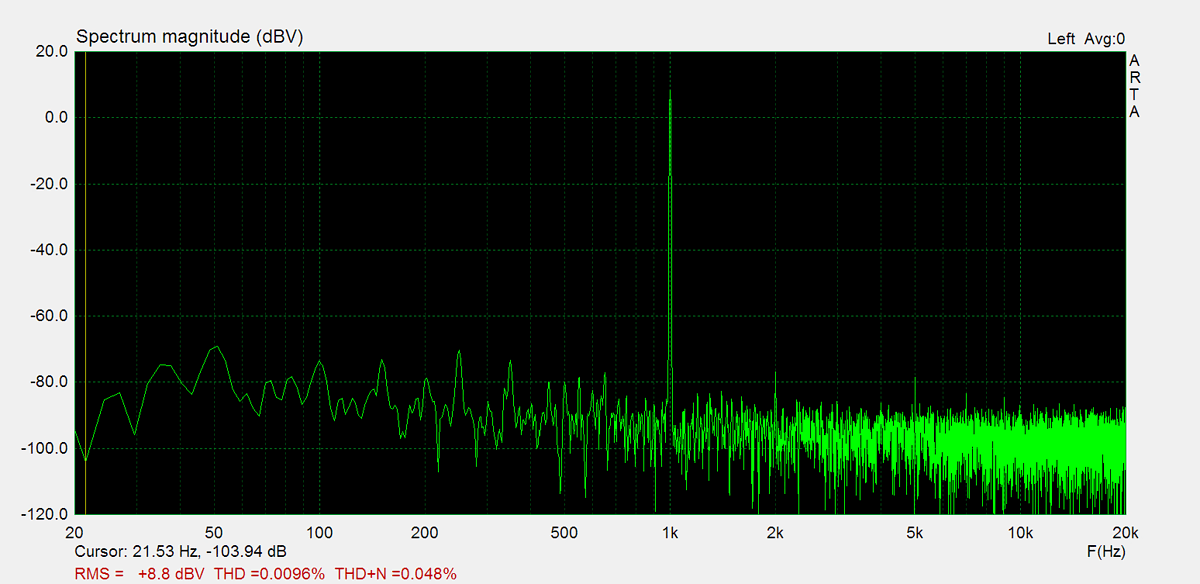
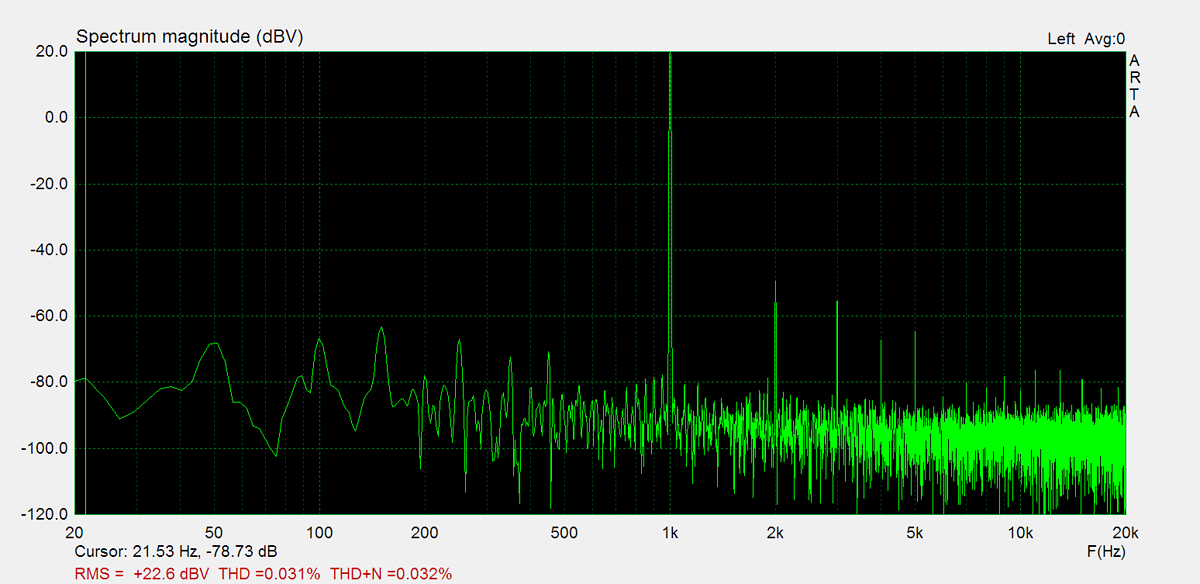
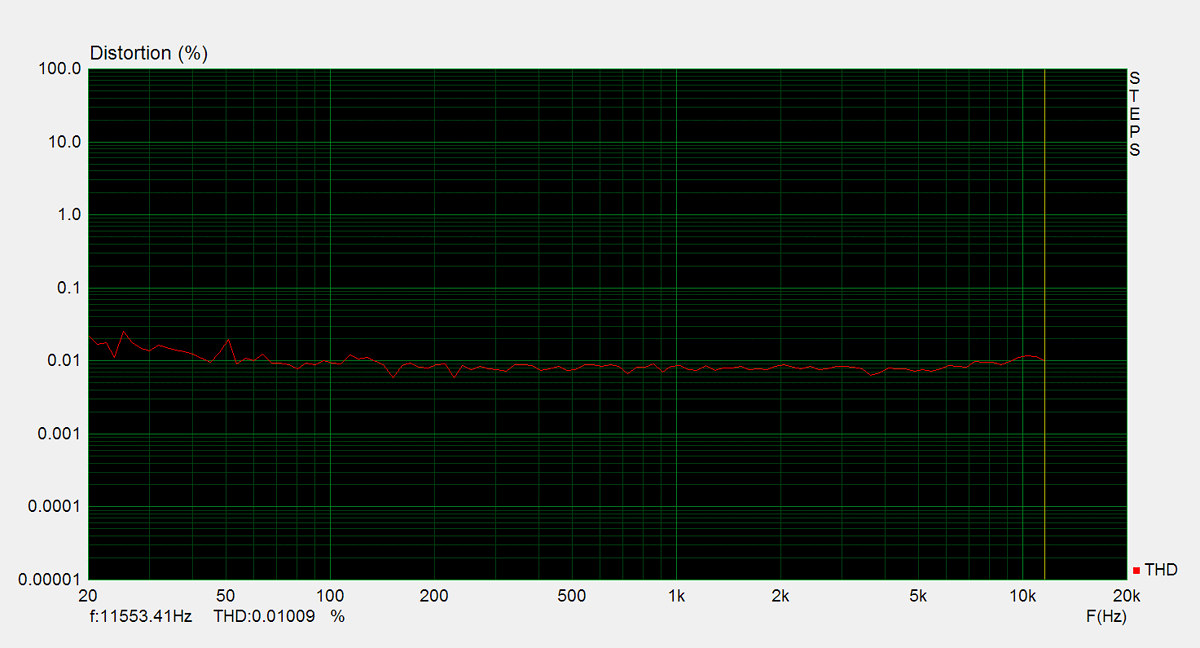
THD (1kHz, 1W): 0.014%
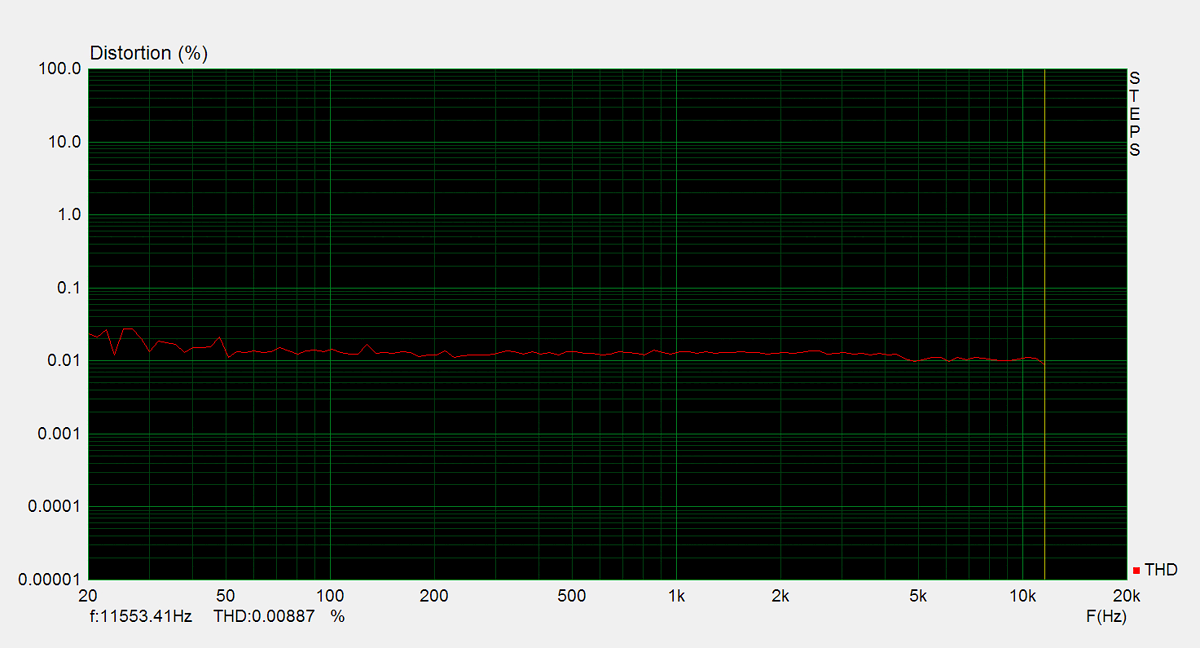
THD+N (1kHz, 1W): 0.048%
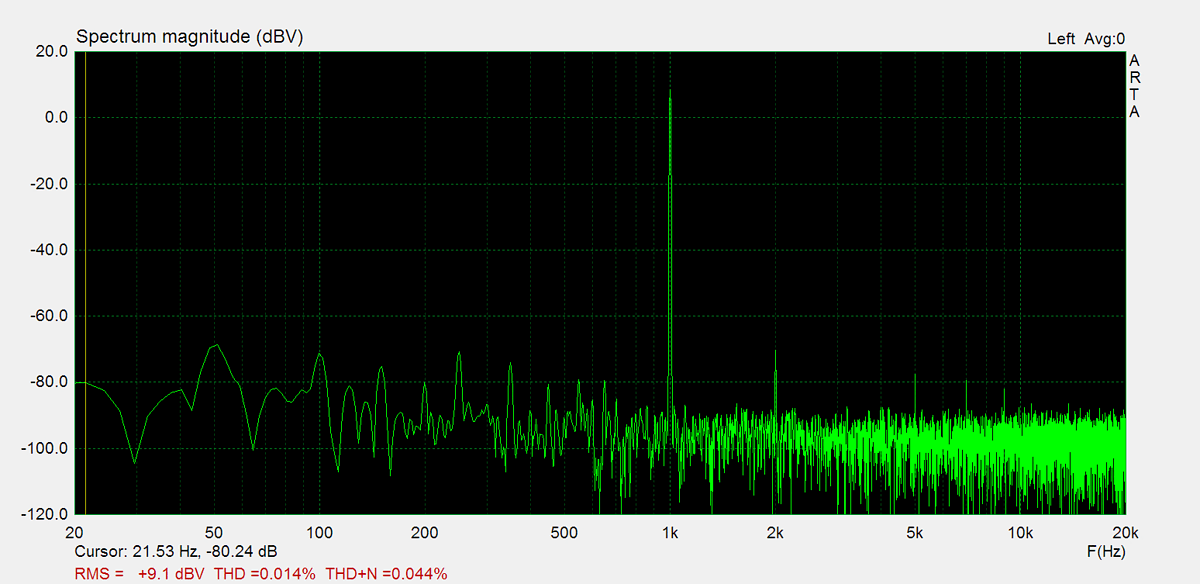
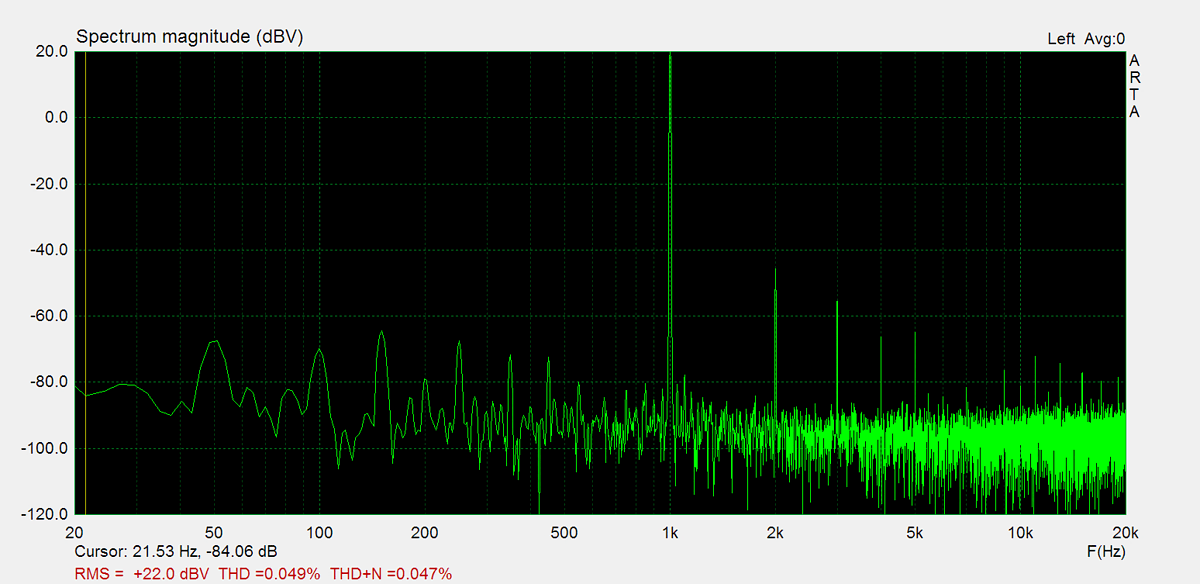
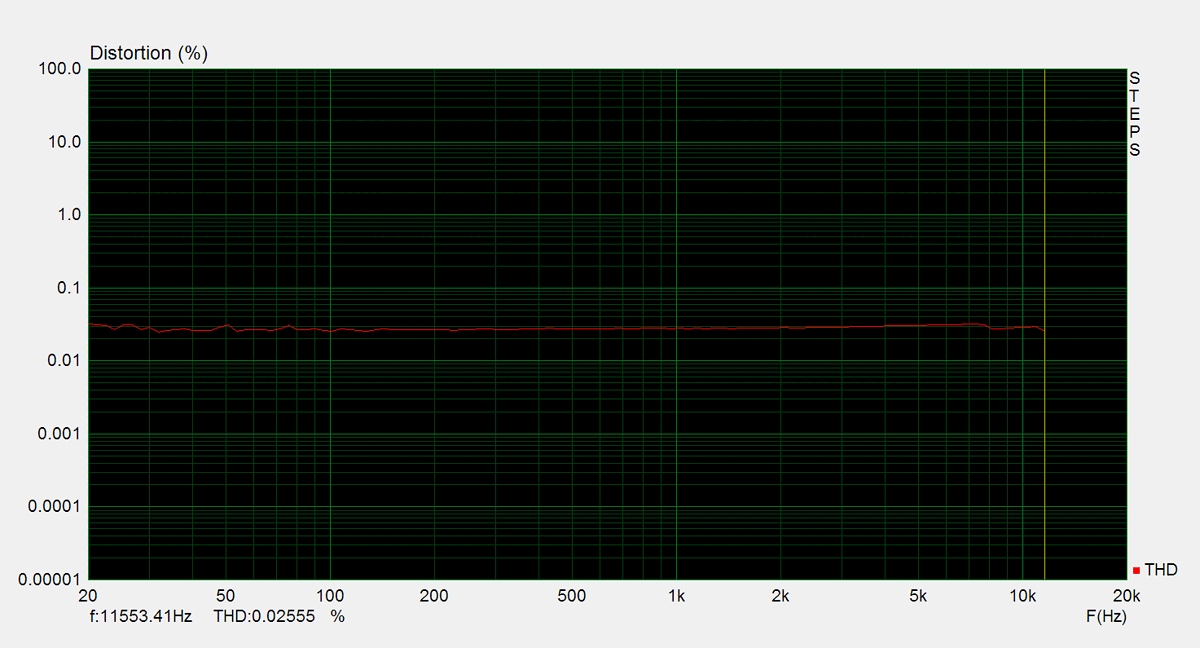
THD (1kHz, 20W): 0.049%
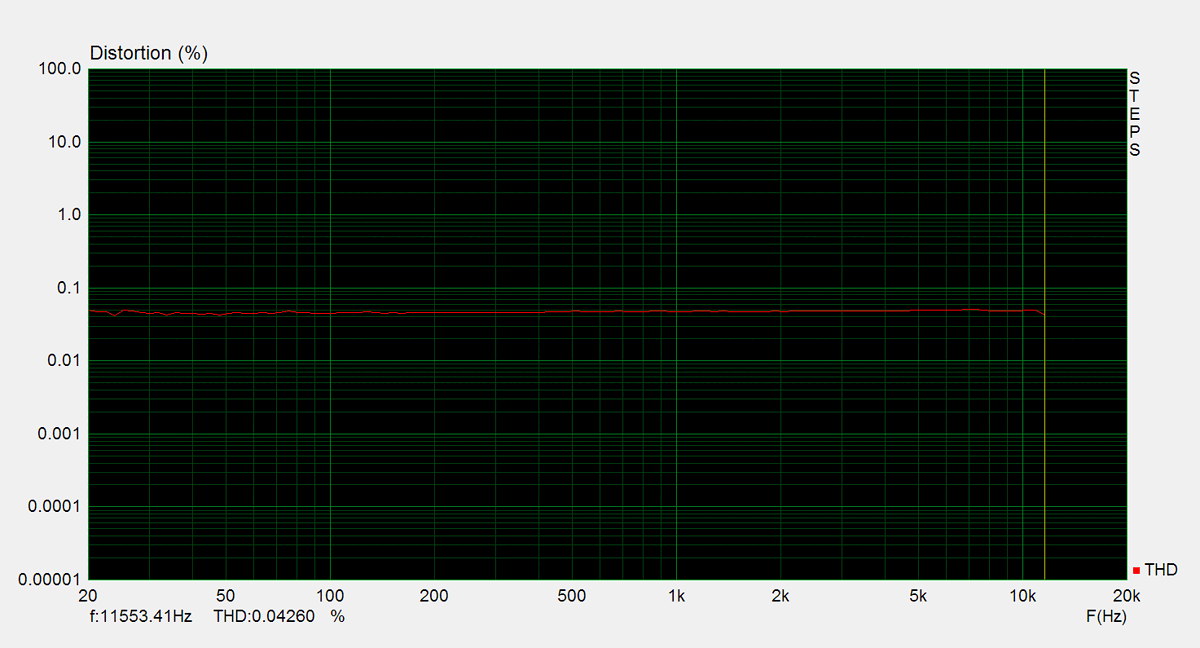
THD+N (1kHz, 20W): 0.047%
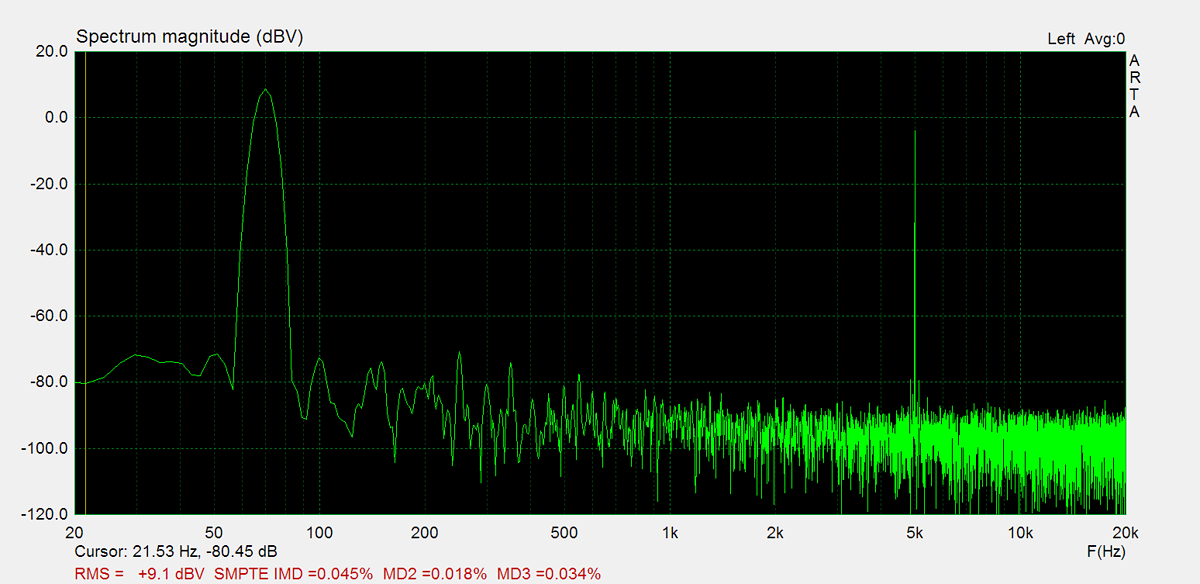
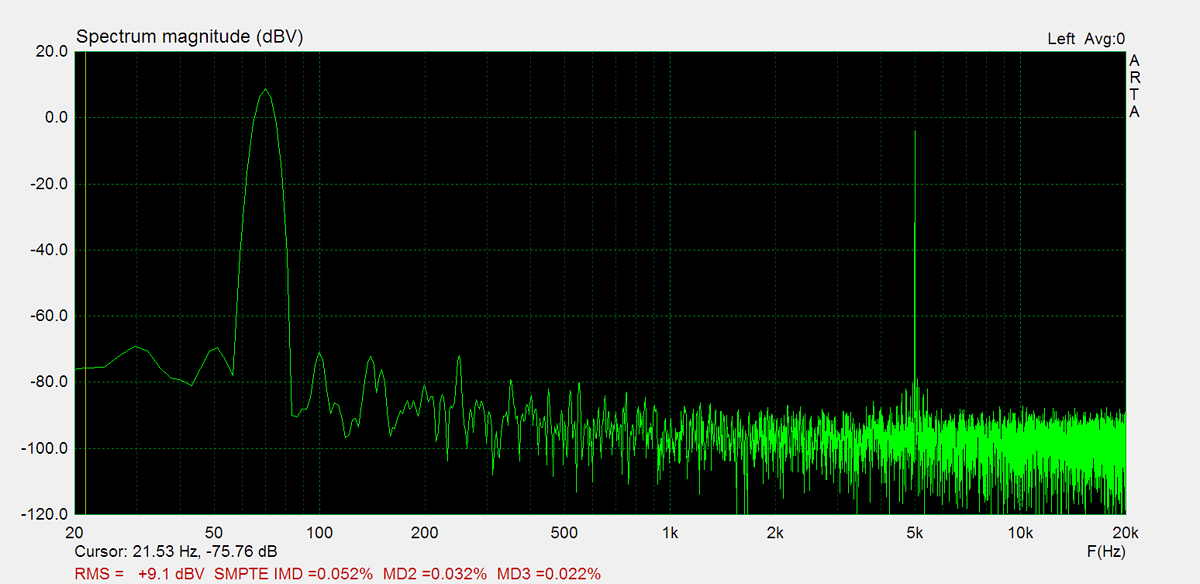
IMD (70Hz, 5kHz, 1W): 0.052%
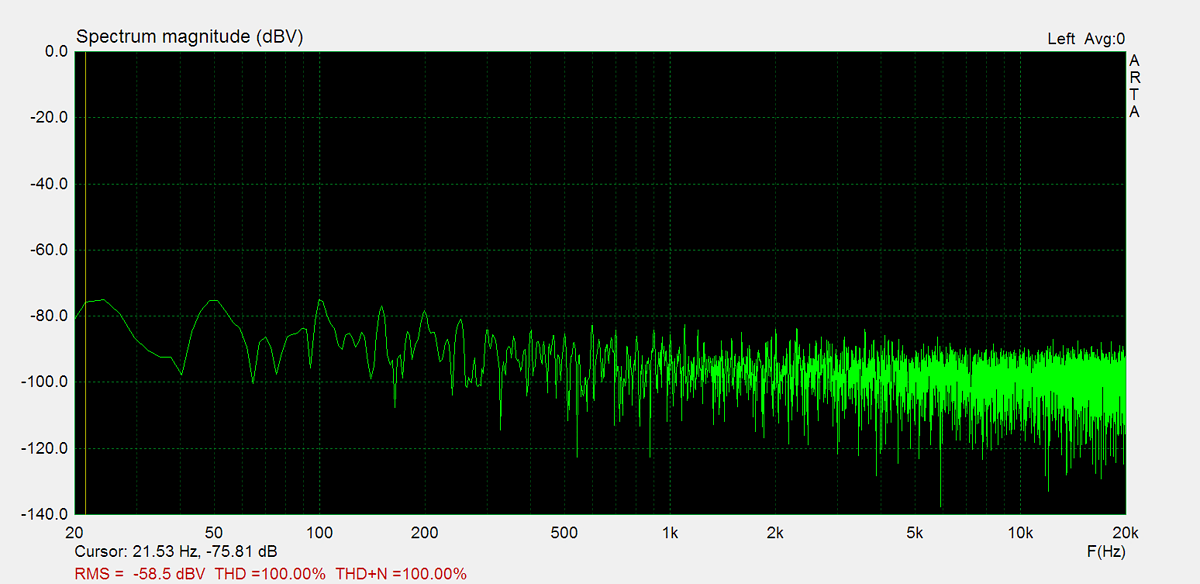
Noise: -58.5dB
Amplification: 163.3
DC offset L: 145mV
DC offset R: 92mV
Factory Specification Sheet
Factory specification images are sourced directly from the device's original service manual or user manual. These documents are produced by the manufacturer and provide authoritative information on the product's specifications.
Maximum Power
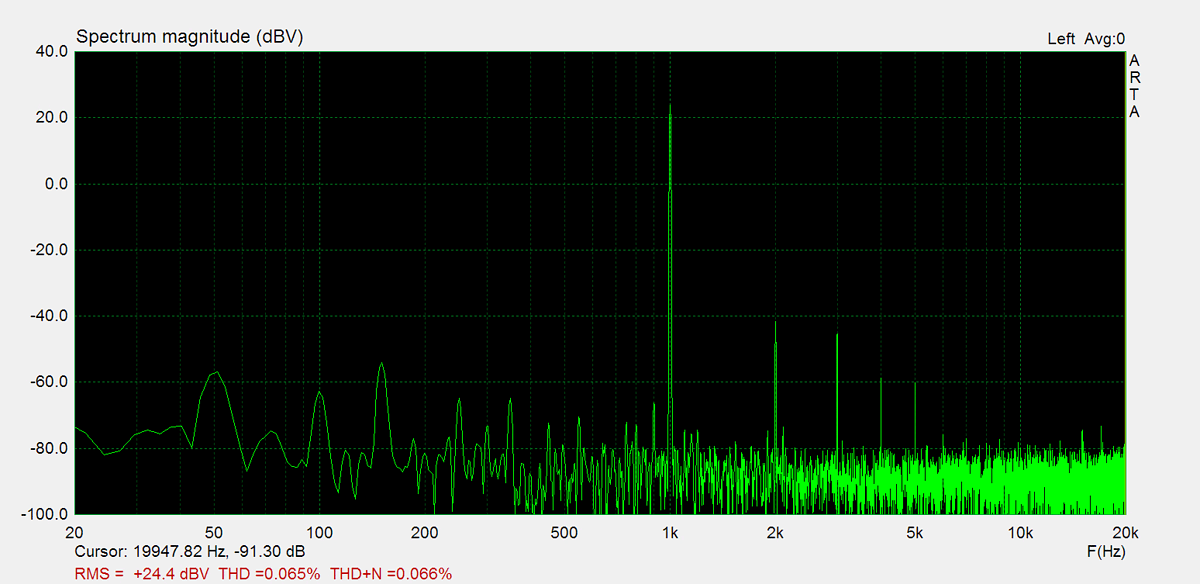
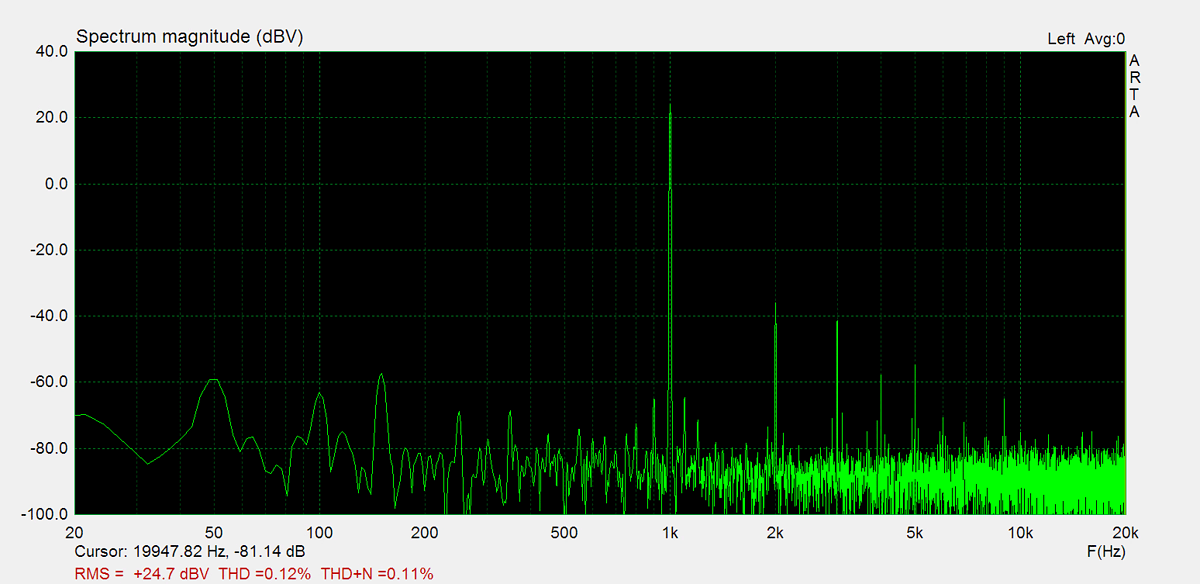
Maximum power is measured using 8Ω resistors on both channels. A 1kHz sine wave input signal is applied and gradually increased until higher harmonics rise significantly. Typically, this is the point at which output clipping occurs.
Frequency Response
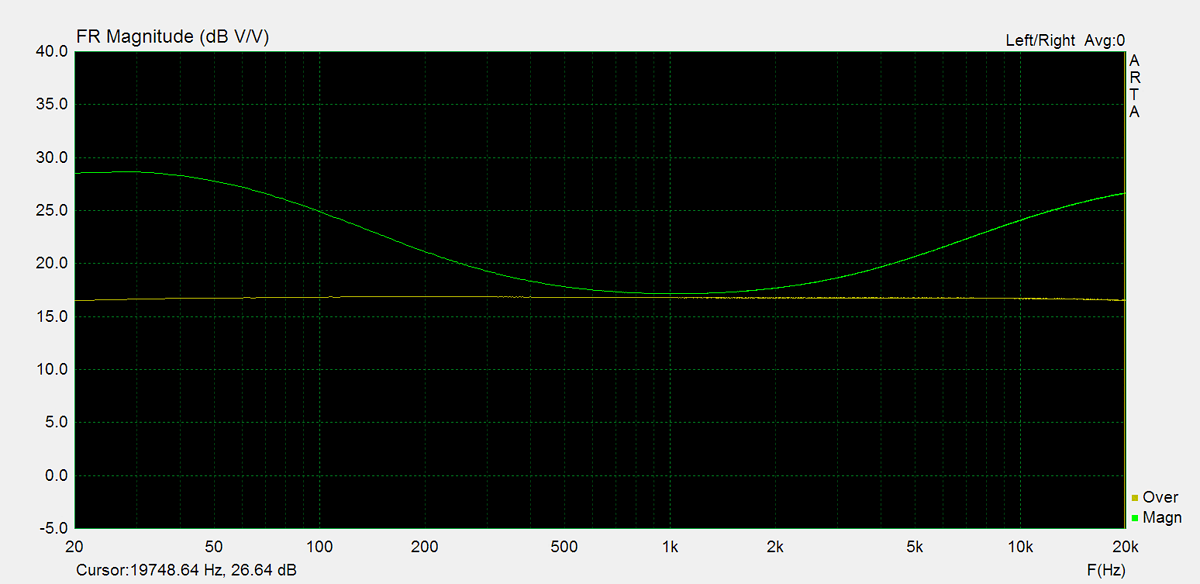
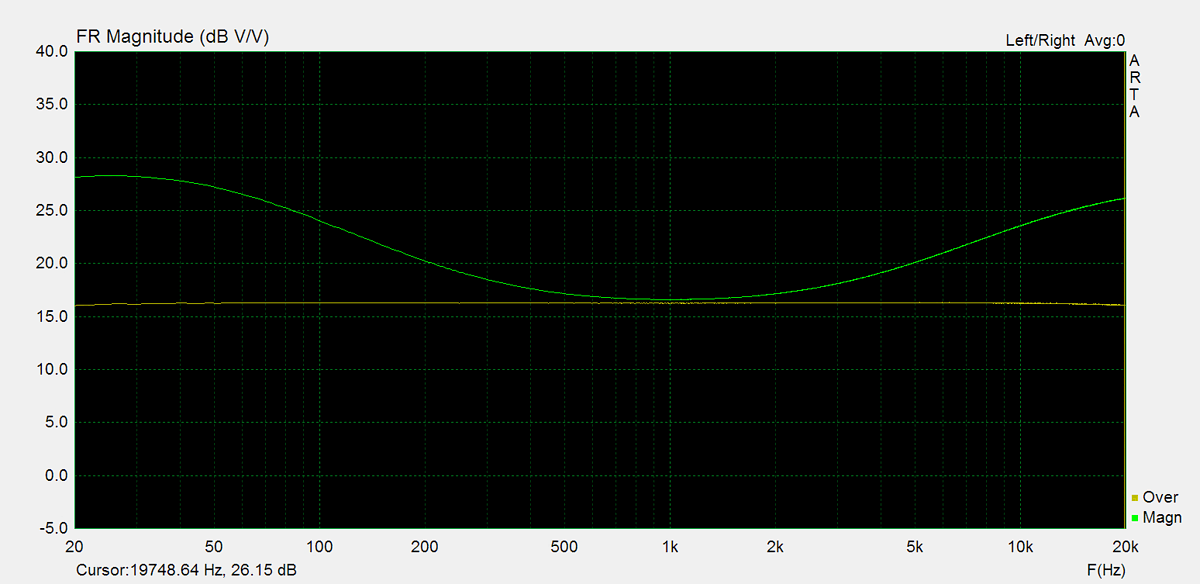
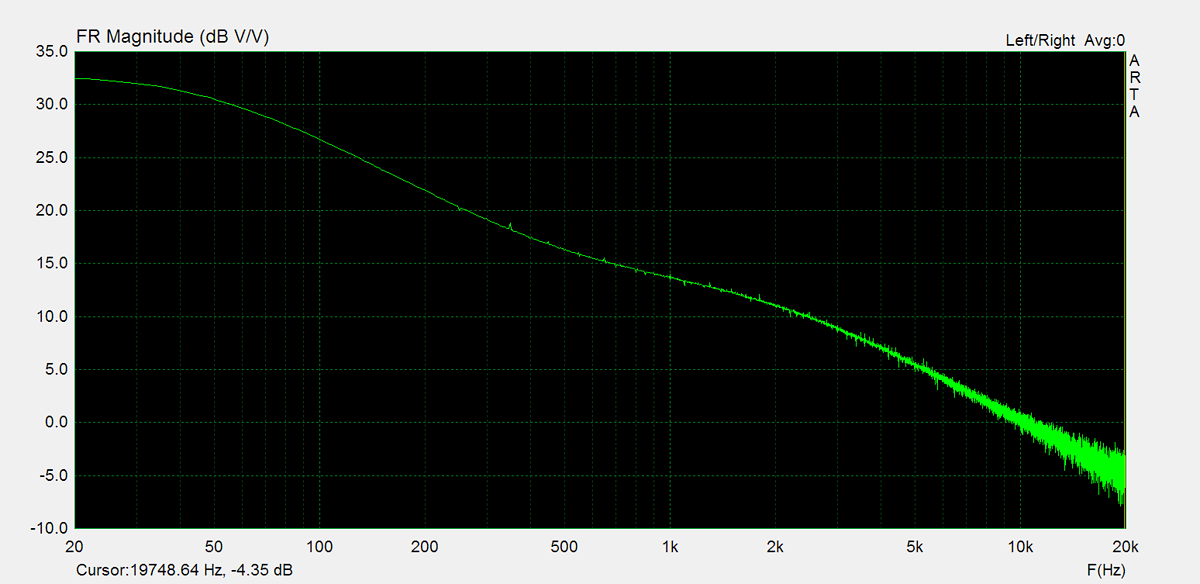
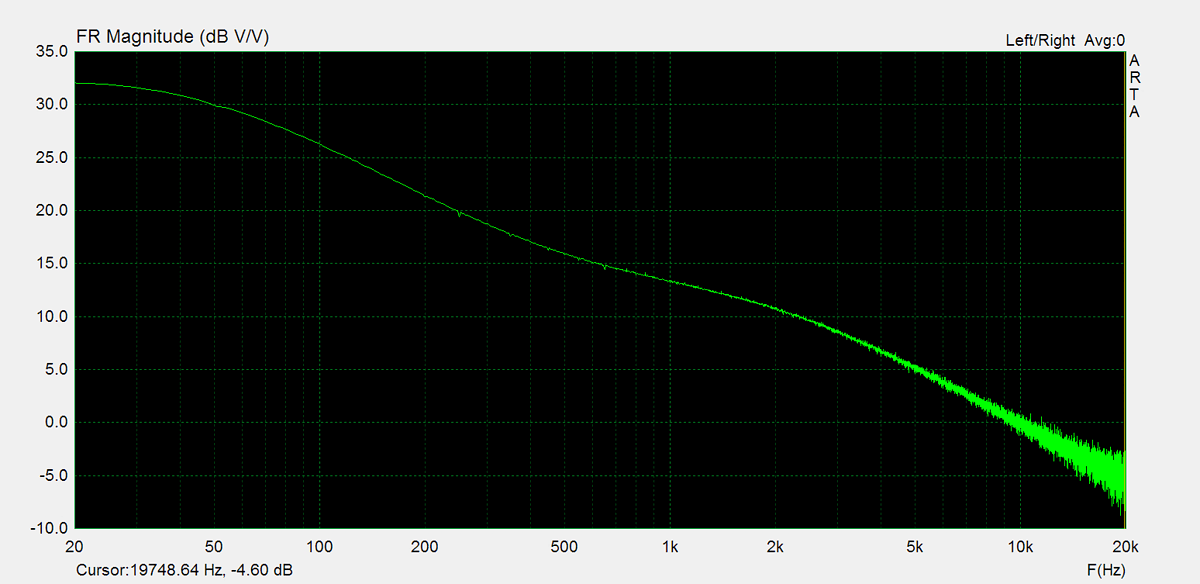
Frequency response is measured using several equalizer settings. 'Flat' indicates the tone controls are either turned off or set to their neutral position. 'Max' and 'Min' refer to the maximum and minimum tone control positions, respectively. In the phono section, the expected response follows the RIAA equalization curve.
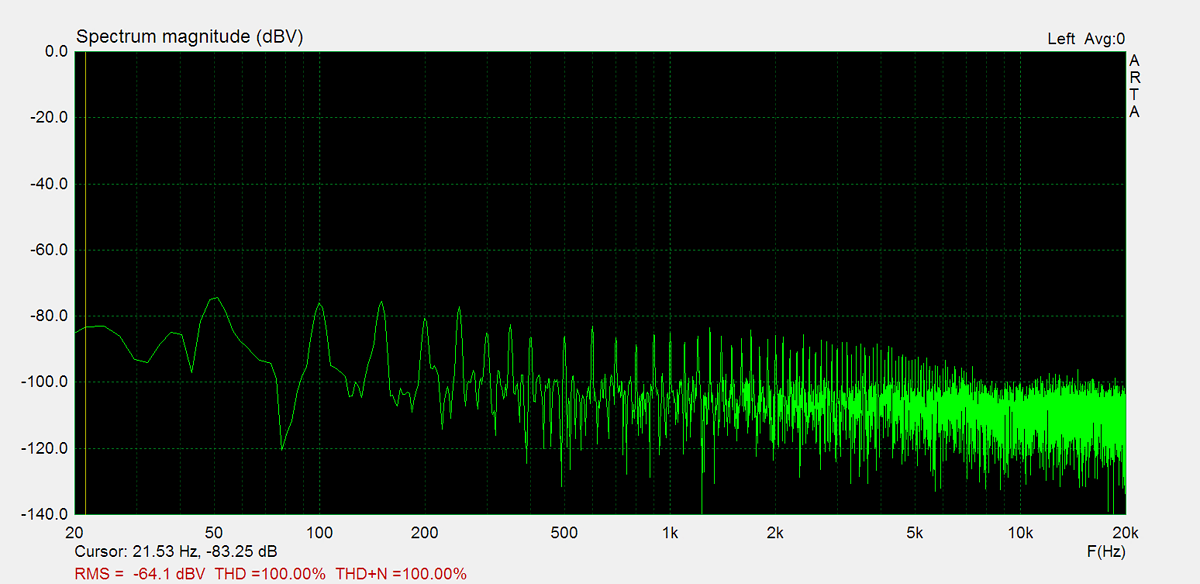
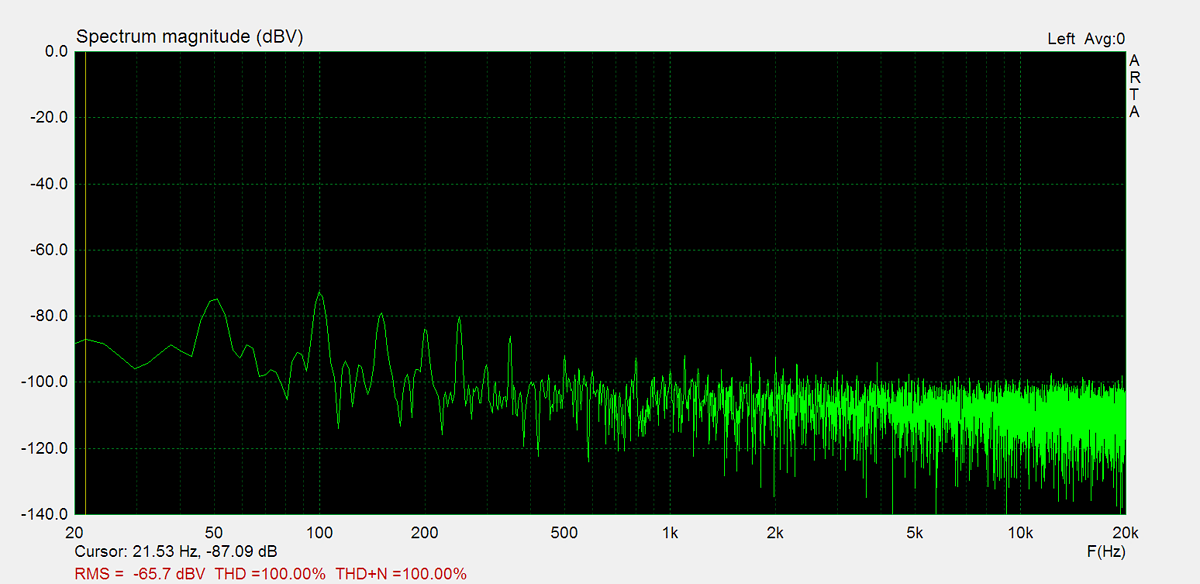
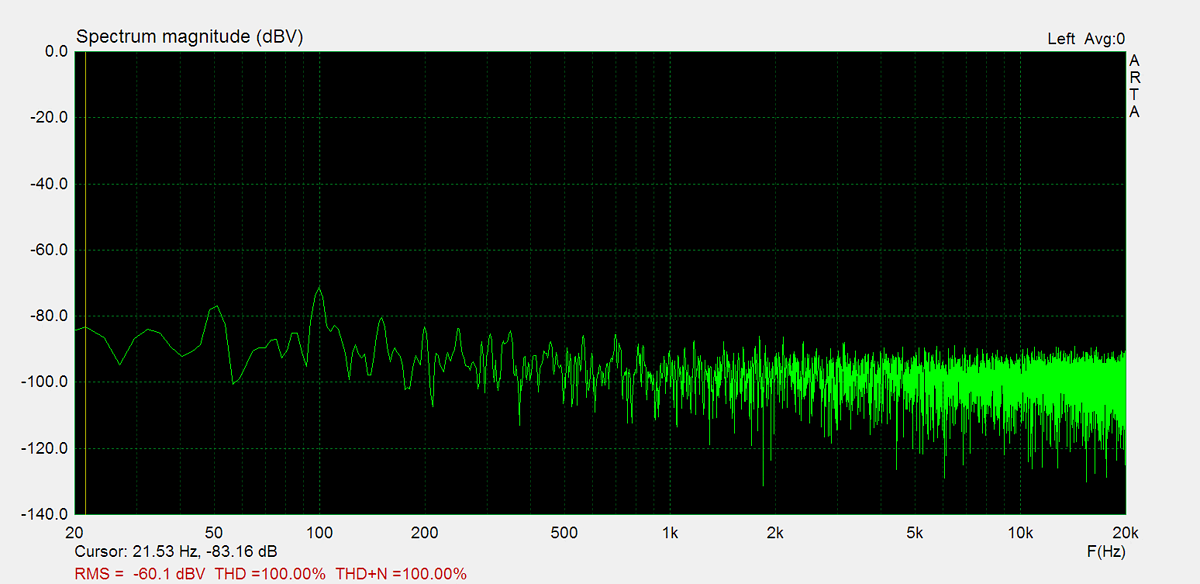
Residual Noise
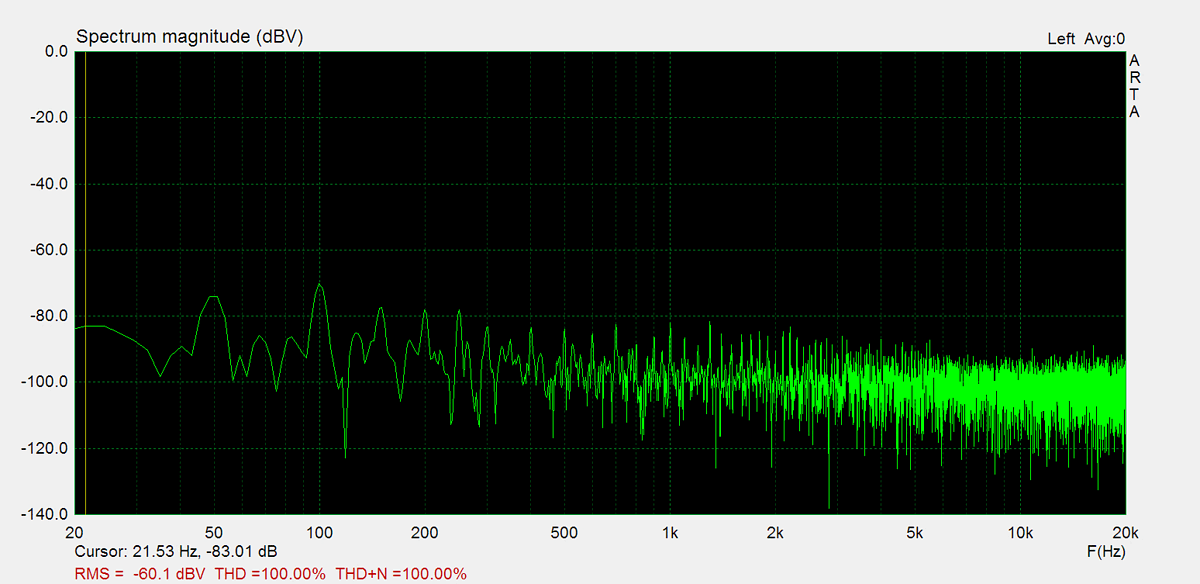
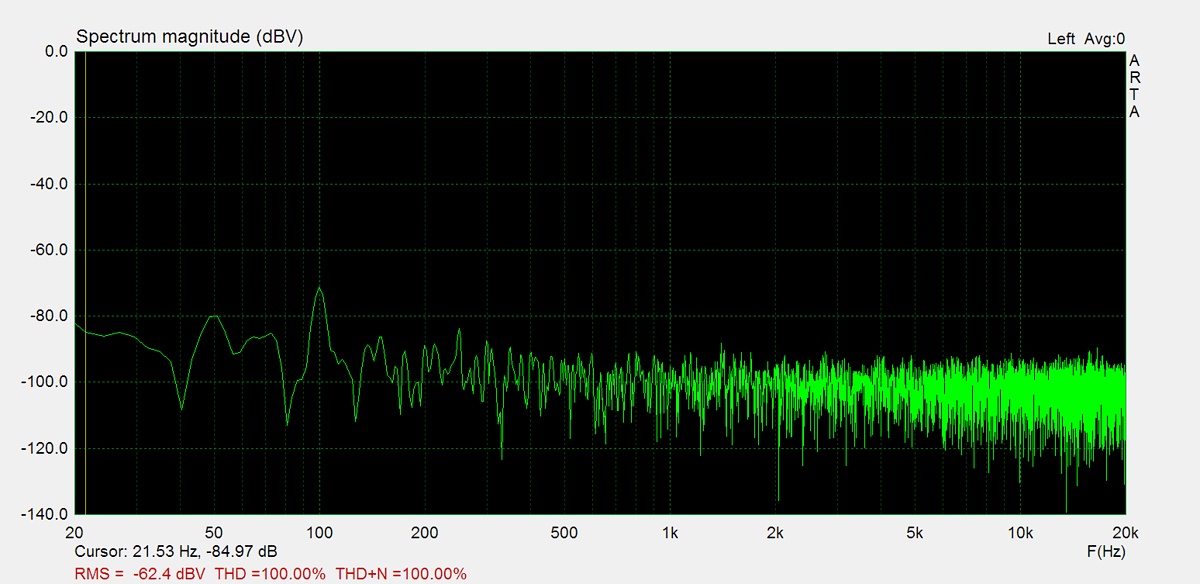
These graphs display the noise levels at various volume positions. To eliminate any interference from the input signal, the input lines are shorted during the measurement. Generally, the noise is highest at the mid-point of the volume range (50%)
Distorsion
Total harmonic distortion (THD) is measured using a 1kHz sine wave input, with the output level adjusted to meet different conditions. Intermodulation distortion (IMD) is measured using 'two sine' input signal. THD versus voltage is measured with a 1kHz sine wave input, while THD versus frequency is measured at various output levels.