Luxman LV-112
The Luxman LV-112 is an upper-range integrated stereo amplifier from the series, introduced in the late 1980s.
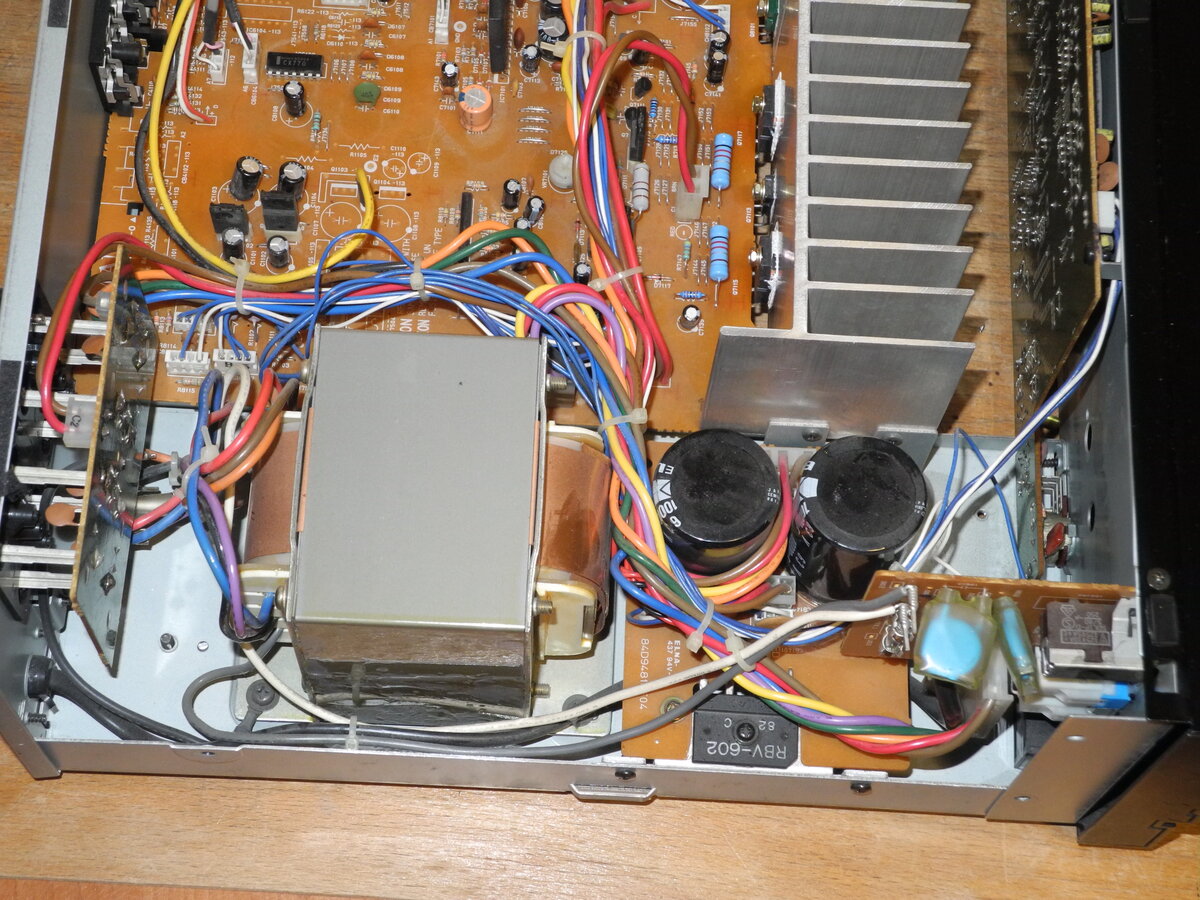
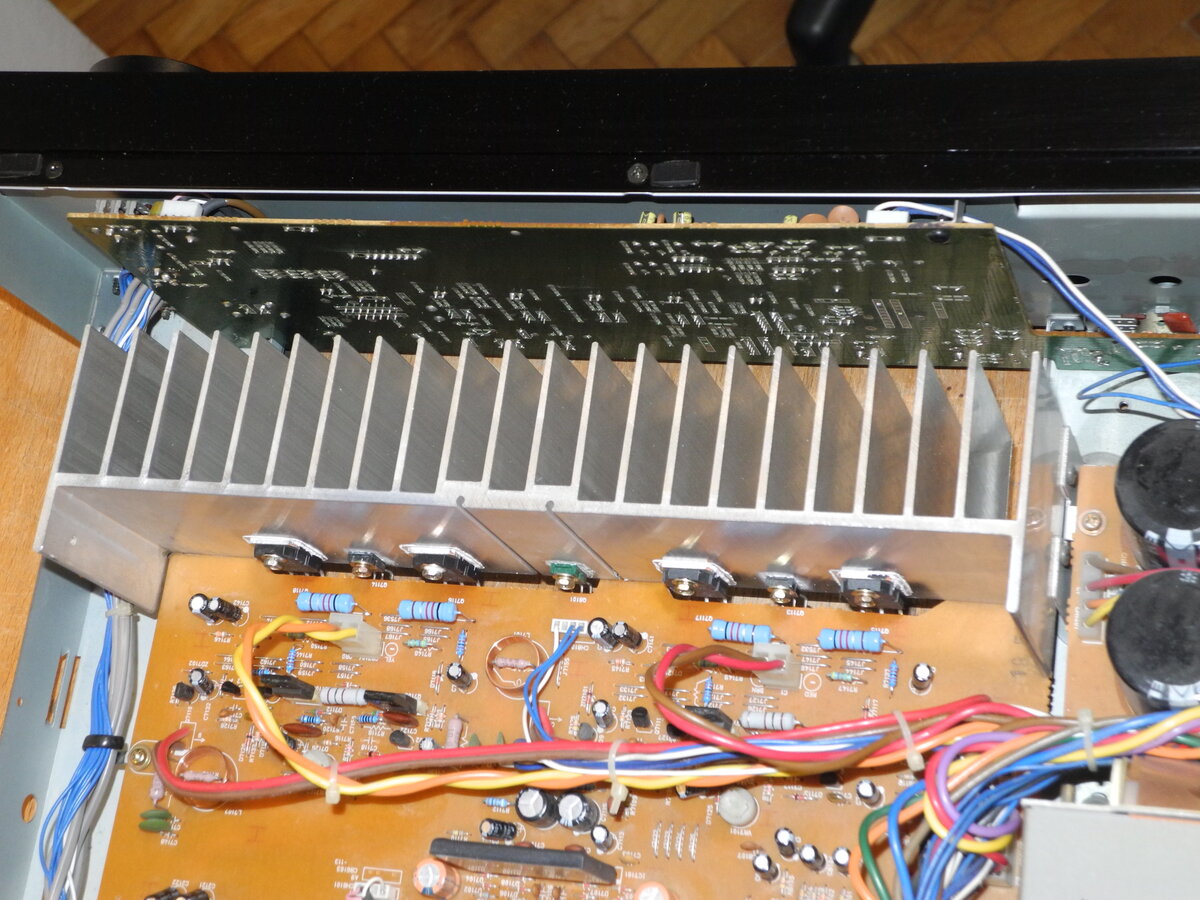
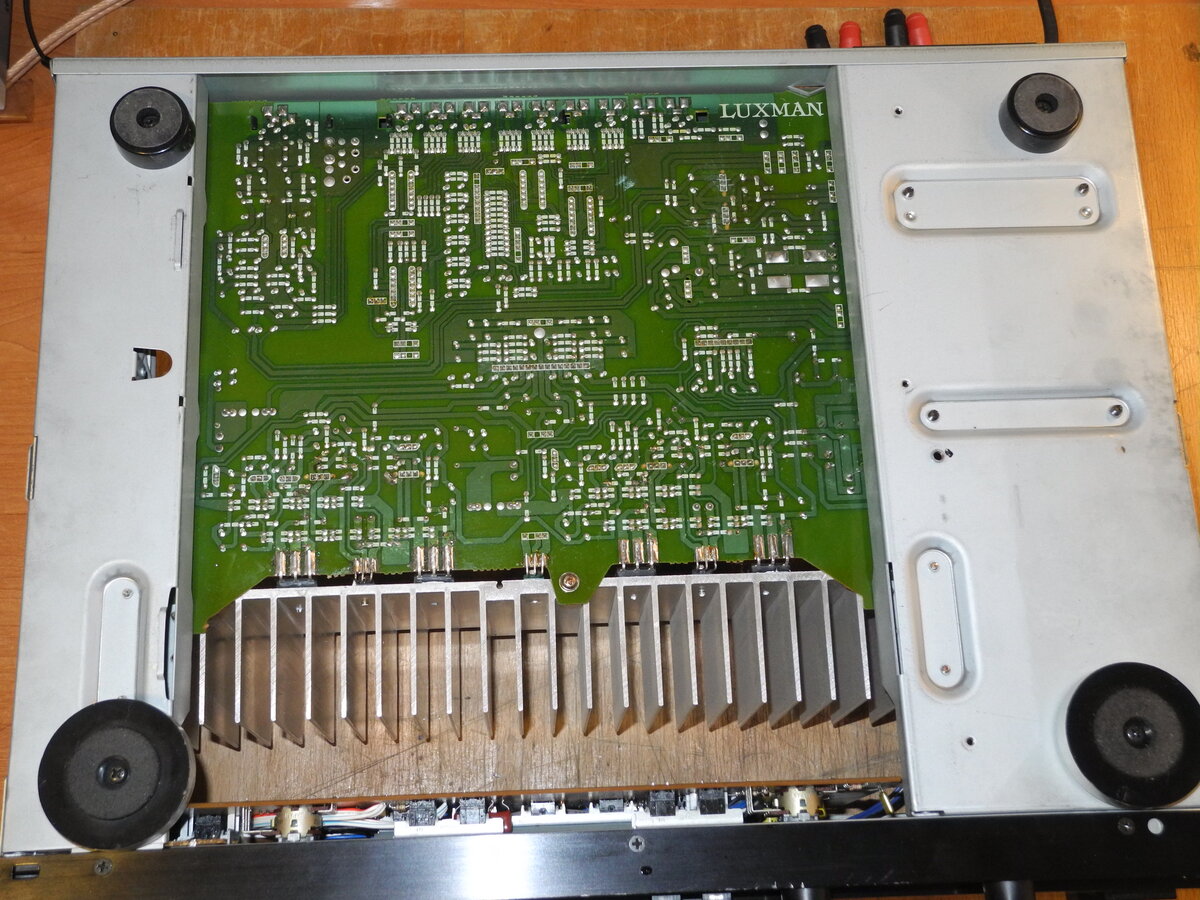
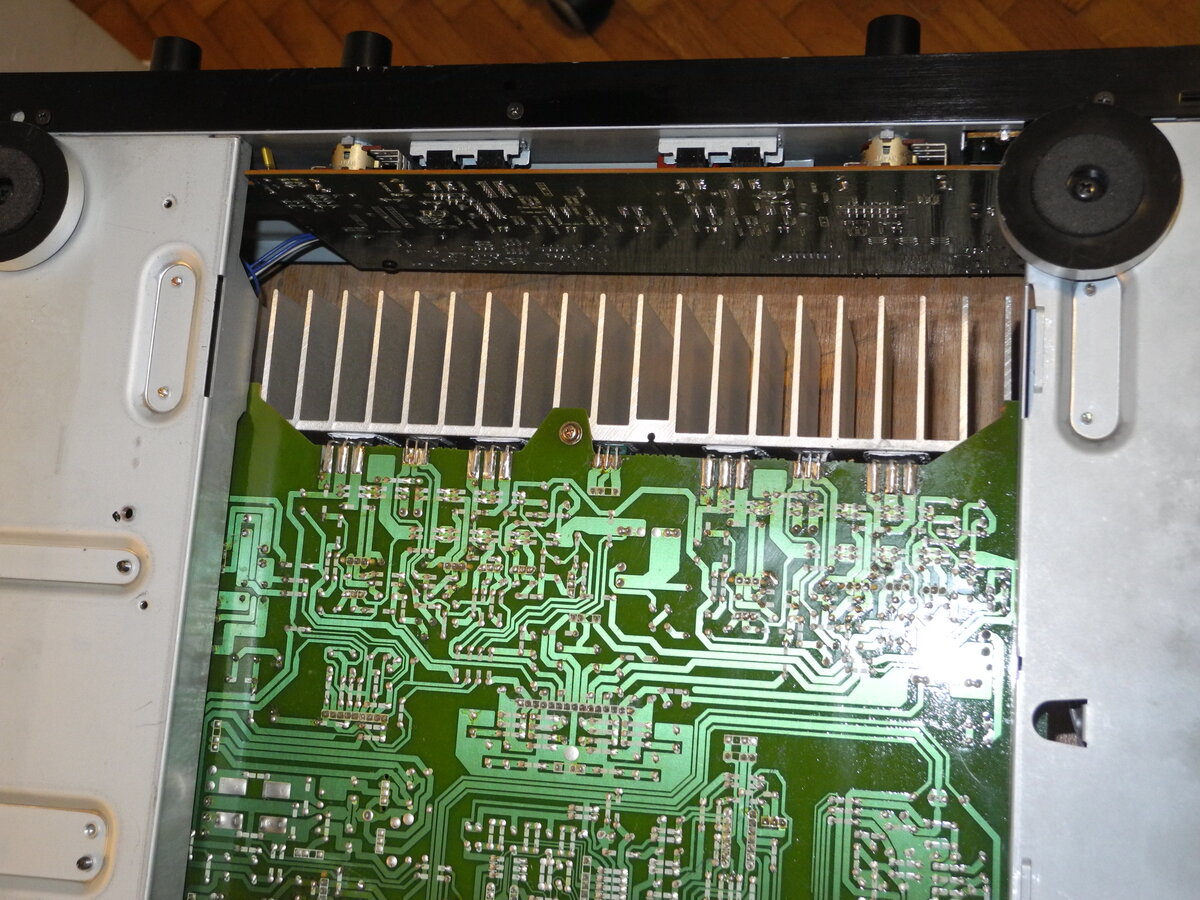
The output stage uses 2SA1265 and 2SC3182 power transistors, with the STK3102III as a predriver. The power supply features two 10000µF filter capacitors and a large power transformer.
Besides the standard functions, the amplifier features the Line Straight function, which bypasses the tone control circuitry. Another useful feature is the Aux input located on the front panel, which provides a convenient connection for portable devices and MP3 players.
The black aluminum faceplate has a classic look of the era. Nothing particularly exciting. Overall, the sound is good, with slightly emphasized mid frequencies in the neutral position.
Manufacturer: Luxman
Status: Active company
Official website: luxman.com
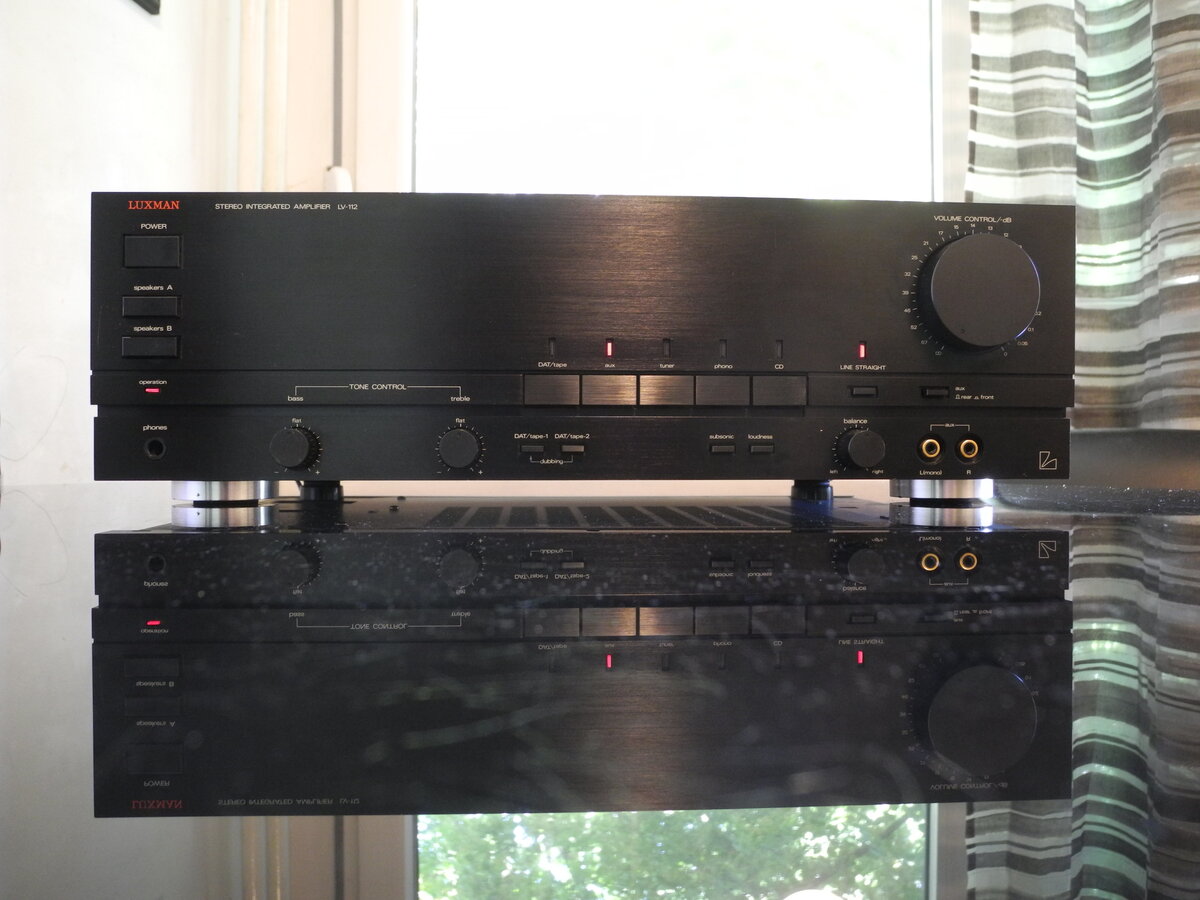
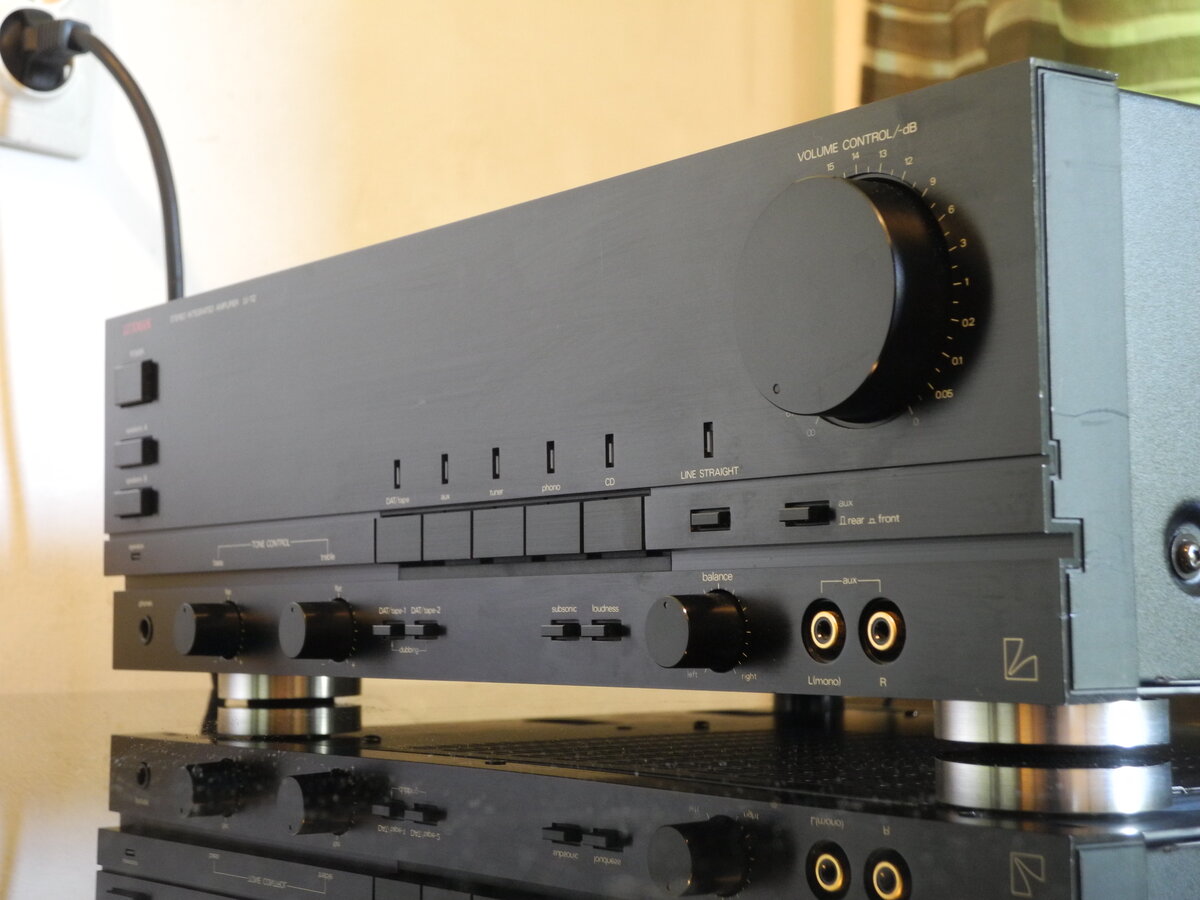
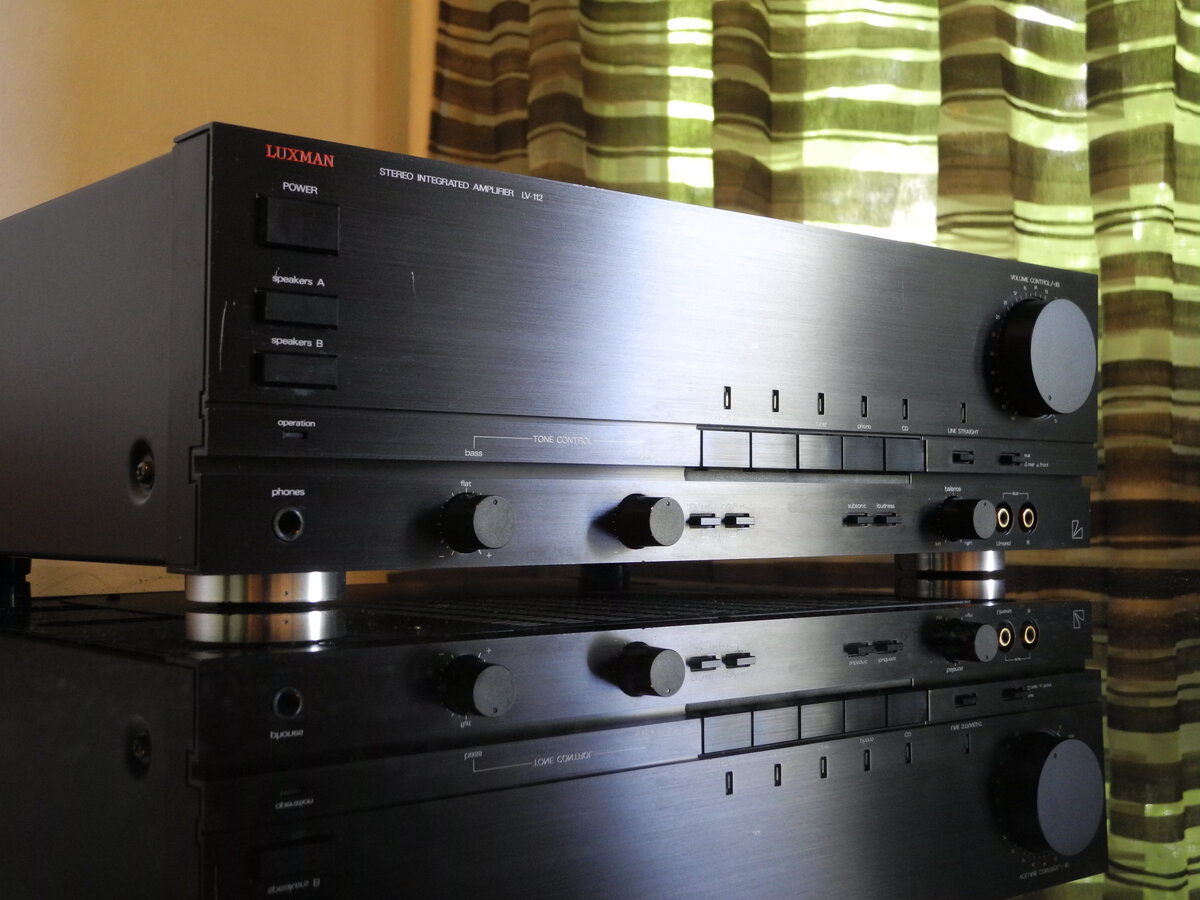
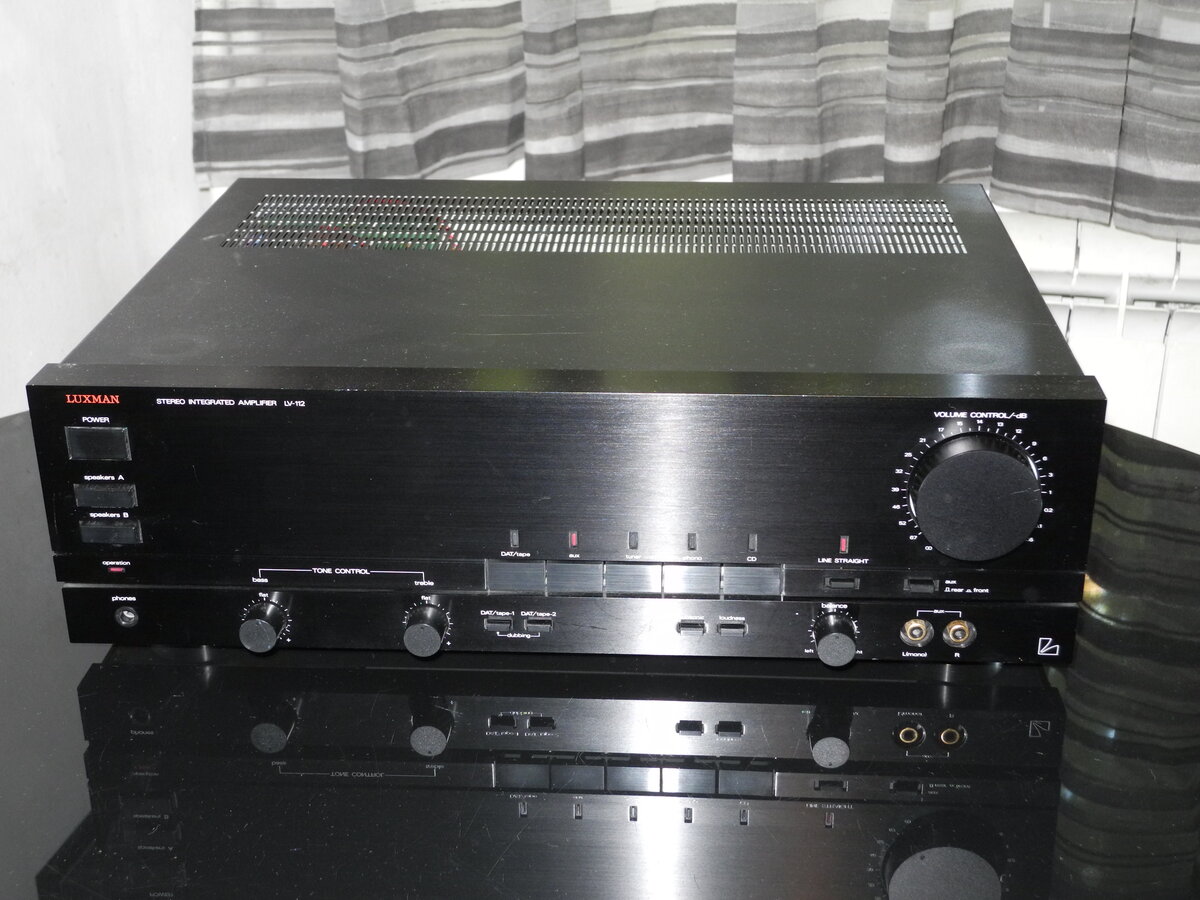
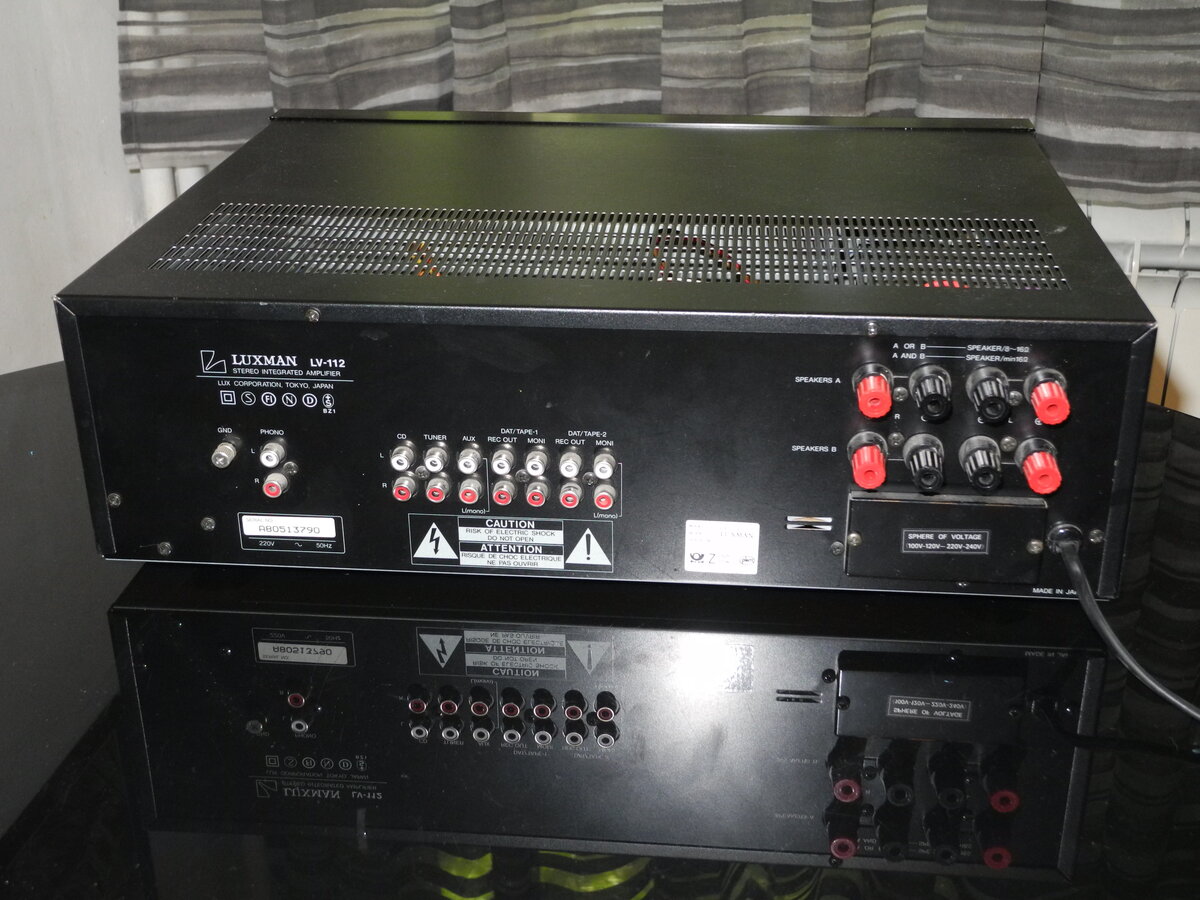
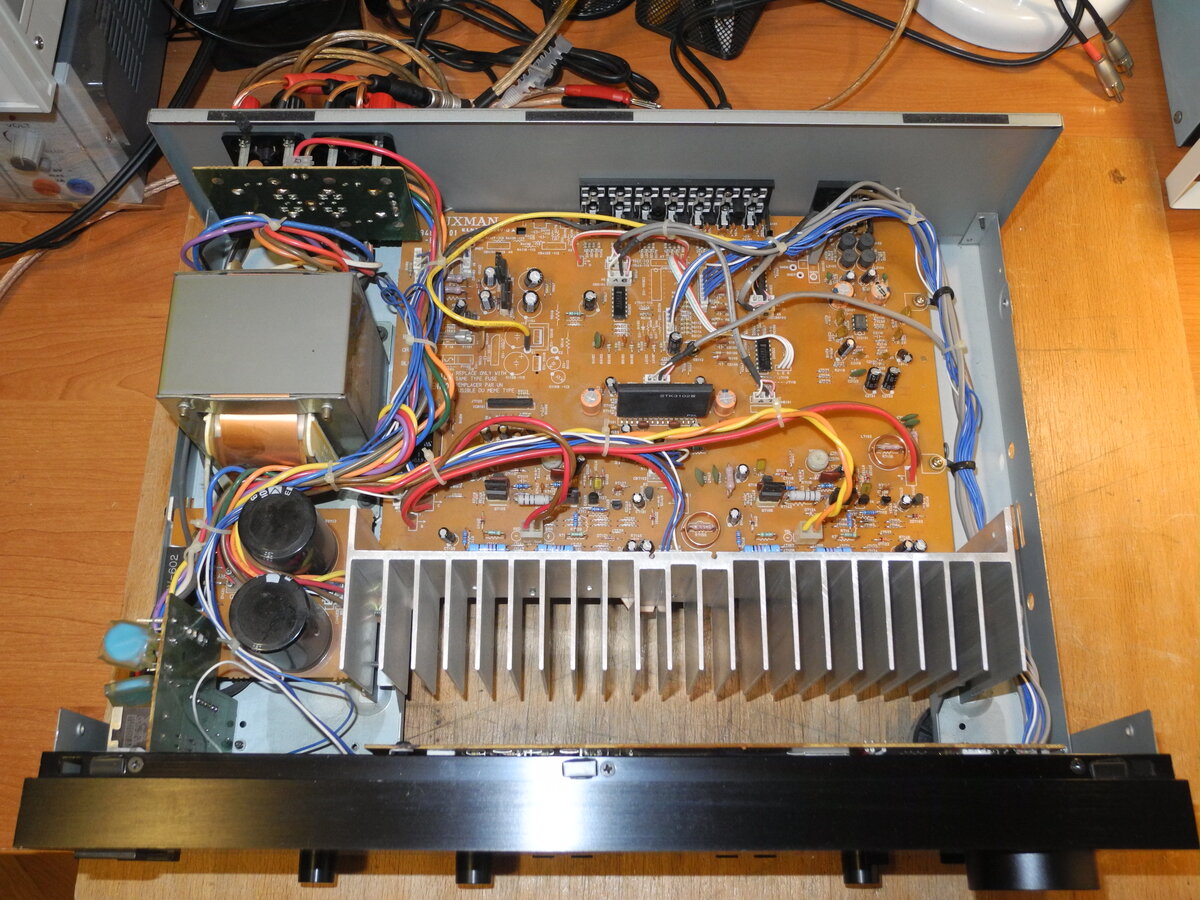
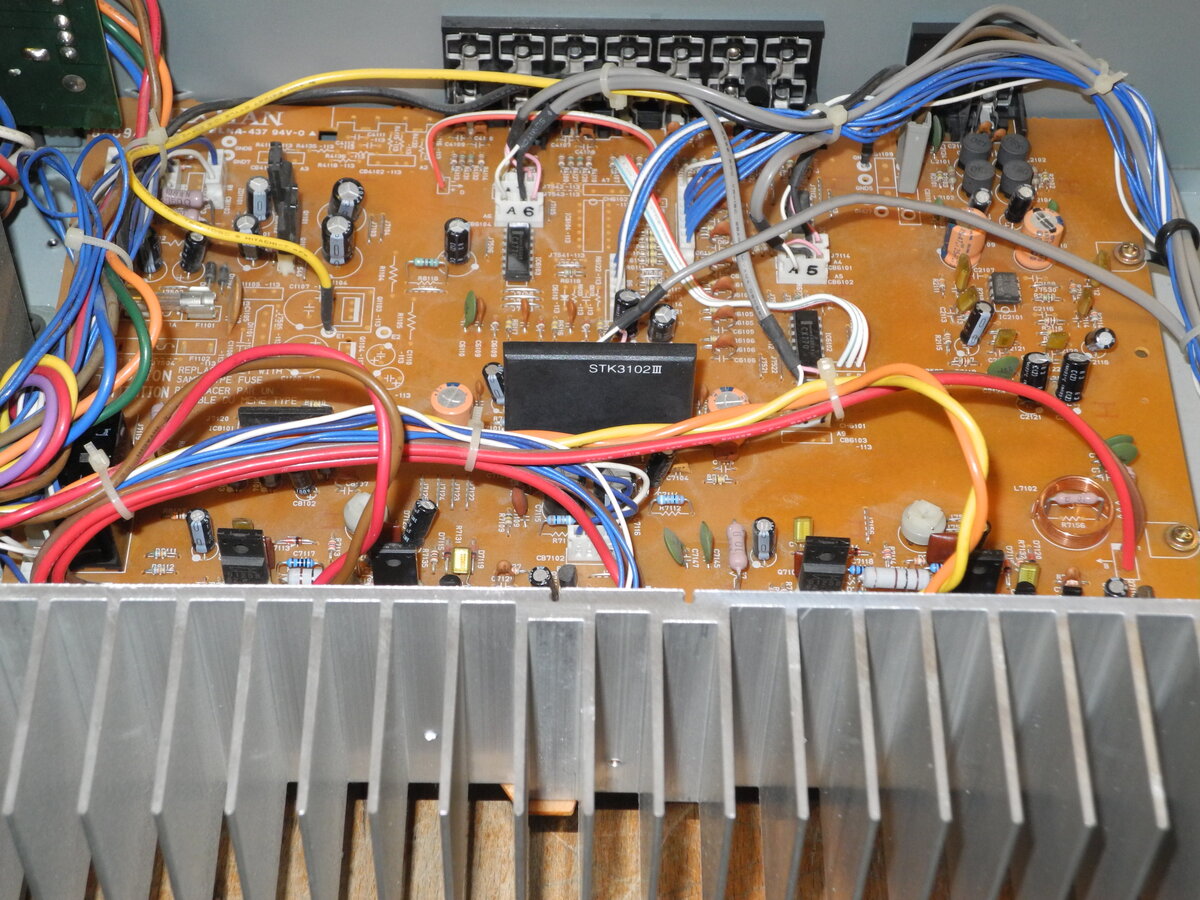
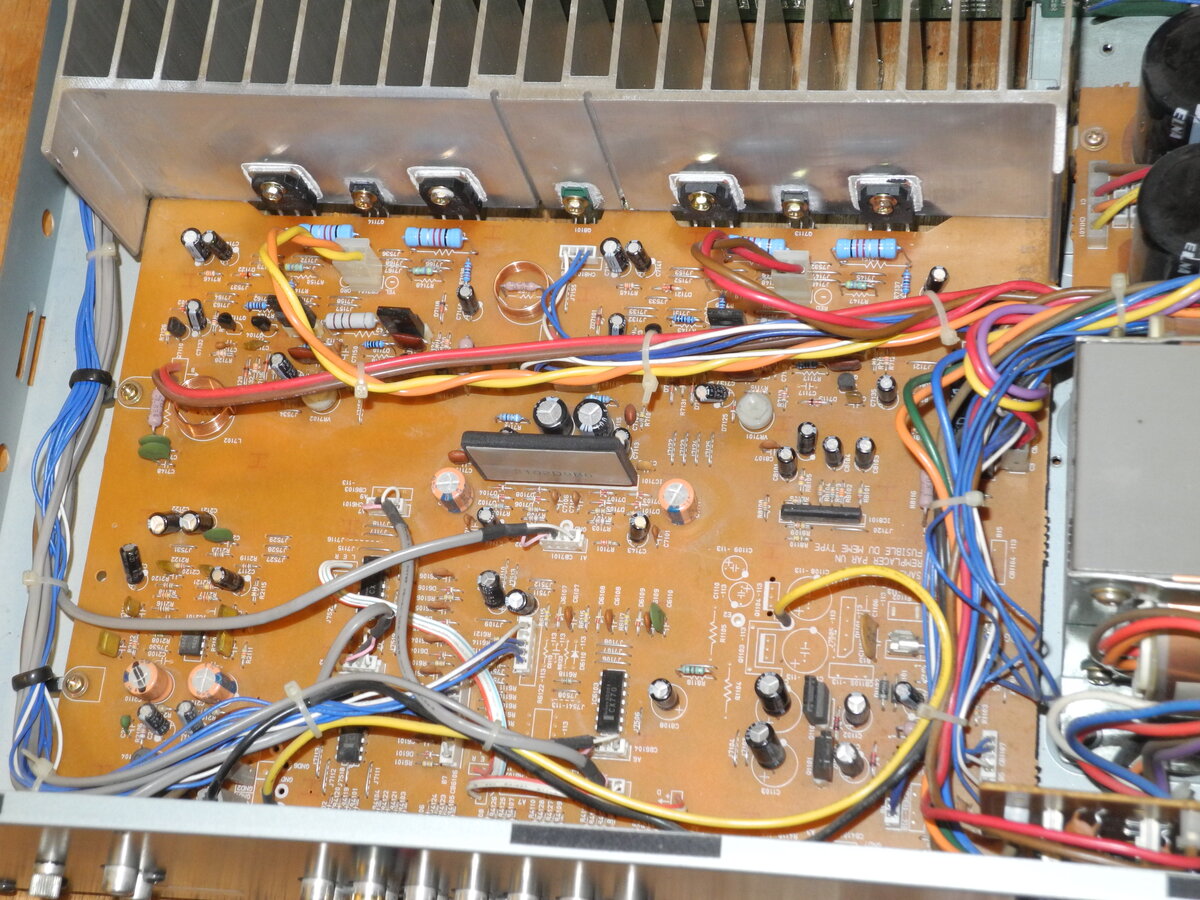
General Specifications
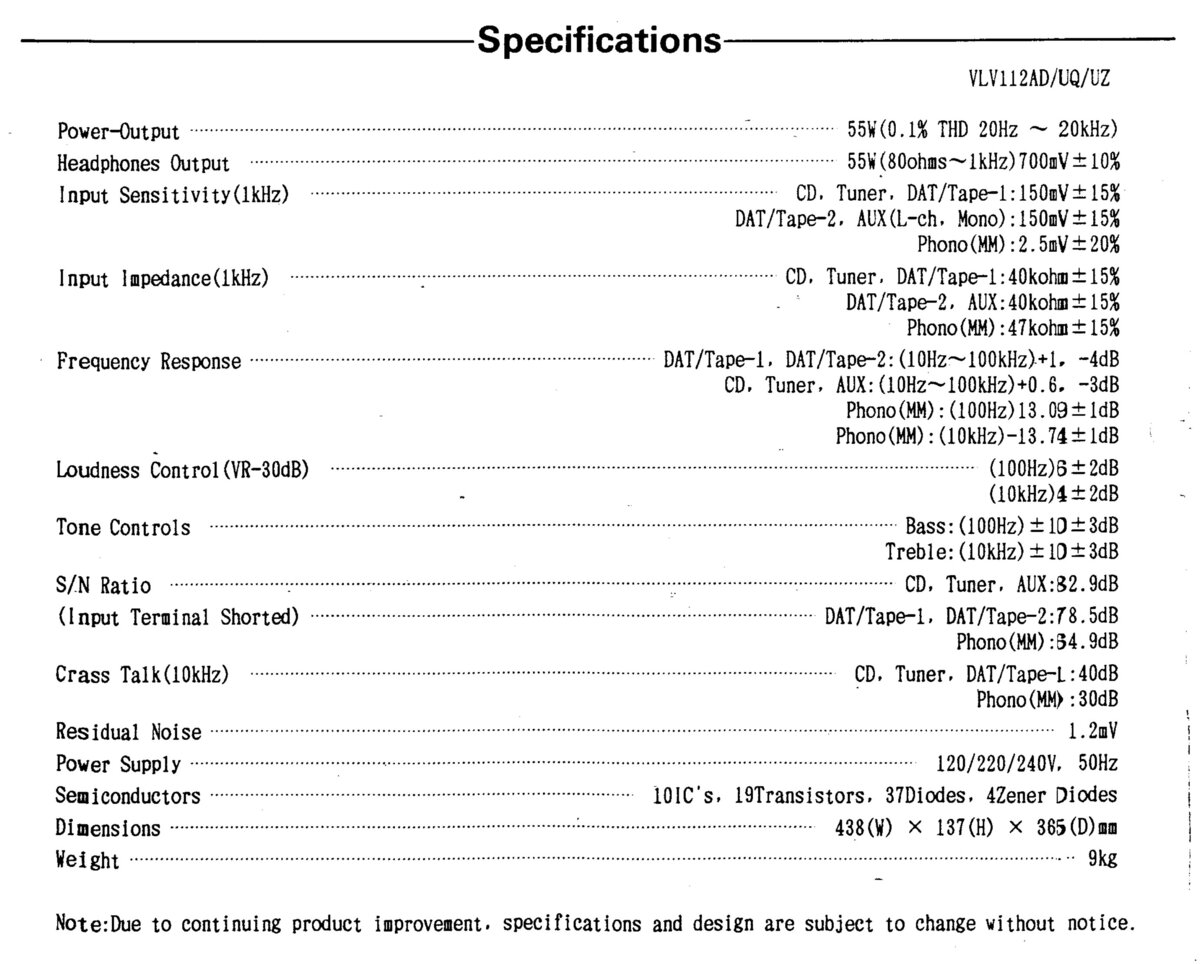
Maximum power (8Ω): 55WFrequency response (10Hz-100kHz): +0.6,-3dB
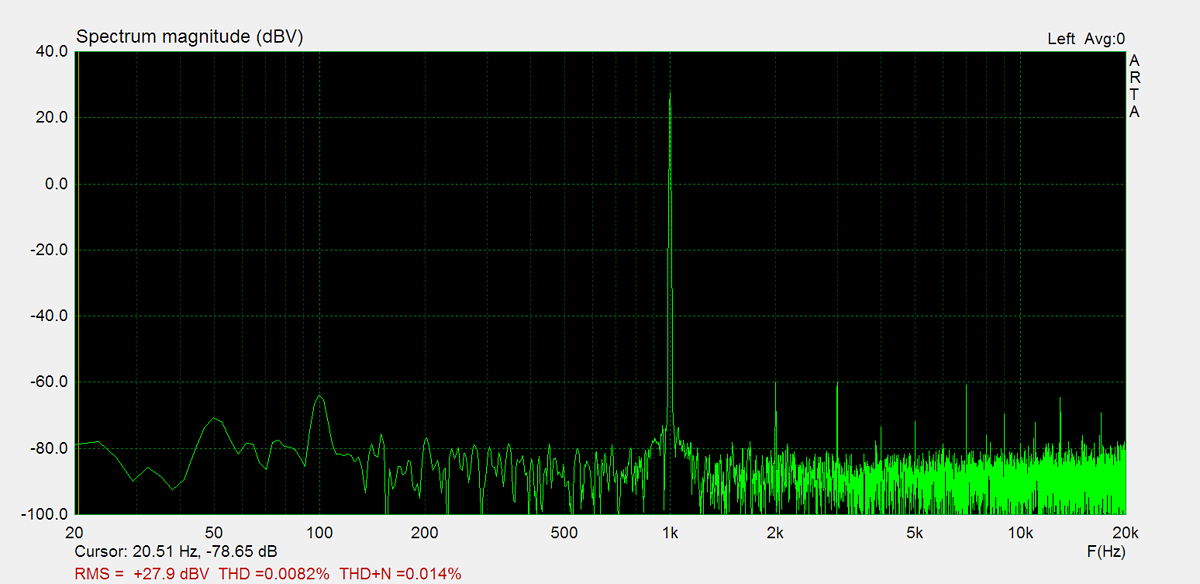
THD (1kHz): 0.008%
Signal to noise ratio (Line): 82.9dB
Signal to noise ratio (MM): 64.9dB
Crosstalk attenuation (10kHz): 40dB
Input sensitivity (Line): 150mV
Input sensitivity (MM): 2.5mV
Speaker load impedance: 8Ω-16Ω
Dimensions (WHD): 438×137×365mm
Weight: 9kg
Produced: 1988-1991
Initial price: $449
Measured Values
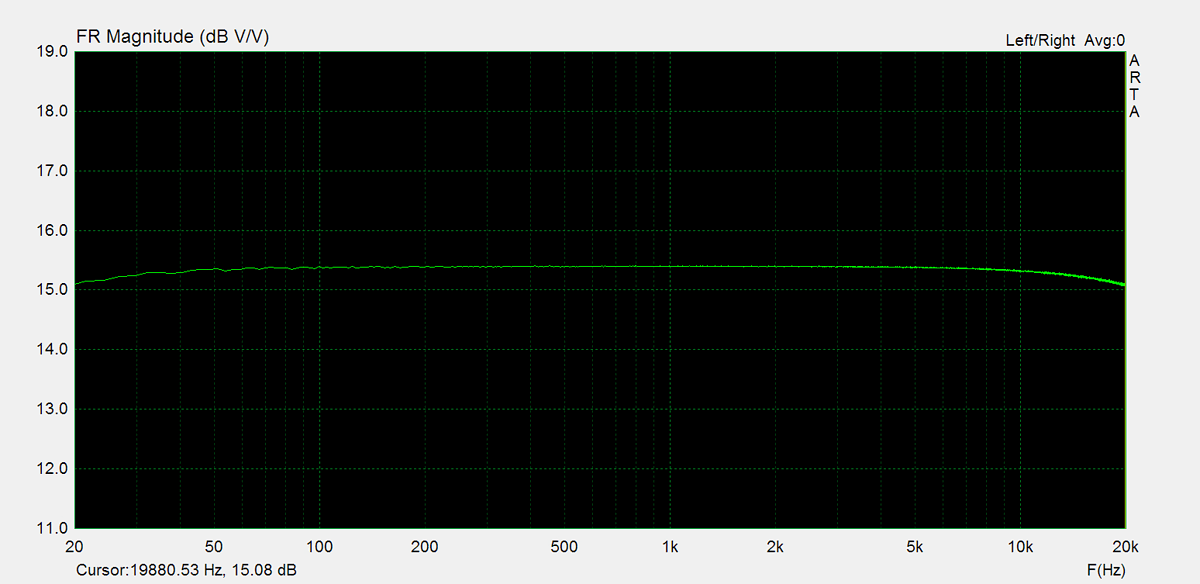
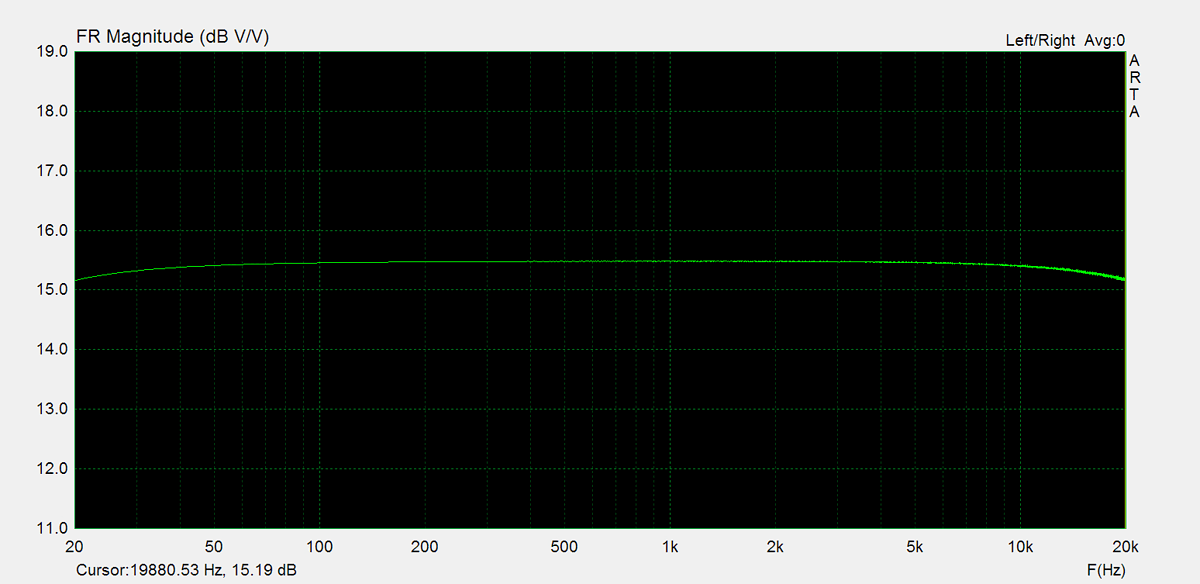
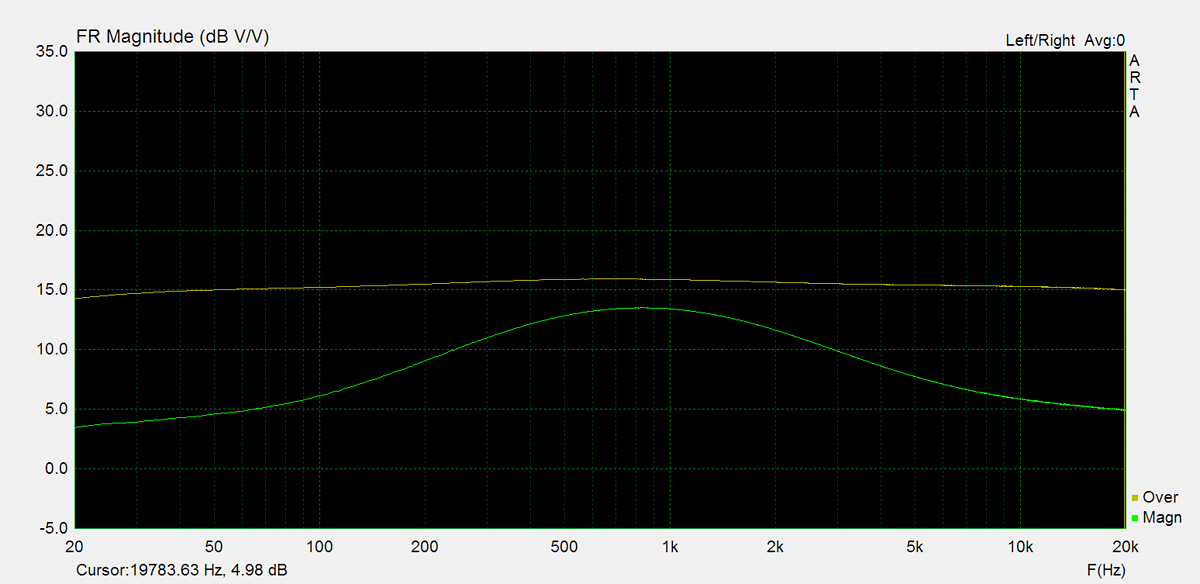
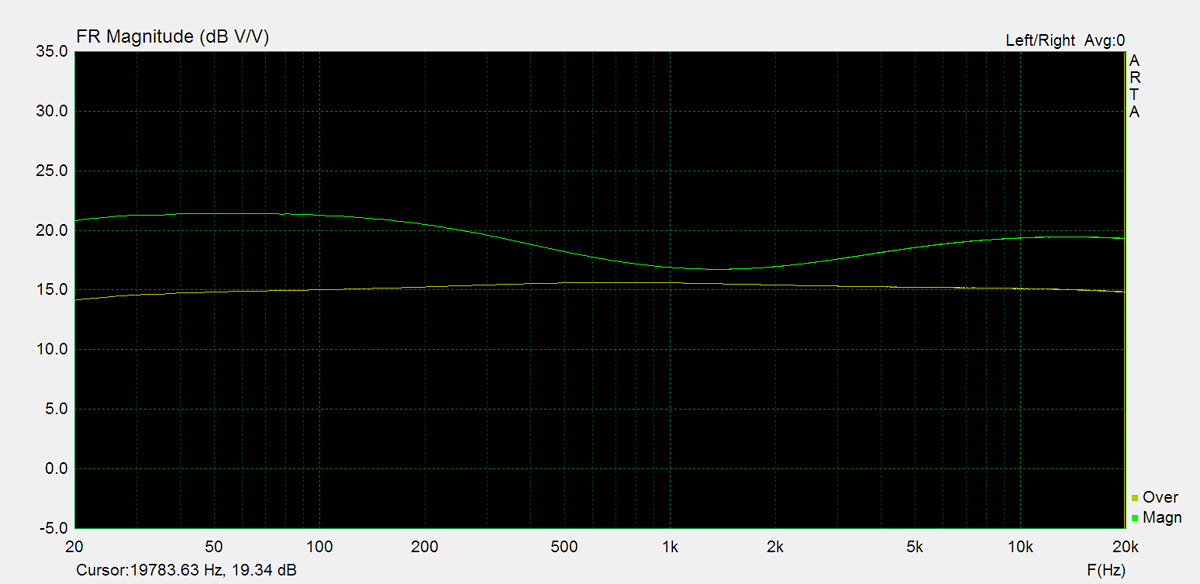
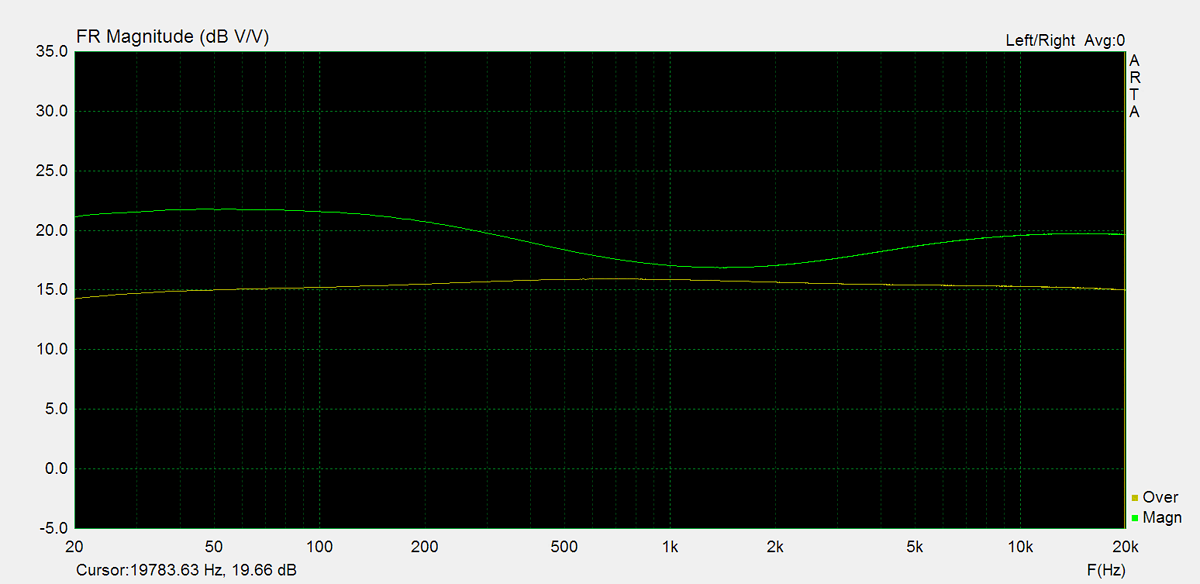
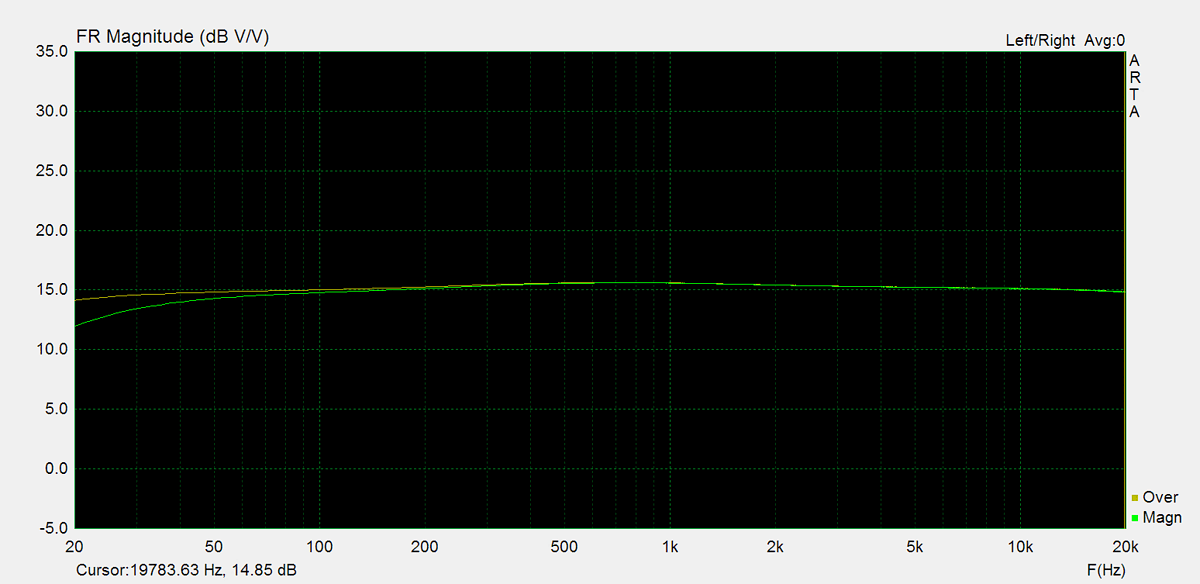
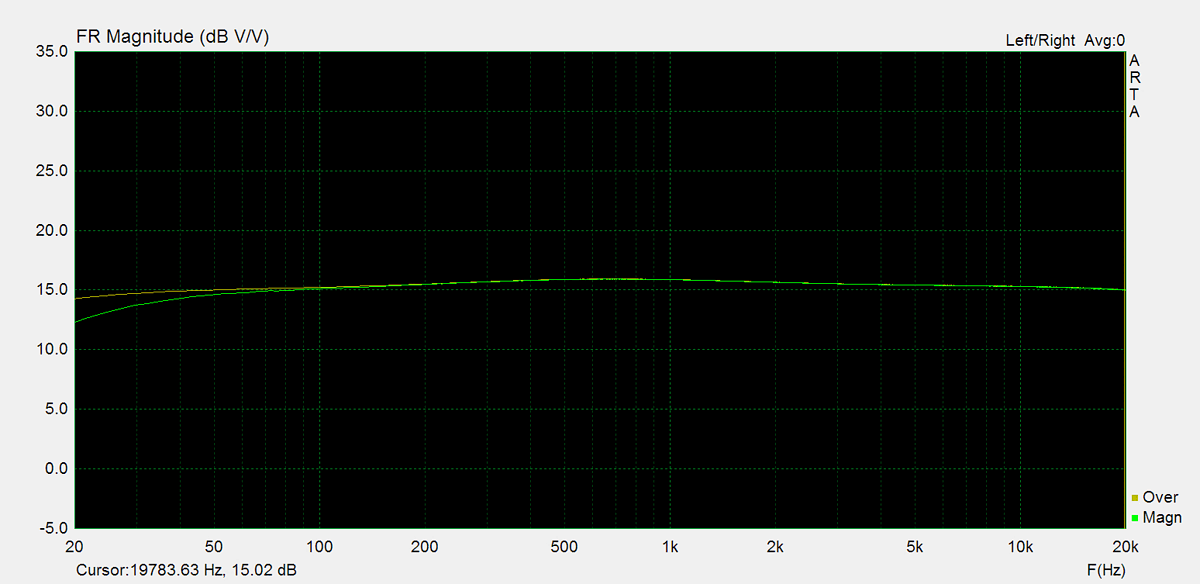
Maximum power (8Ω): 77.1WFrequency response (20Hz-20kHz): <0.4dB
Channel imbalance: <0.2dB
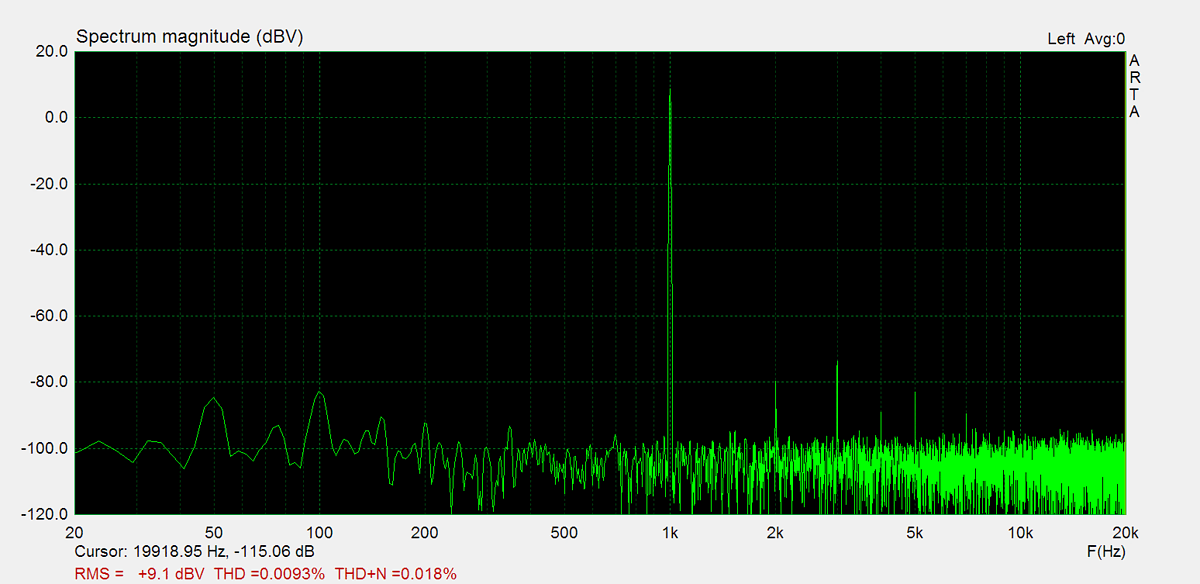
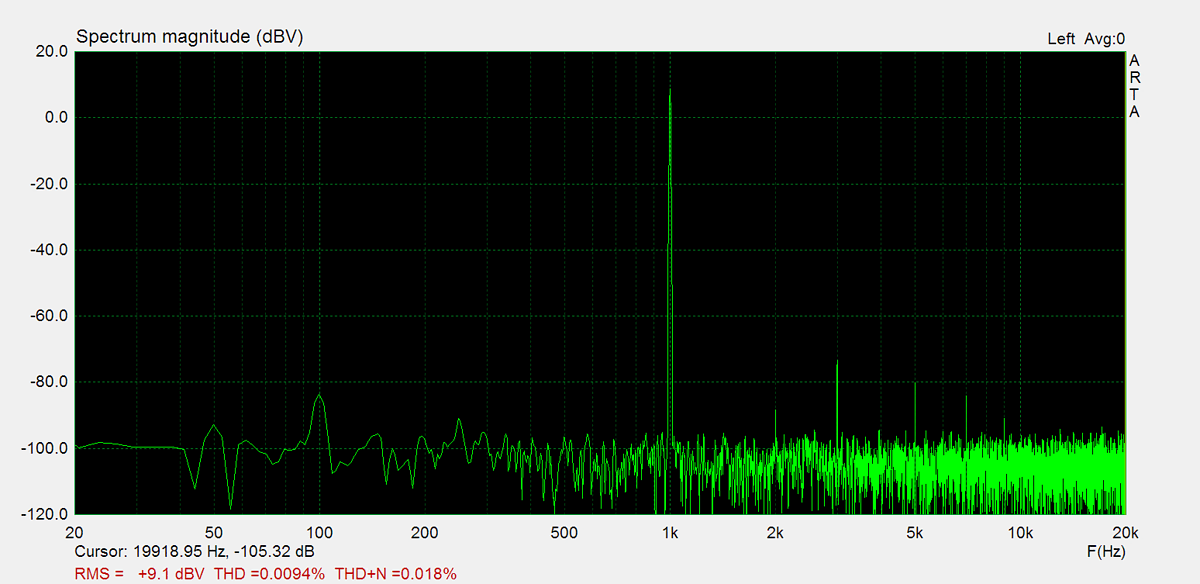
THD (1kHz, 1W): 0.0094%
THD+N (1kHz, 1W): 0.018%
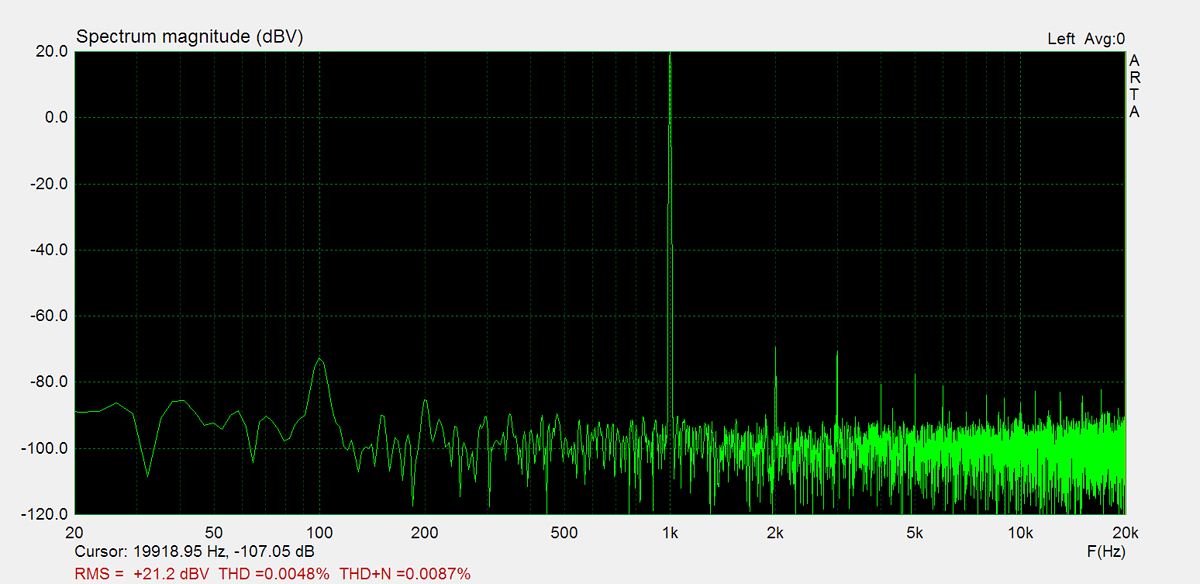
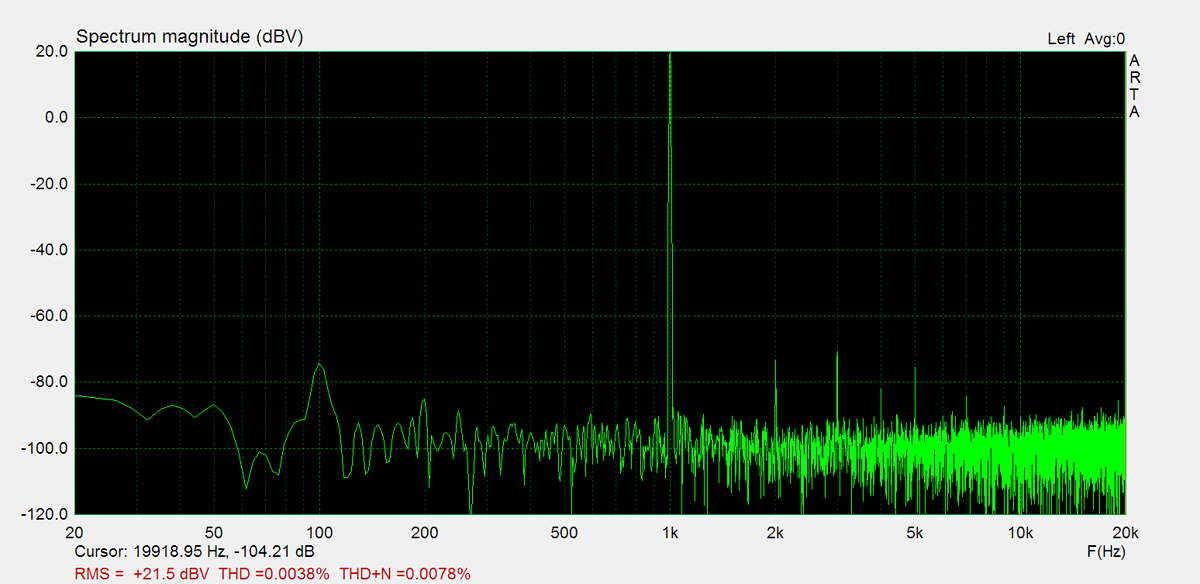
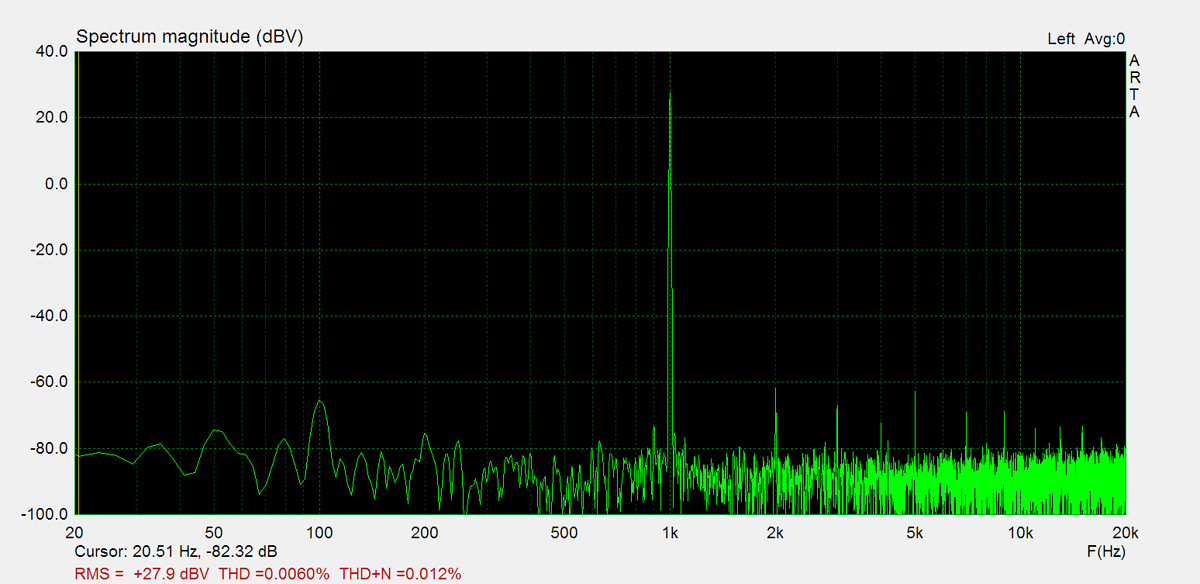
THD (1kHz, 20W): 0.0048%
THD+N (1kHz, 20W): 0.0087%
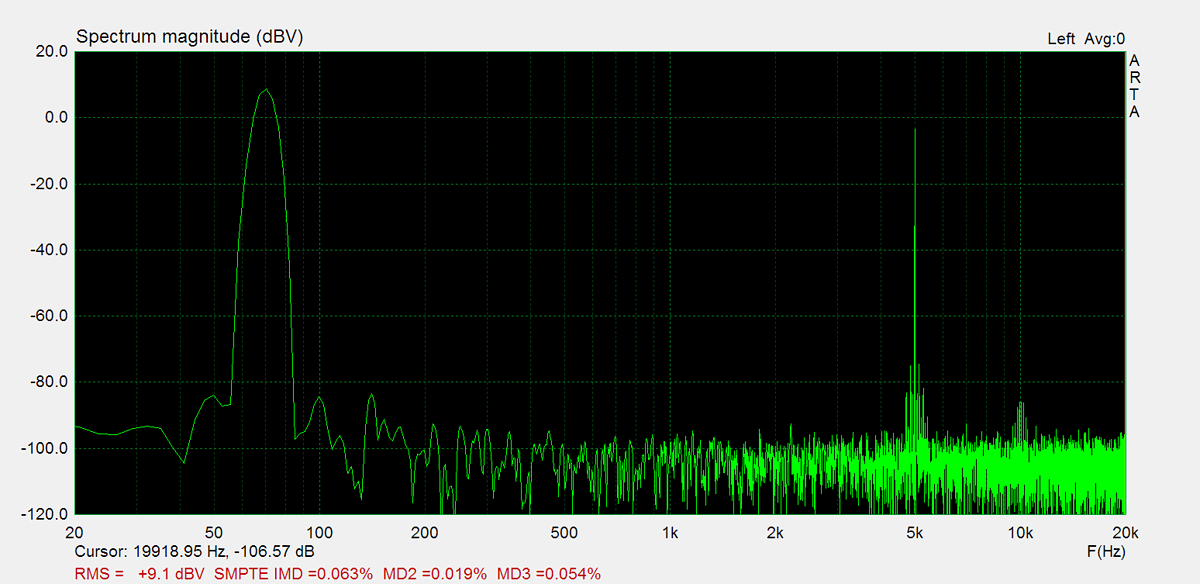
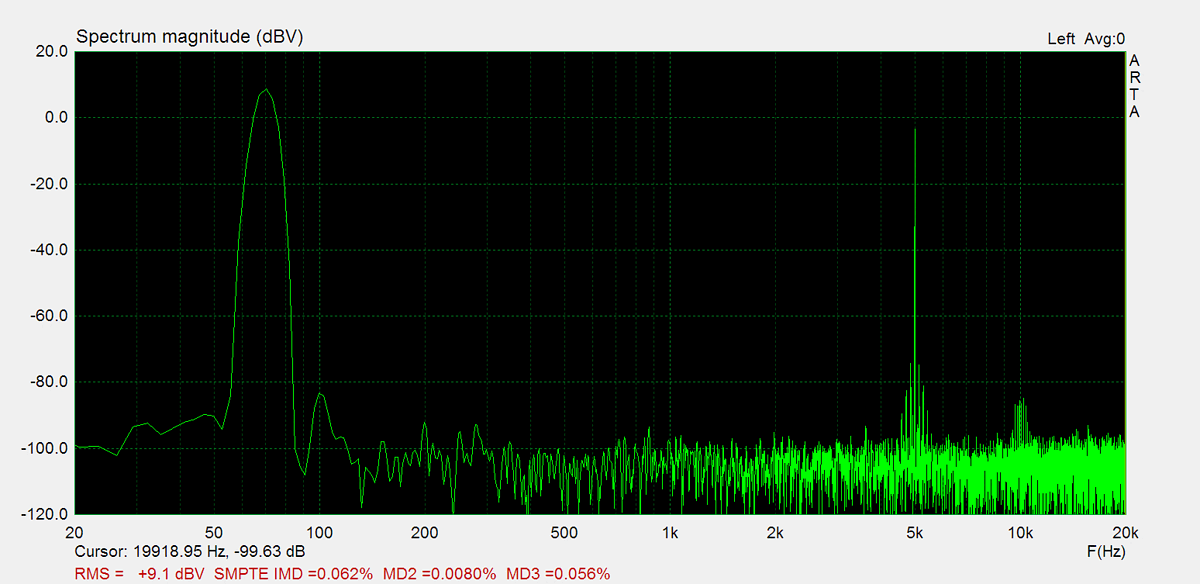
IMD (70Hz, 5kHz, 1W): 0.063%
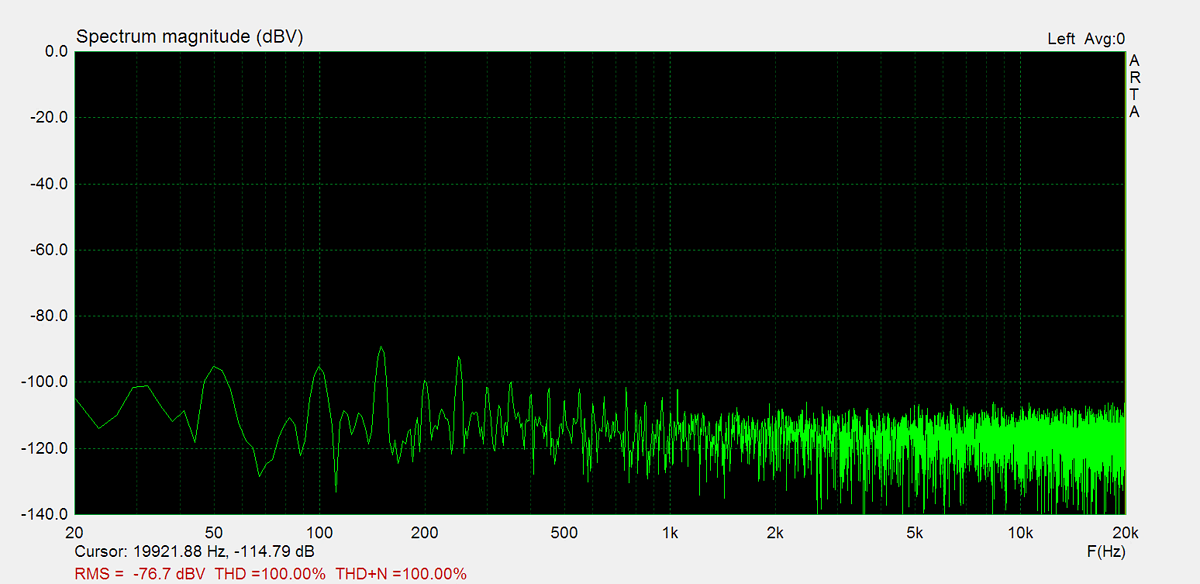
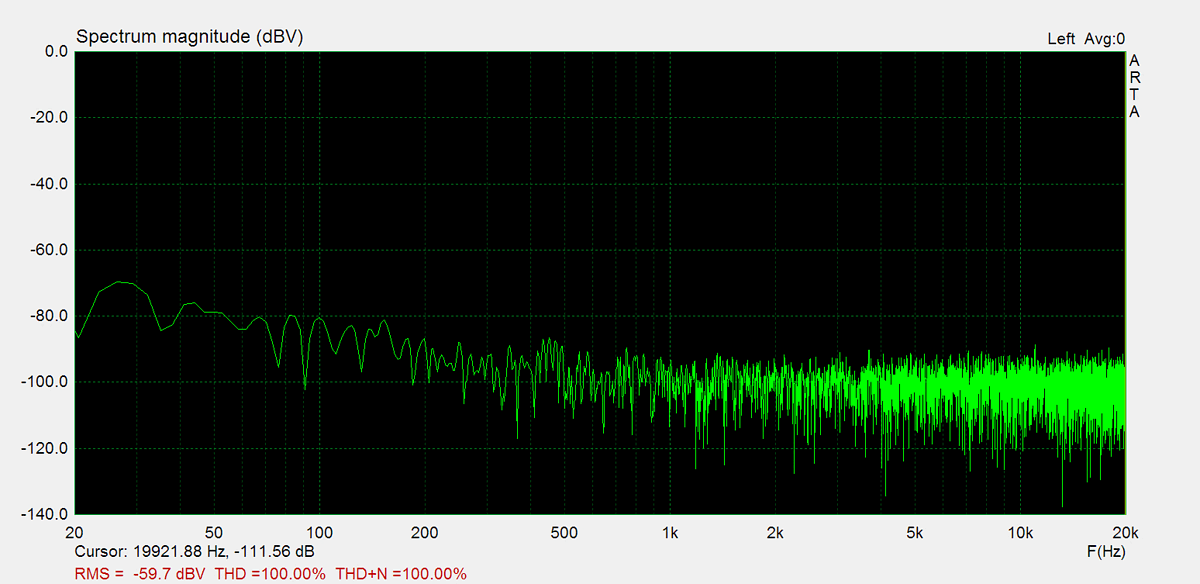
Noise: -59.7dB
Amplification: 145.4
DC offset L: -11.0mV
DC offset R: -7.0mV
Factory Specification Sheet
Factory specification images are sourced directly from the device's original service manual or user manual. These documents are produced by the manufacturer and provide authoritative information on the product's specifications.
Maximum Power
Maximum power is measured using 8Ω resistors on both channels. A 1kHz sine wave input signal is applied and gradually increased until higher harmonics rise significantly. Typically, this is the point at which output clipping occurs.
Frequency Response
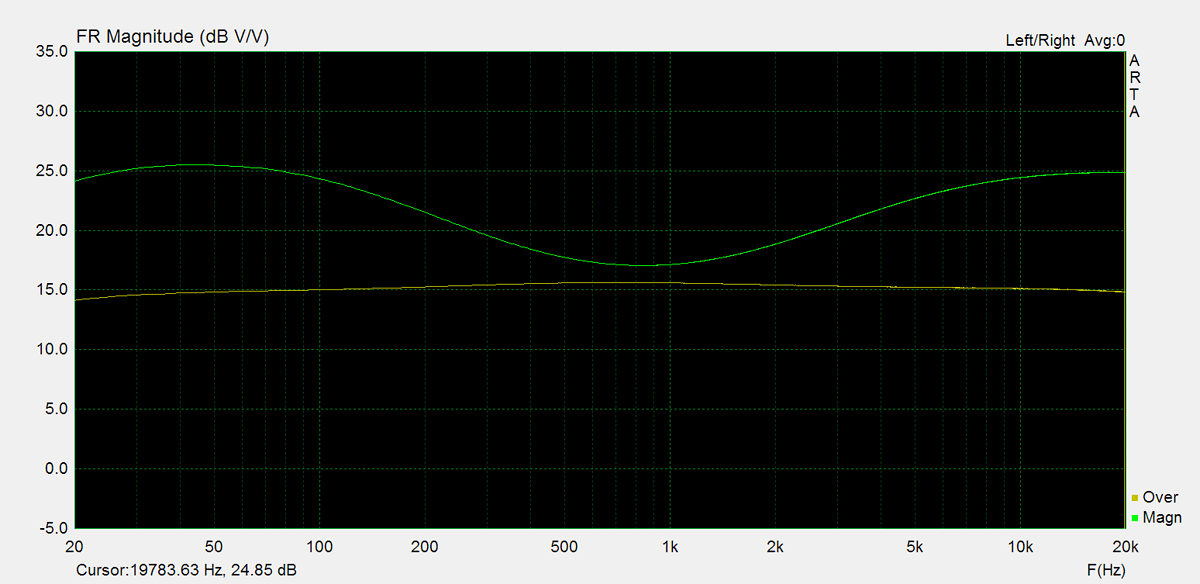
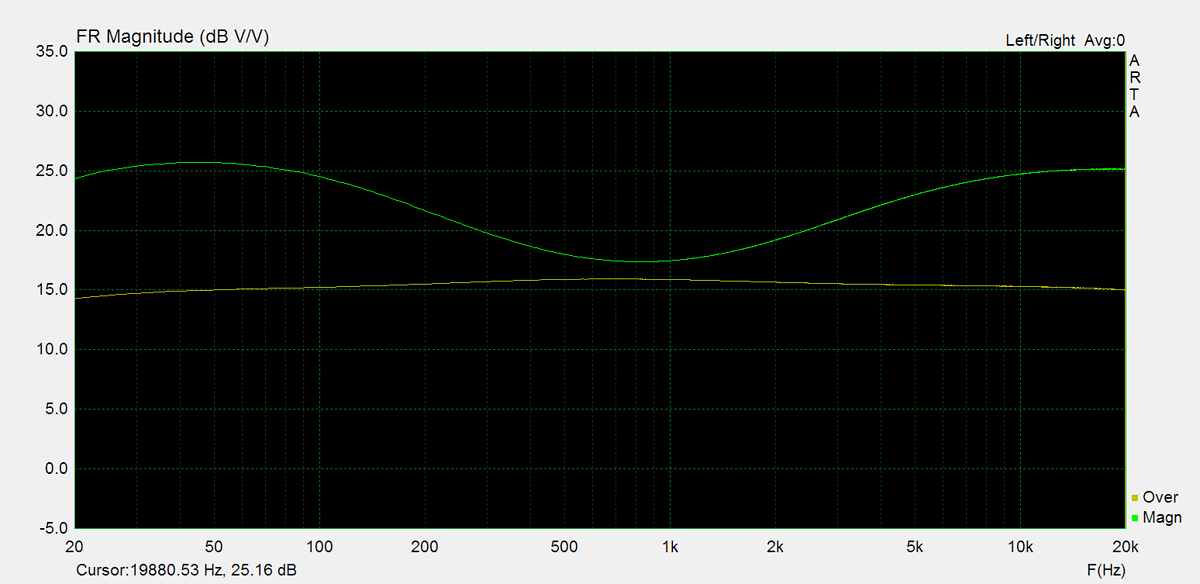
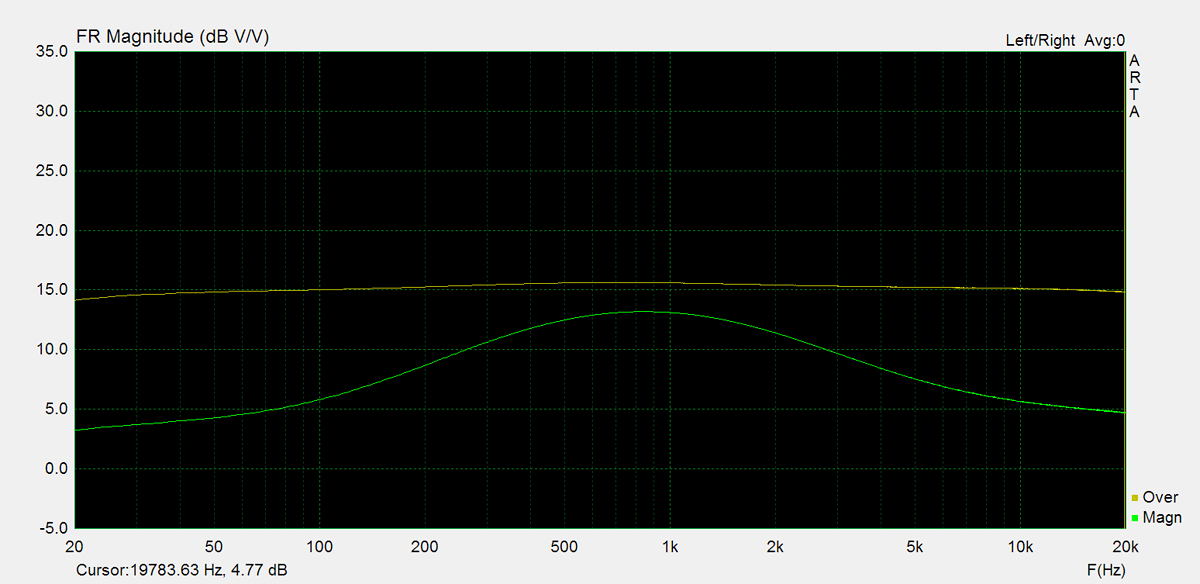
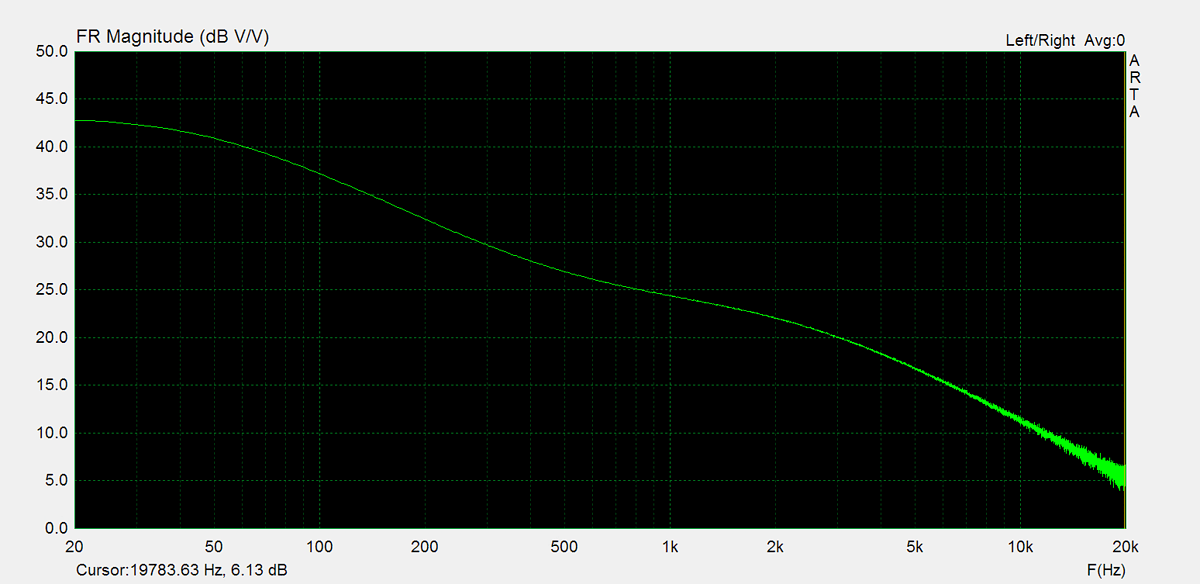
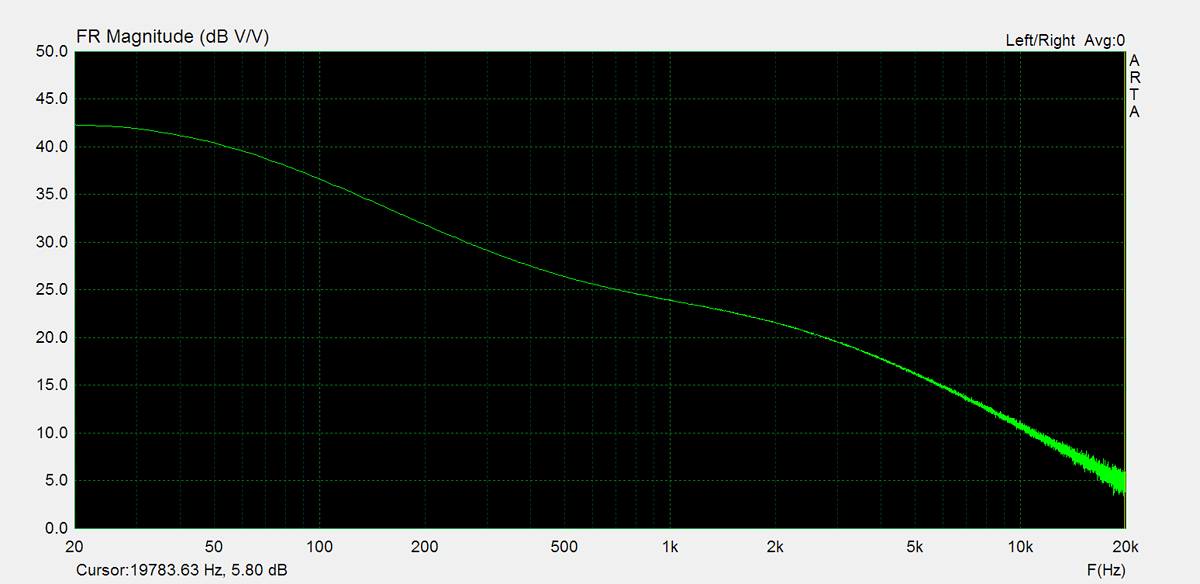
Frequency response is measured using several equalizer settings. 'Flat' indicates the tone controls are either turned off or set to their neutral position. 'Max' and 'Min' refer to the maximum and minimum tone control positions, respectively. In the phono section, the expected response follows the RIAA equalization curve.
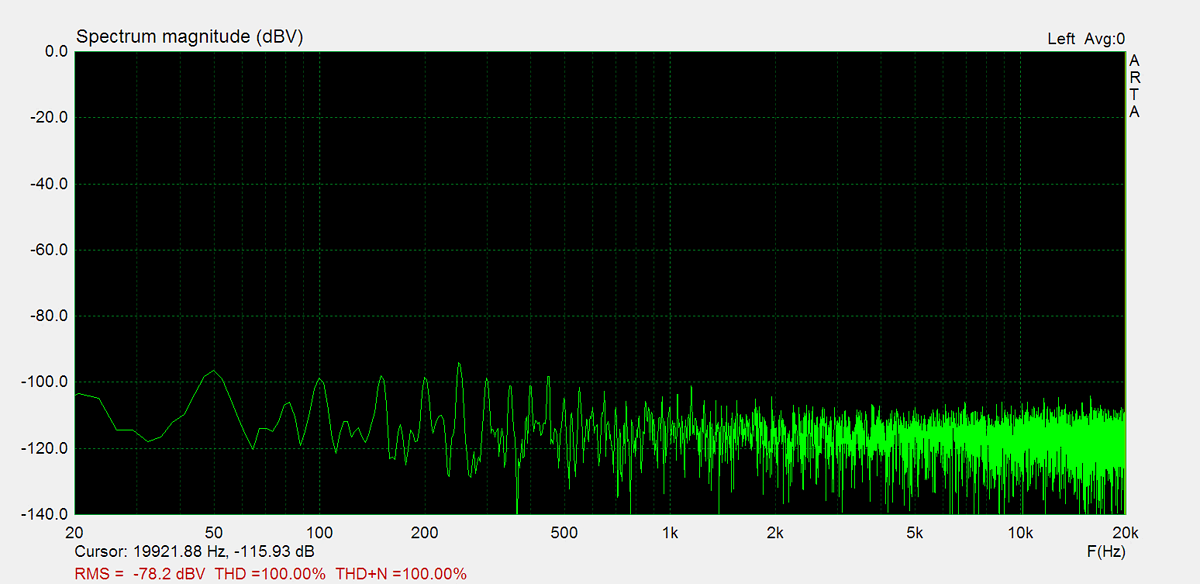
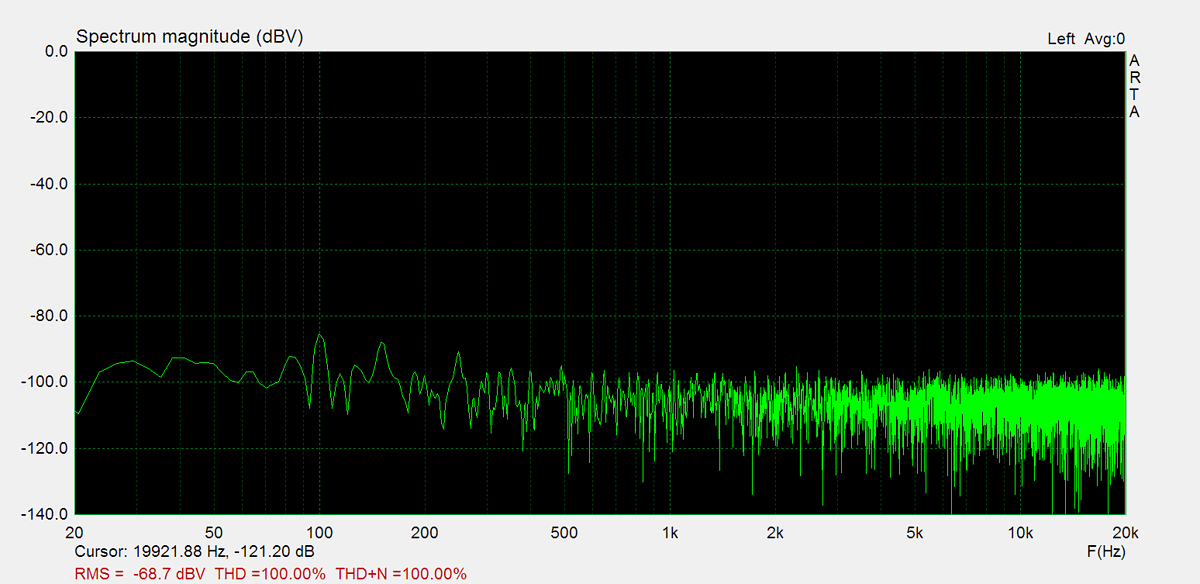
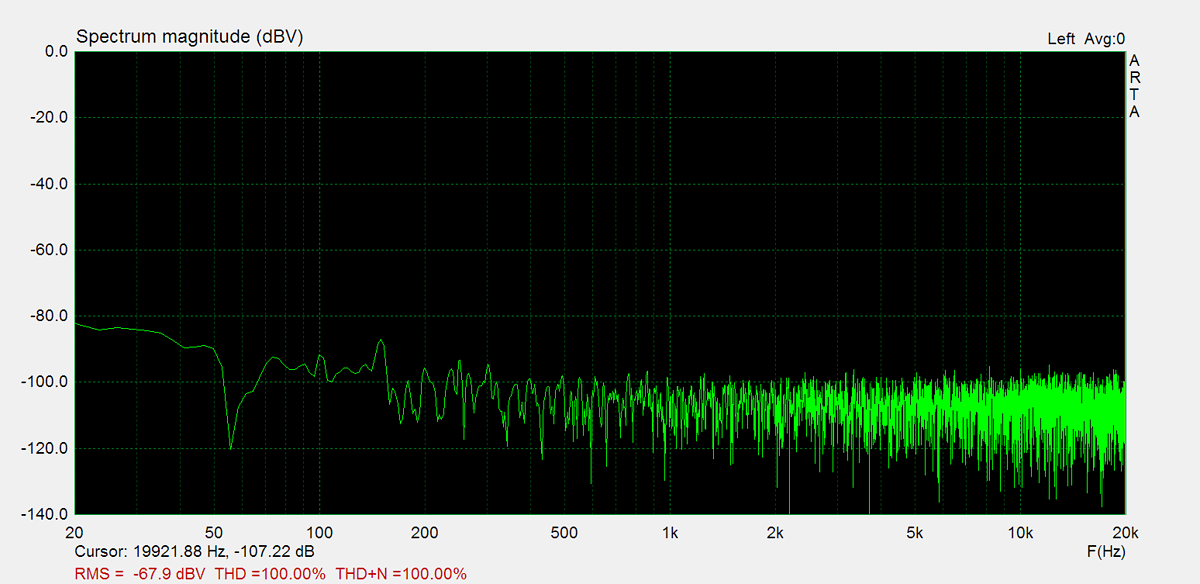
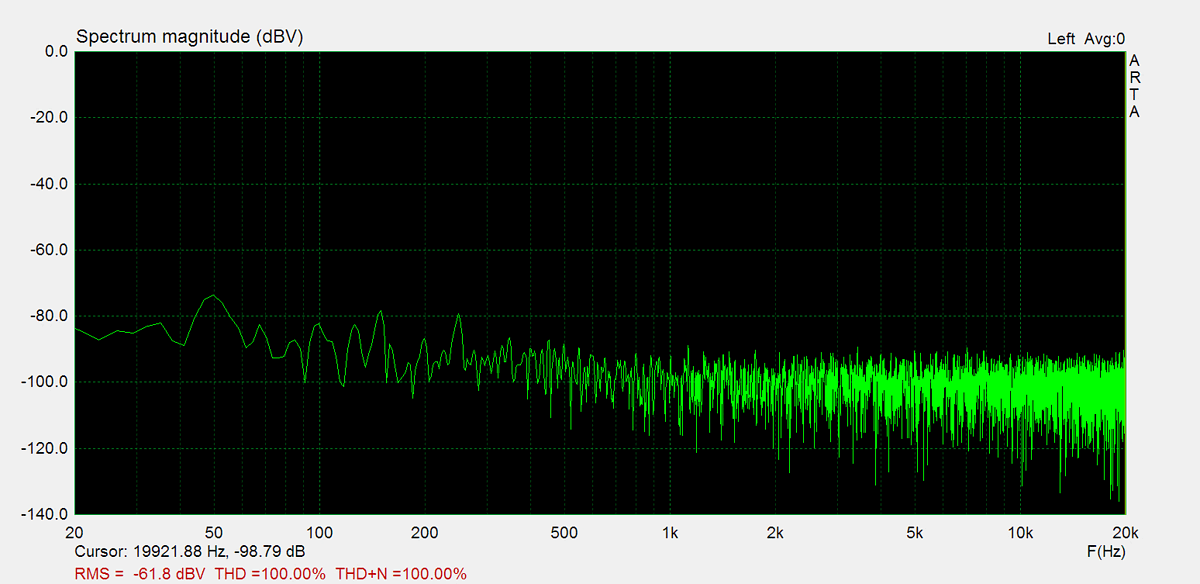
Residual Noise
These graphs display the noise levels at various volume positions. To eliminate any interference from the input signal, the input lines are shorted during the measurement. Generally, the noise is highest at the mid-point of the volume range (50%)
Distorsion
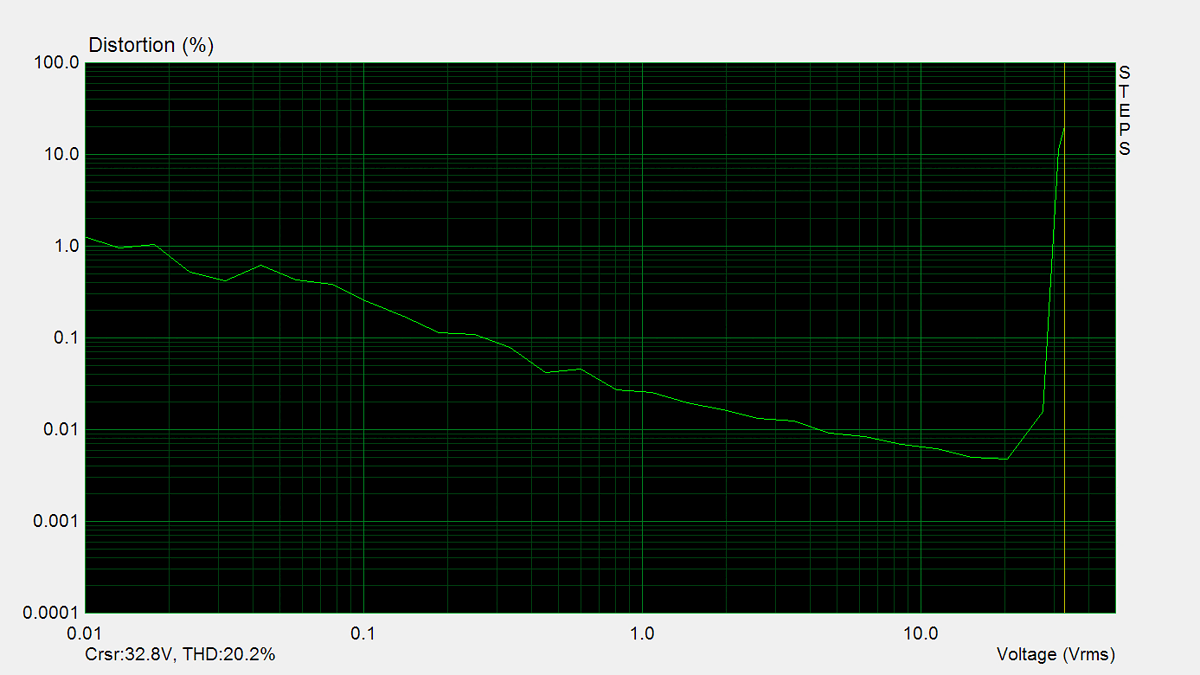
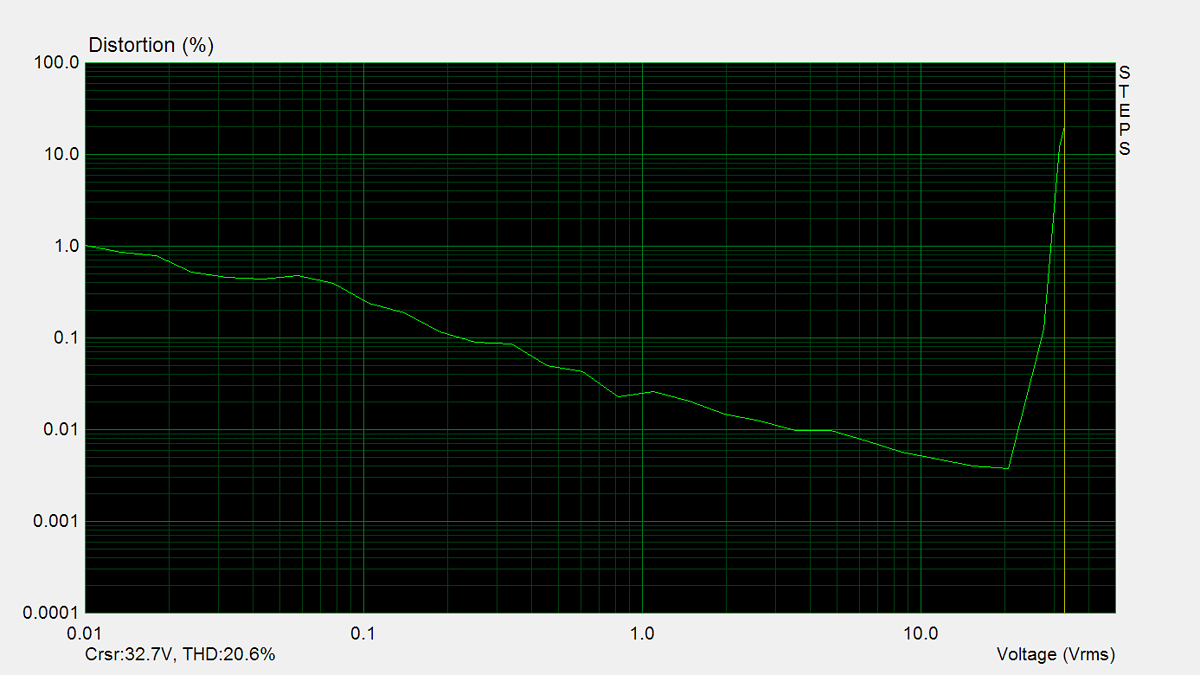
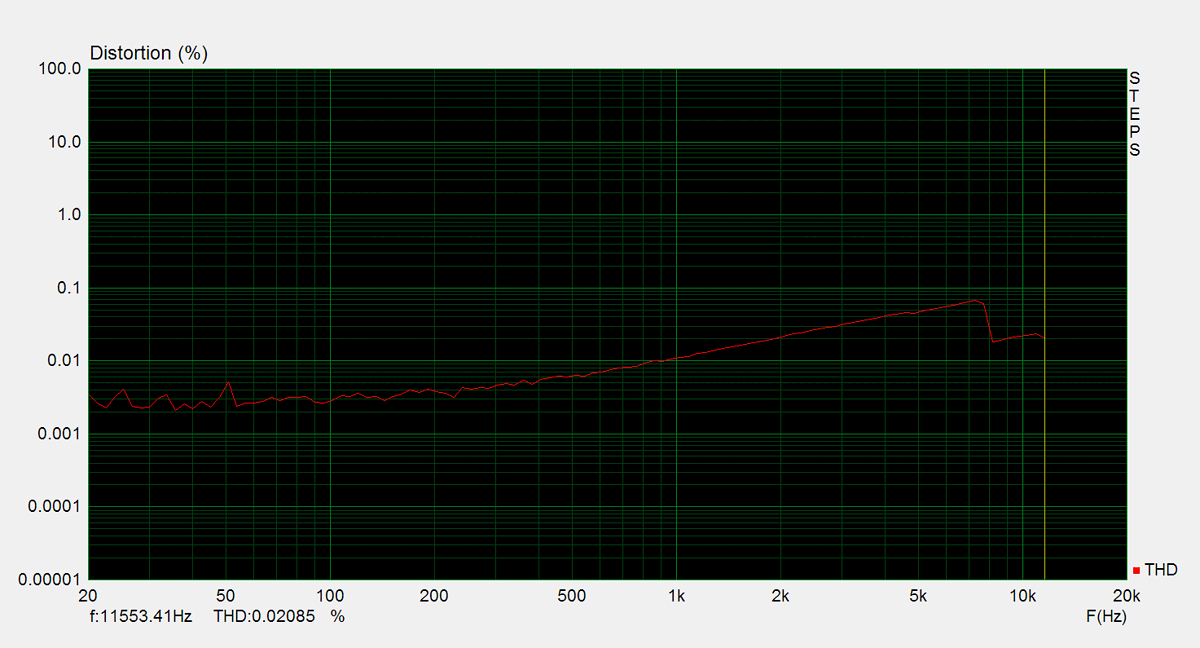
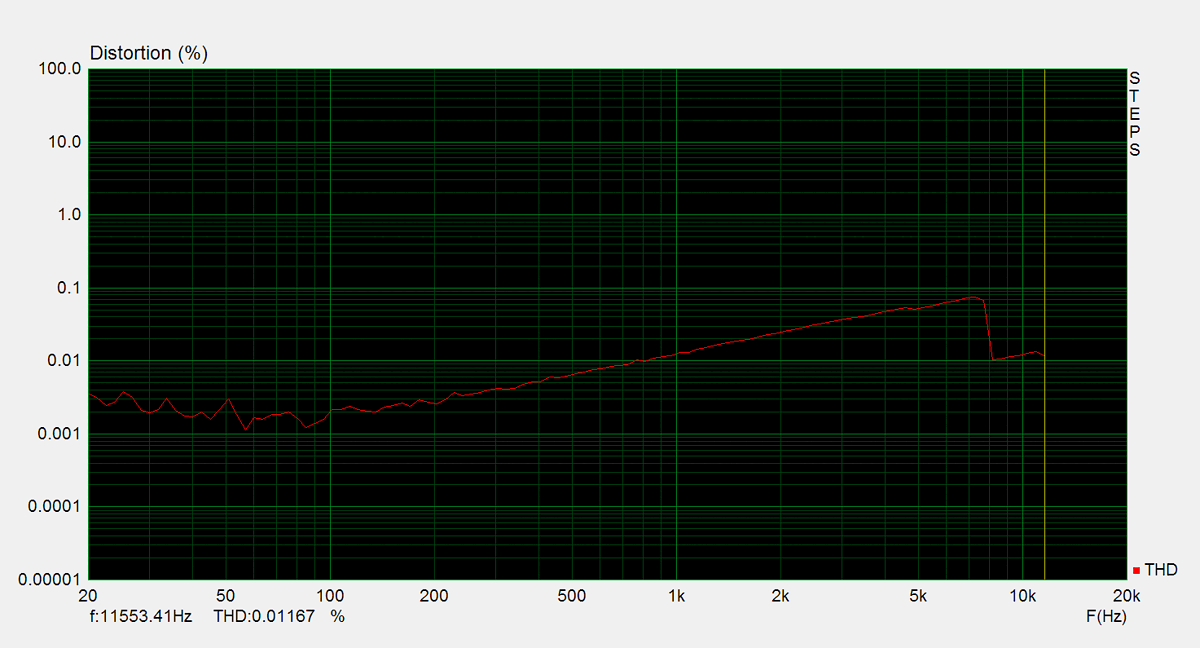
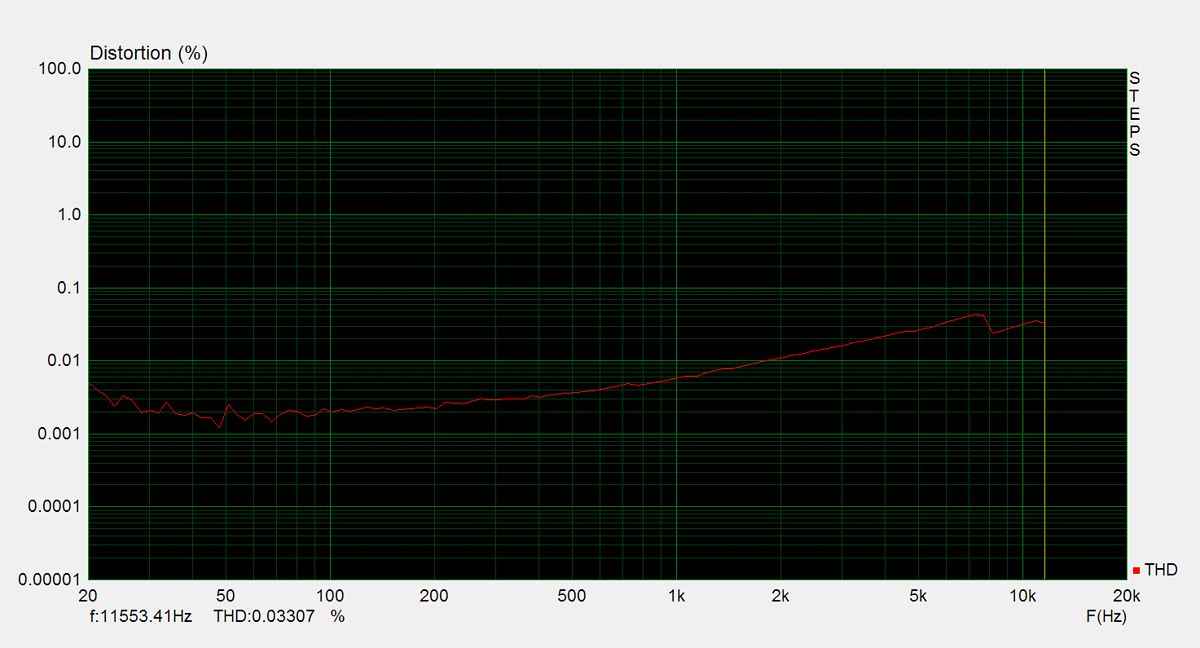
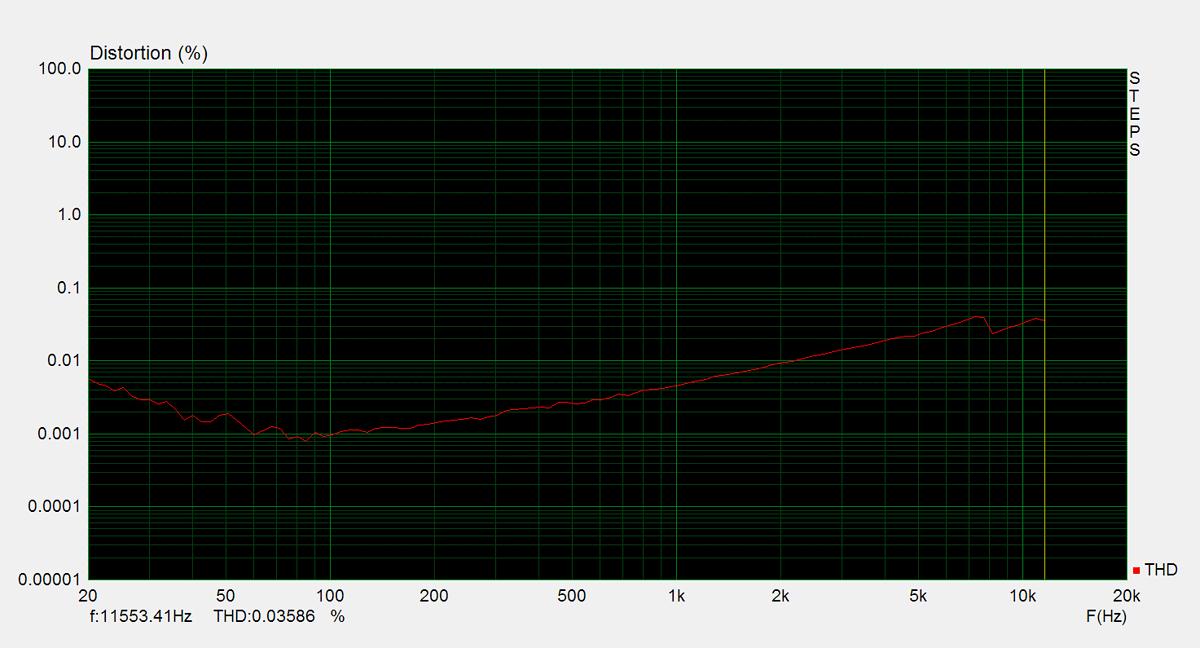
Total harmonic distortion (THD) is measured using a 1kHz sine wave input, with the output level adjusted to meet different conditions. Intermodulation distortion (IMD) is measured using 'two sine' input signal. THD versus voltage is measured with a 1kHz sine wave input, while THD versus frequency is measured at various output levels.