Yamaha AX-892
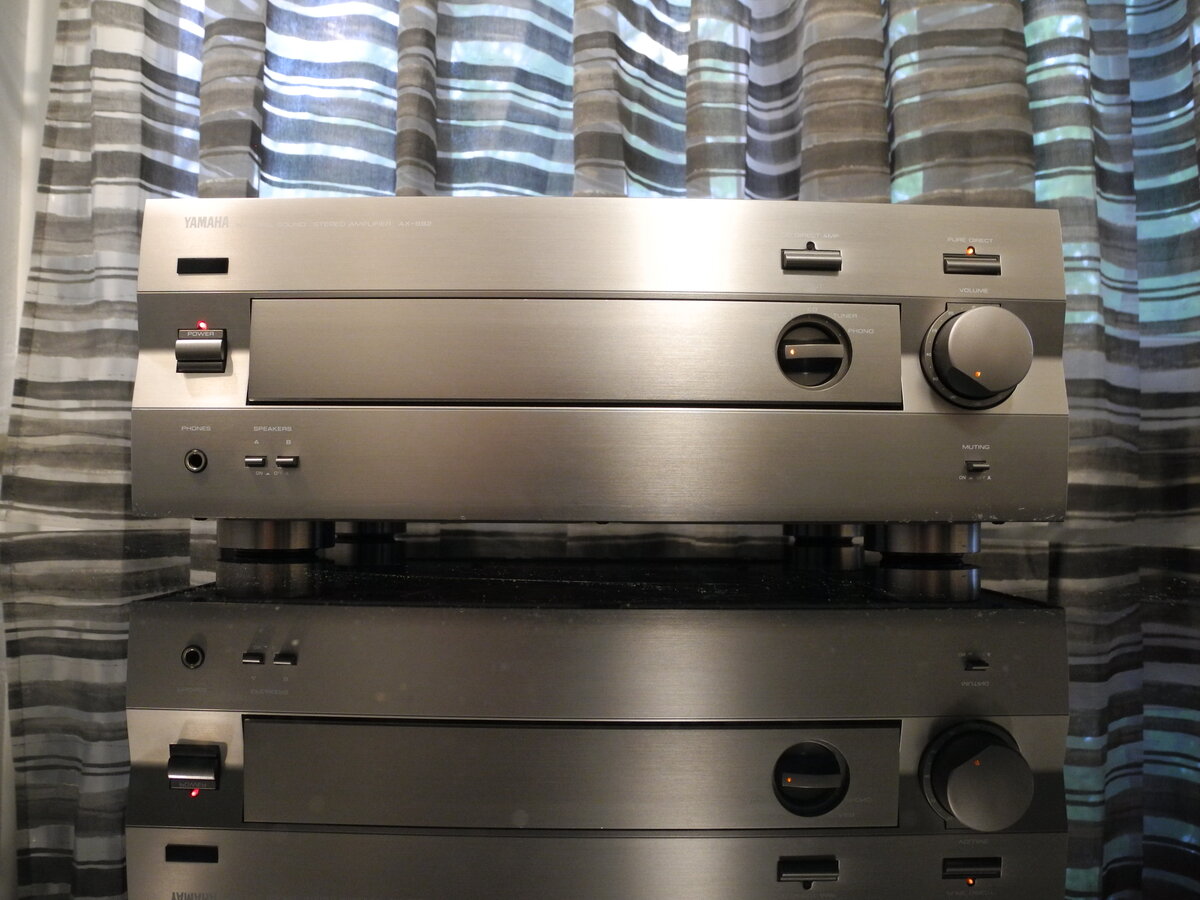
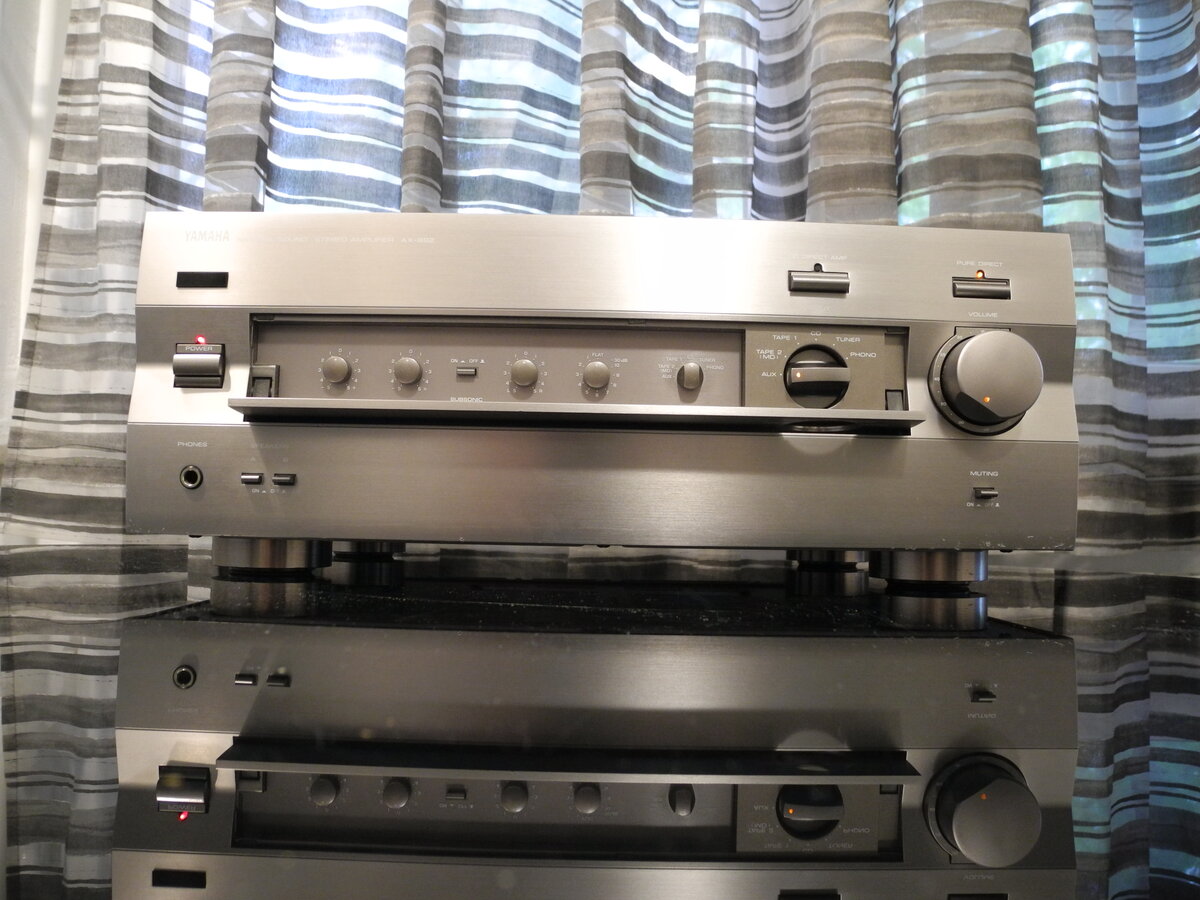
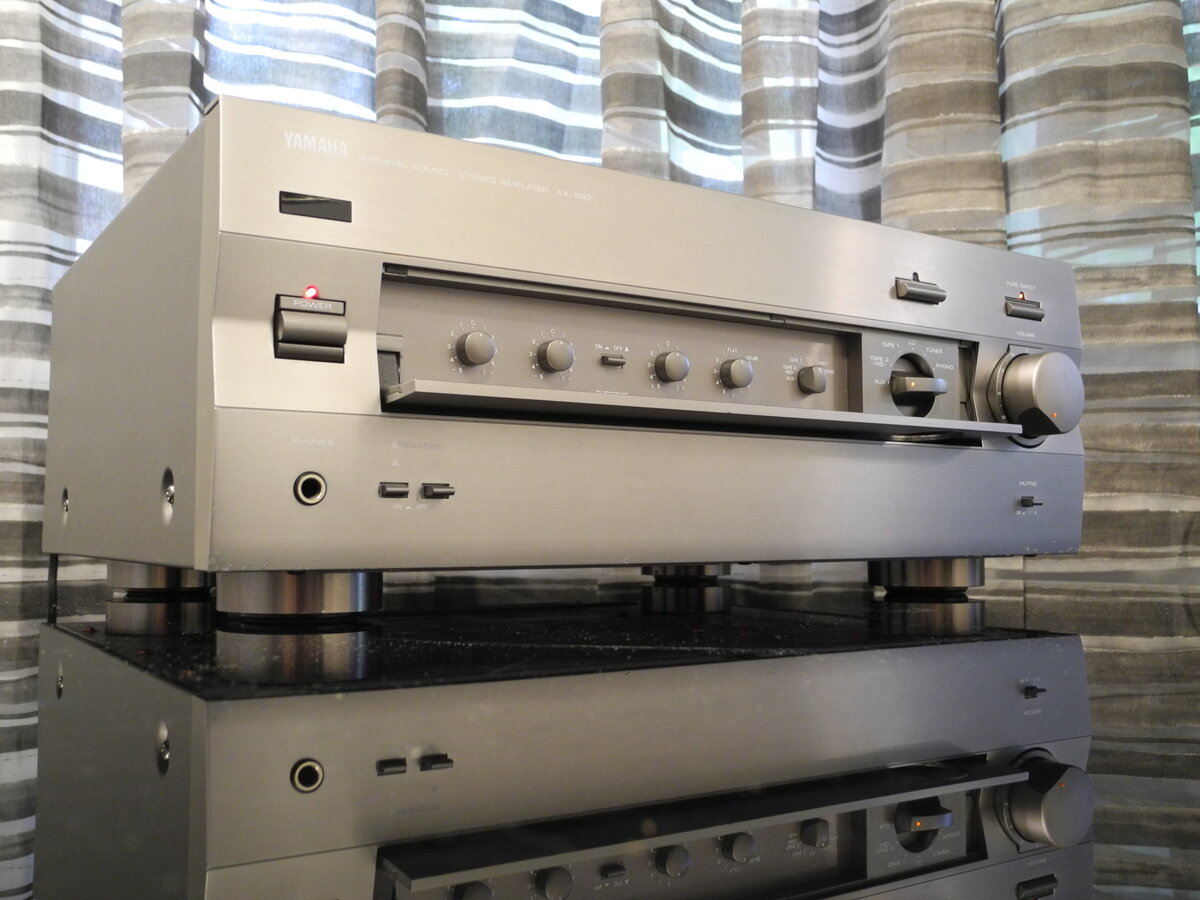
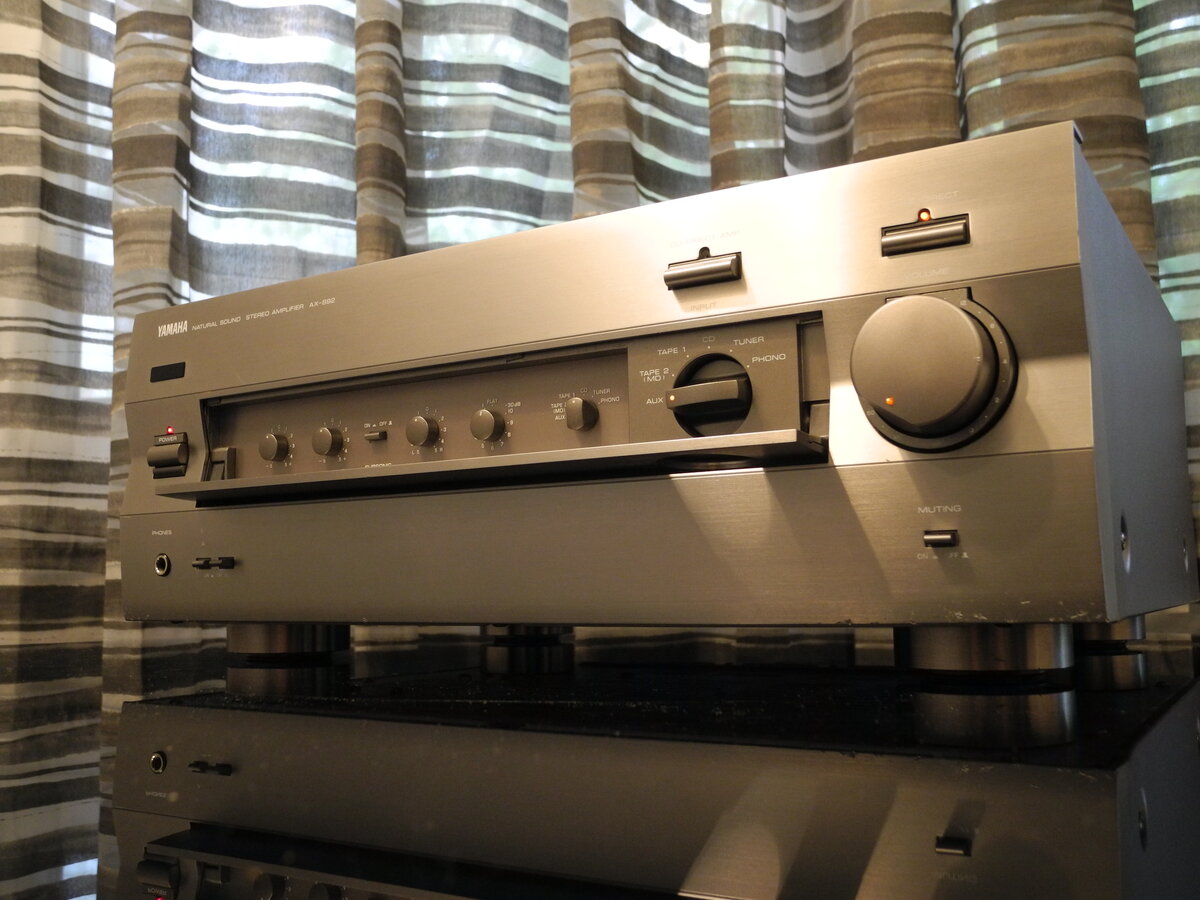
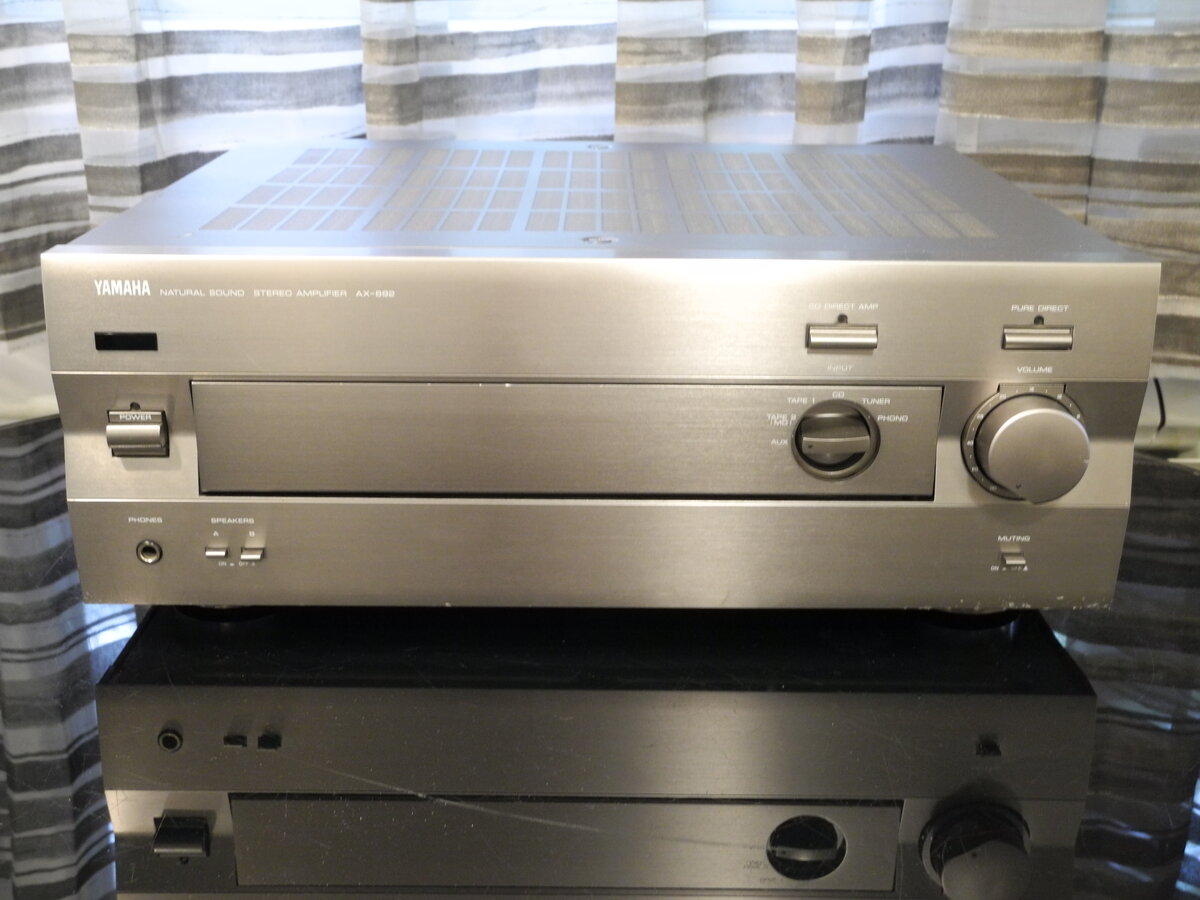
The Yamaha AX-892 is an integrated amplifier from the late 1990s. It is the top model in the series, offering higher output power and additional features compared to the lower models, AX-492 and AX-592.
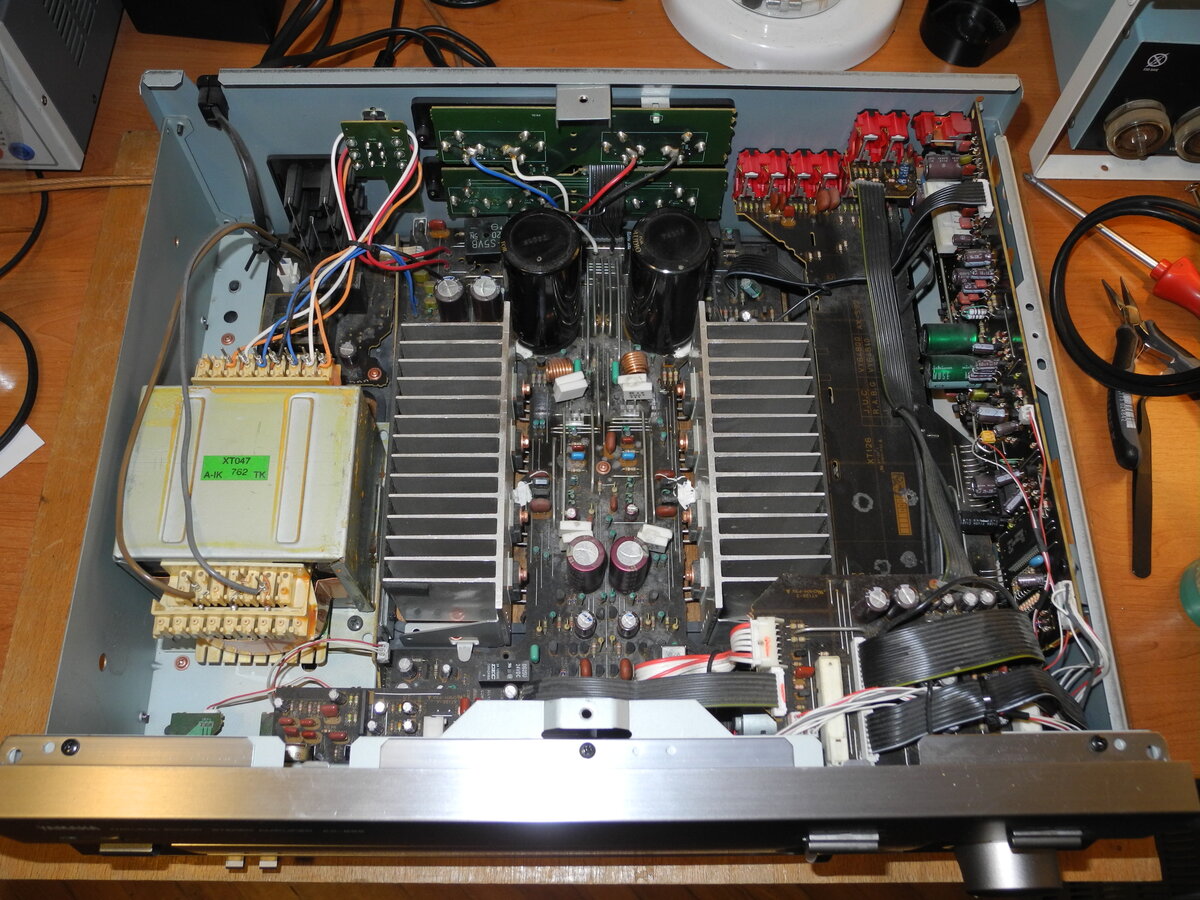
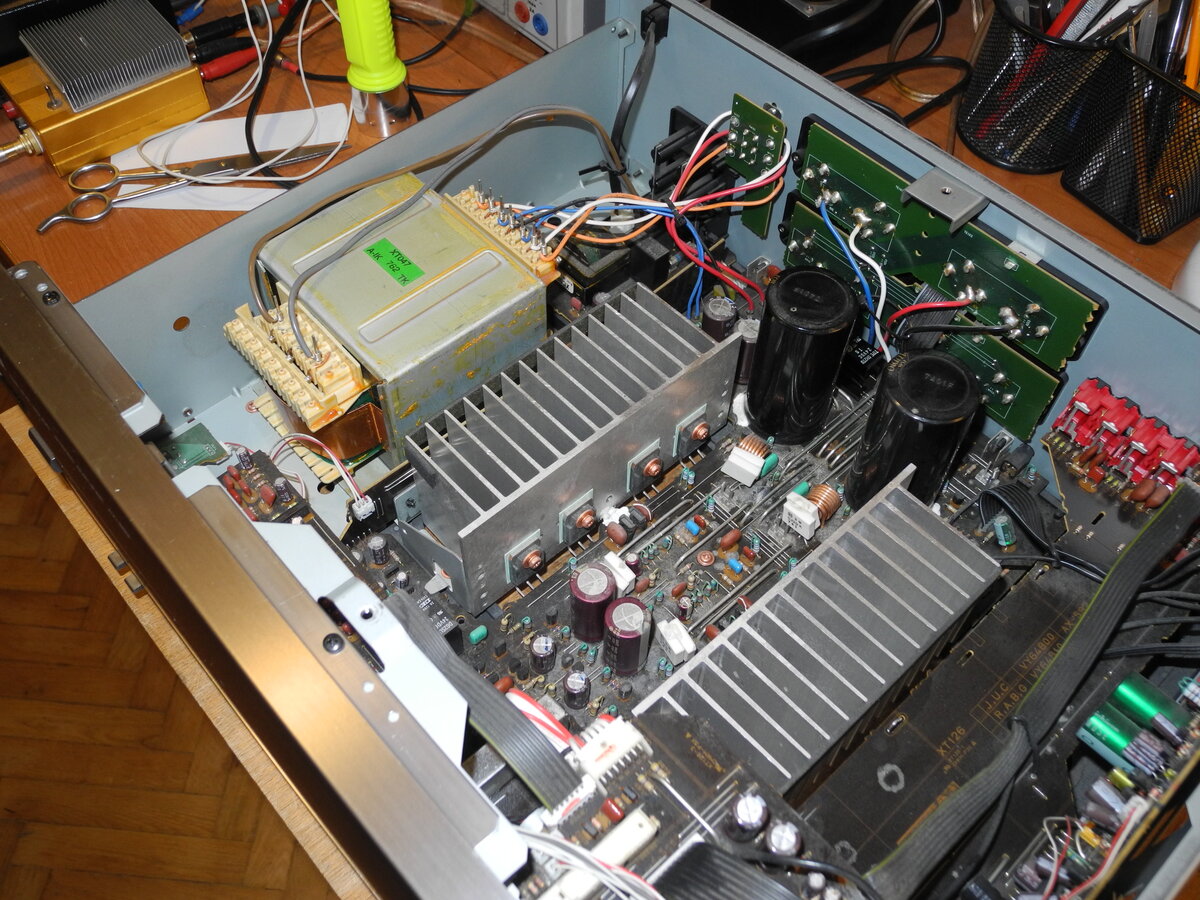
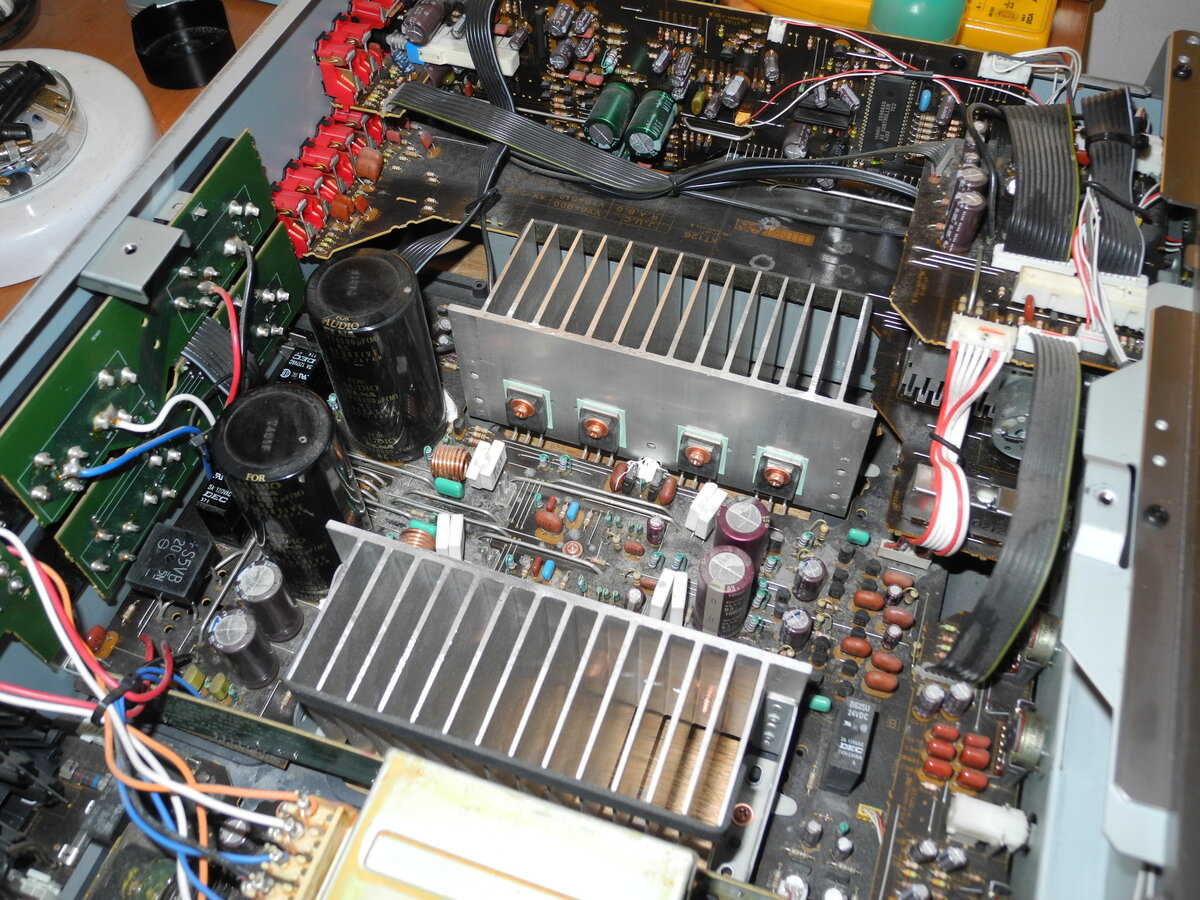
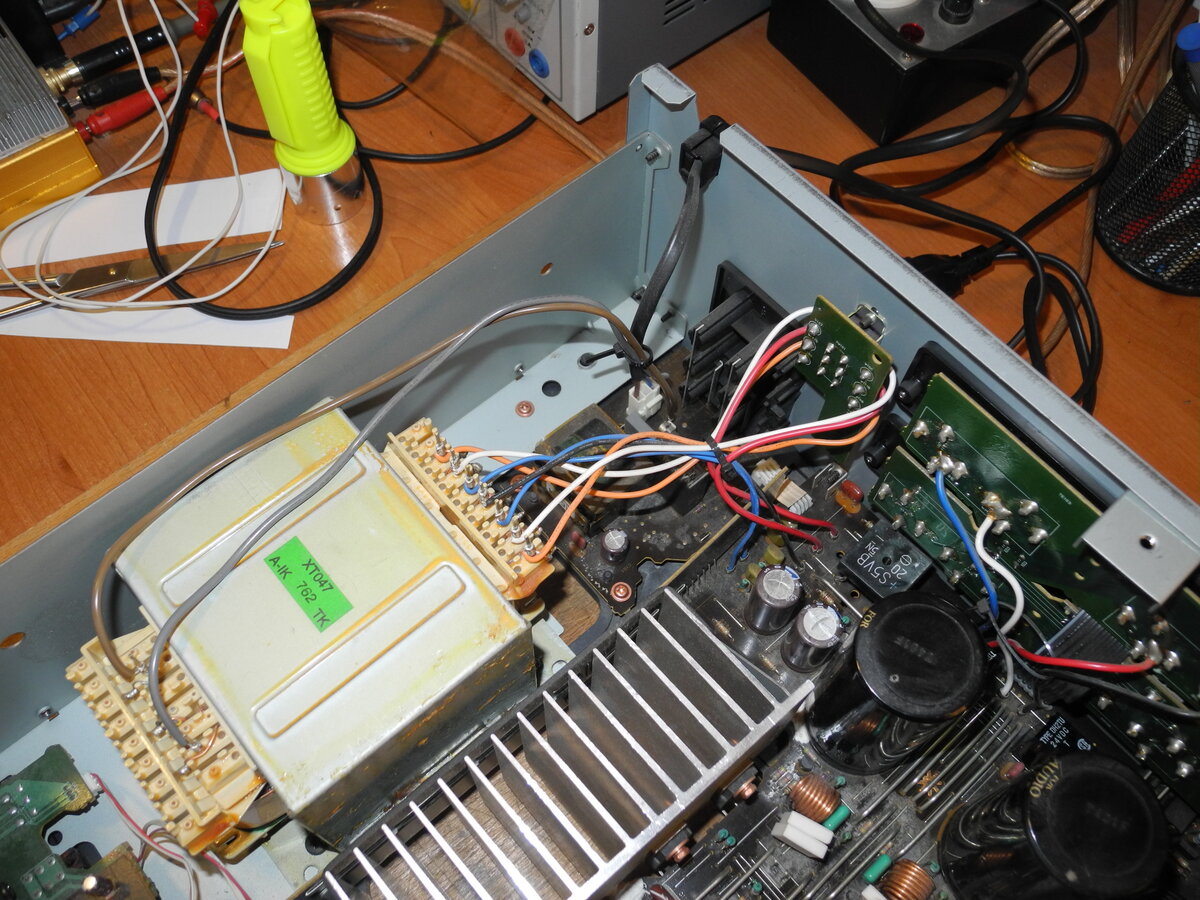
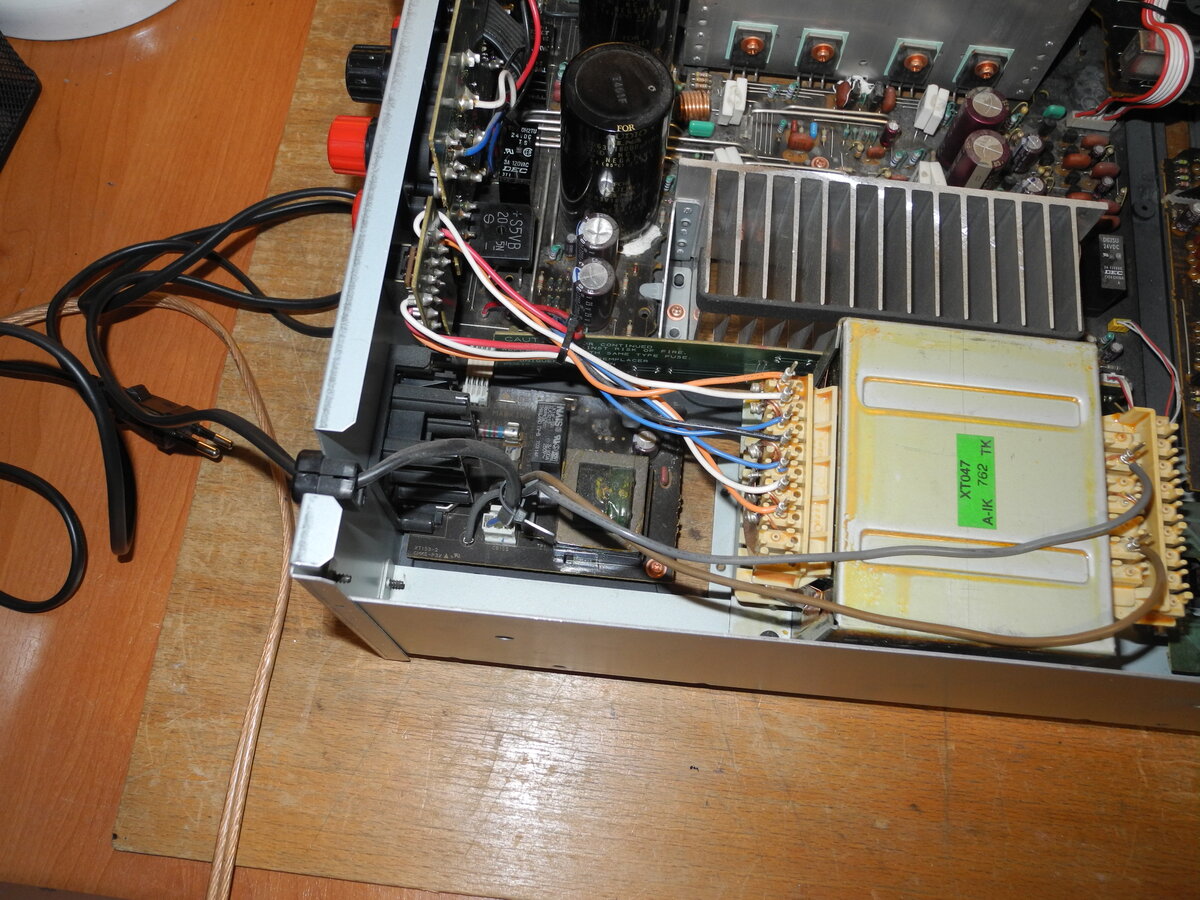
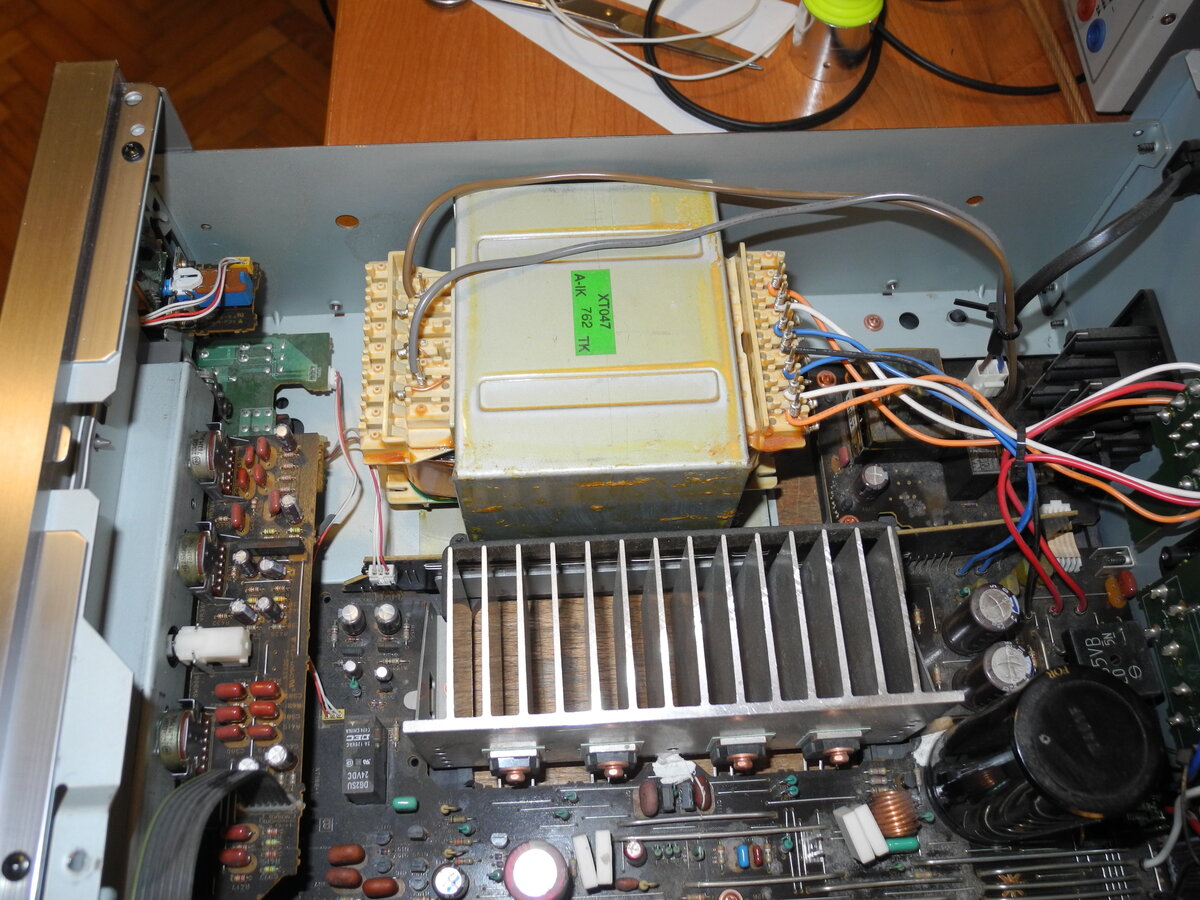
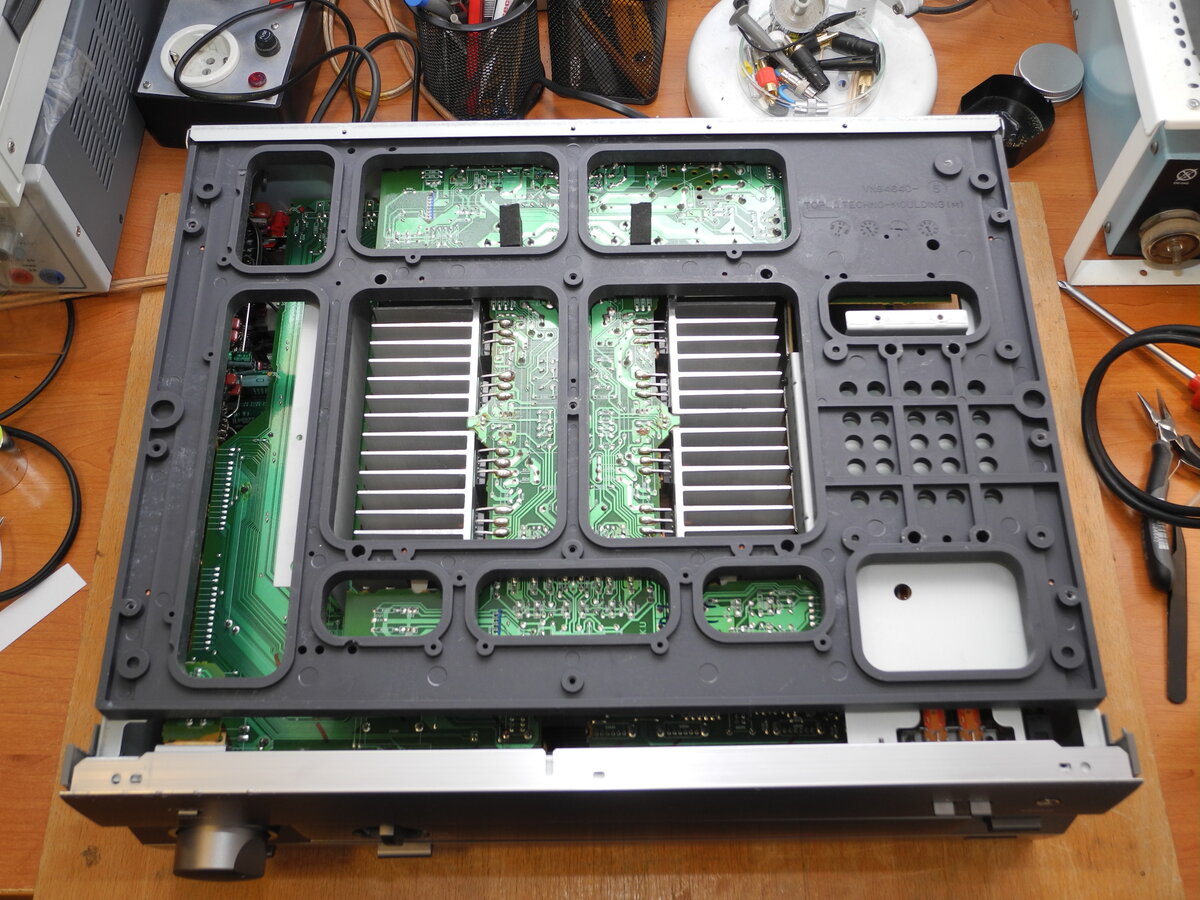
The power supply is supported by large 18000µF capacitors, providing enough energy for stable operation under demanding conditions. A separate standby power supply keeps the control circuitry active, allowing the CPU to switch the main power on when required.
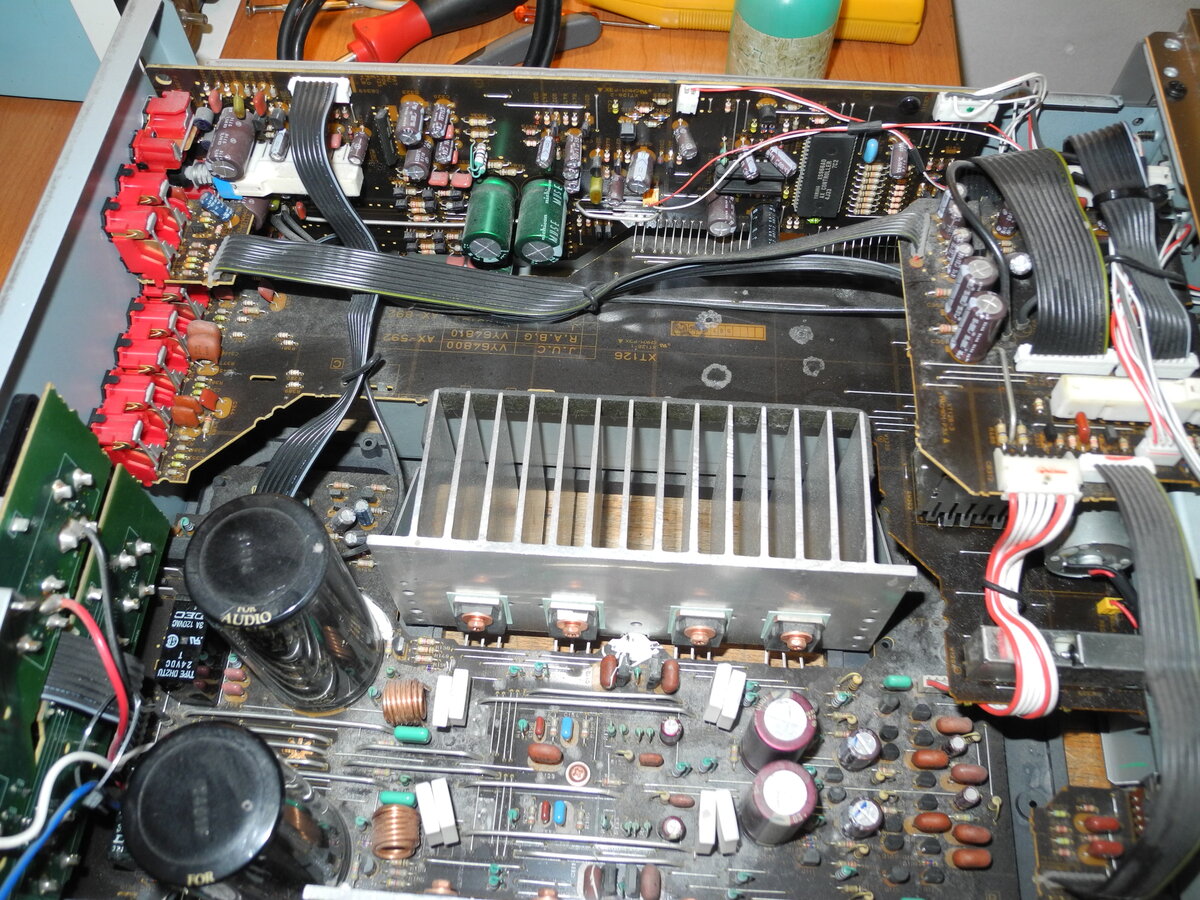
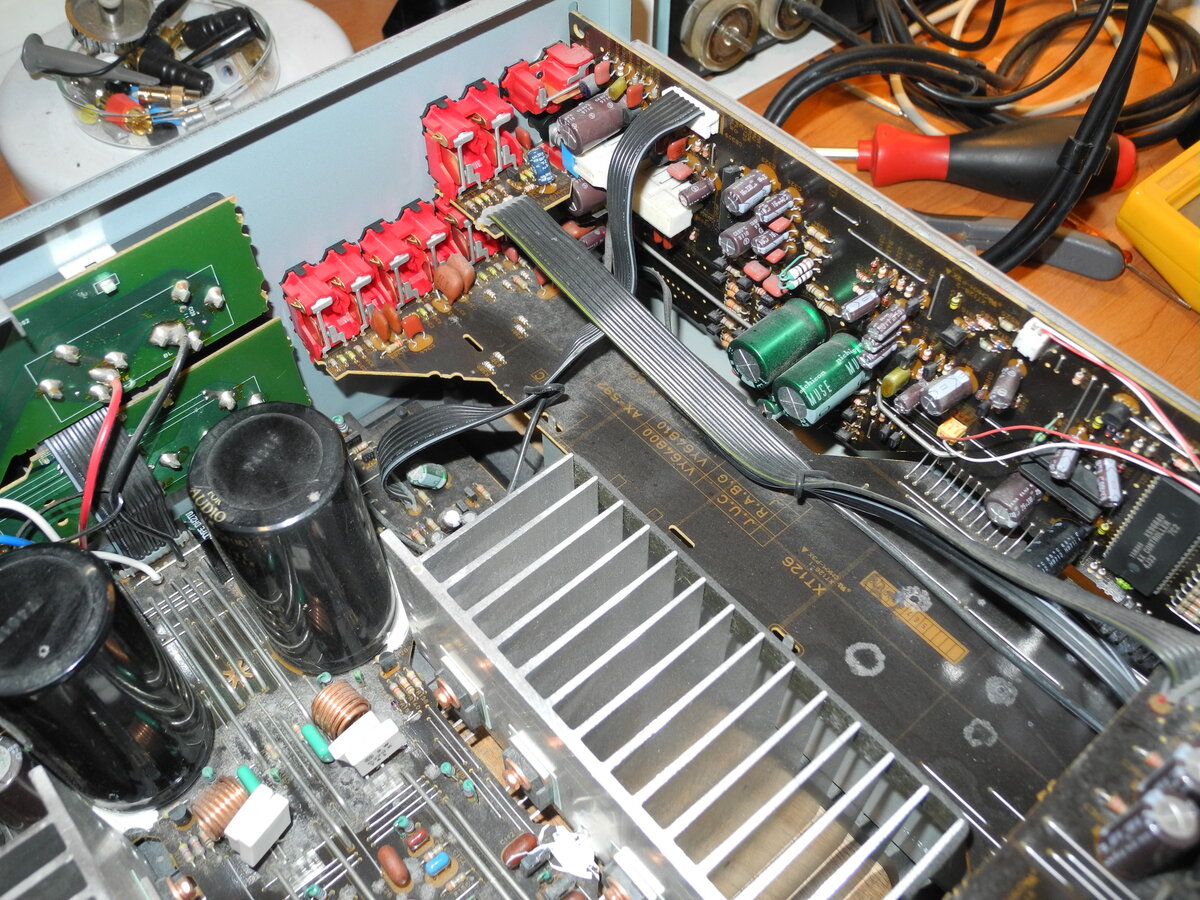
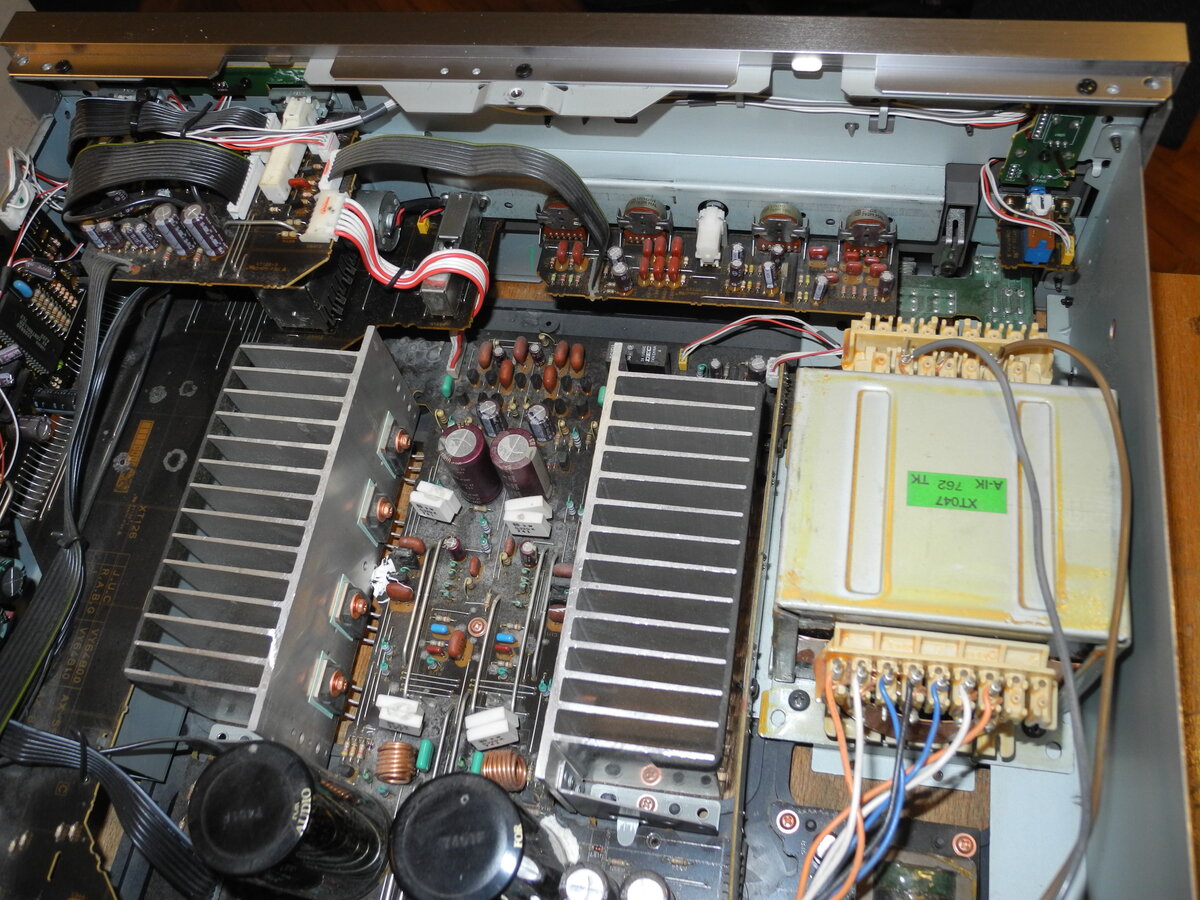
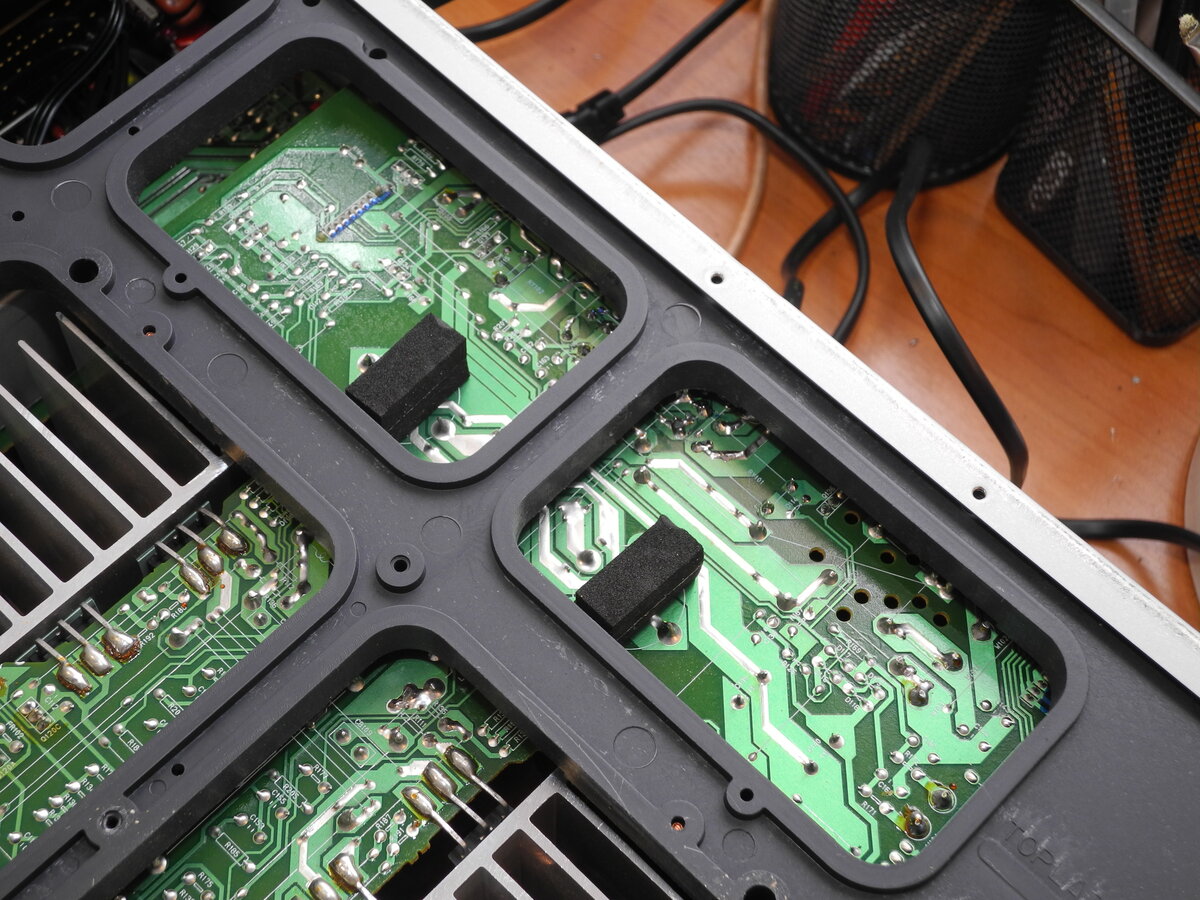
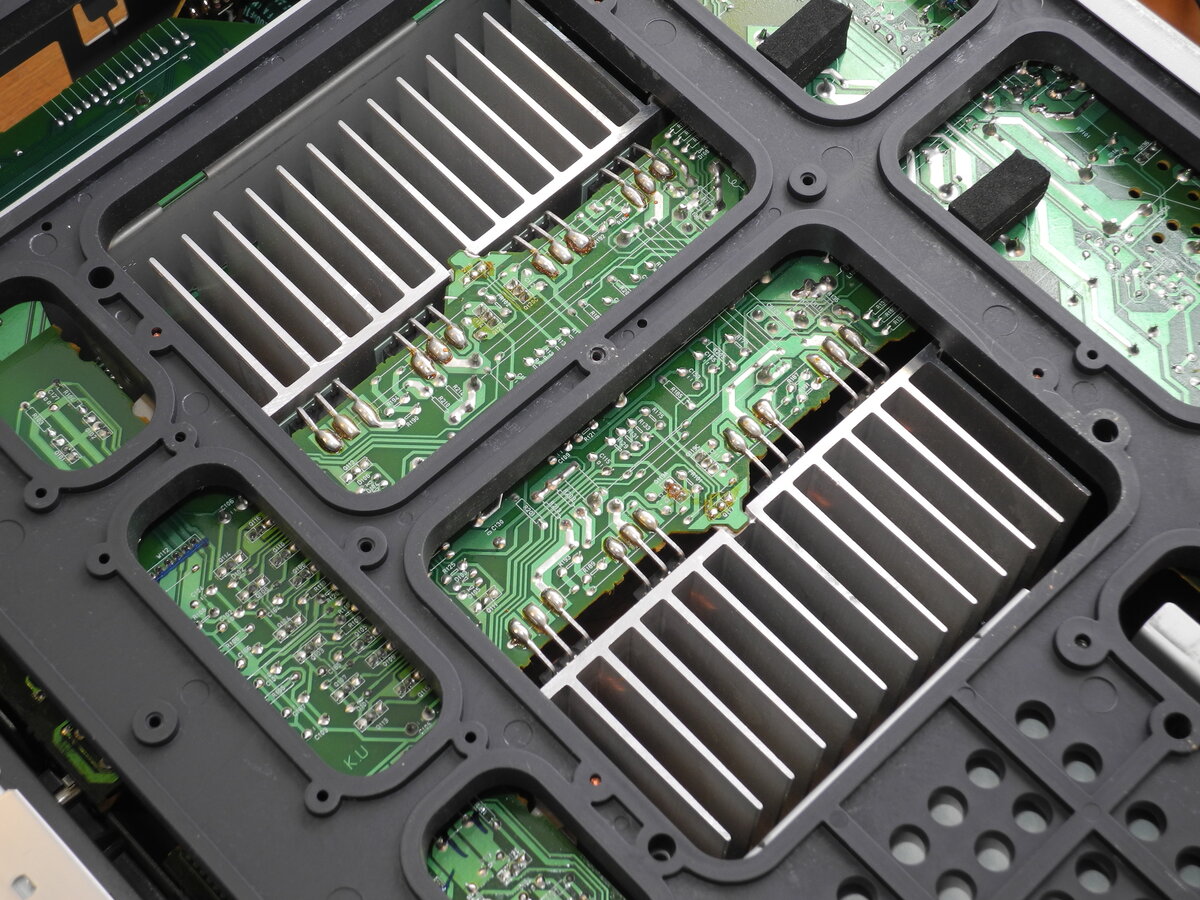
The output stage uses four power transistors per channel (2SC4468 and 2SA1695), arranged in a push-pull emitter follower configuration. This Class AB design ensures efficient power delivery and low distortion. Each speaker channel has its own protection relay, reducing both the number of contacts and the length of the signal path.
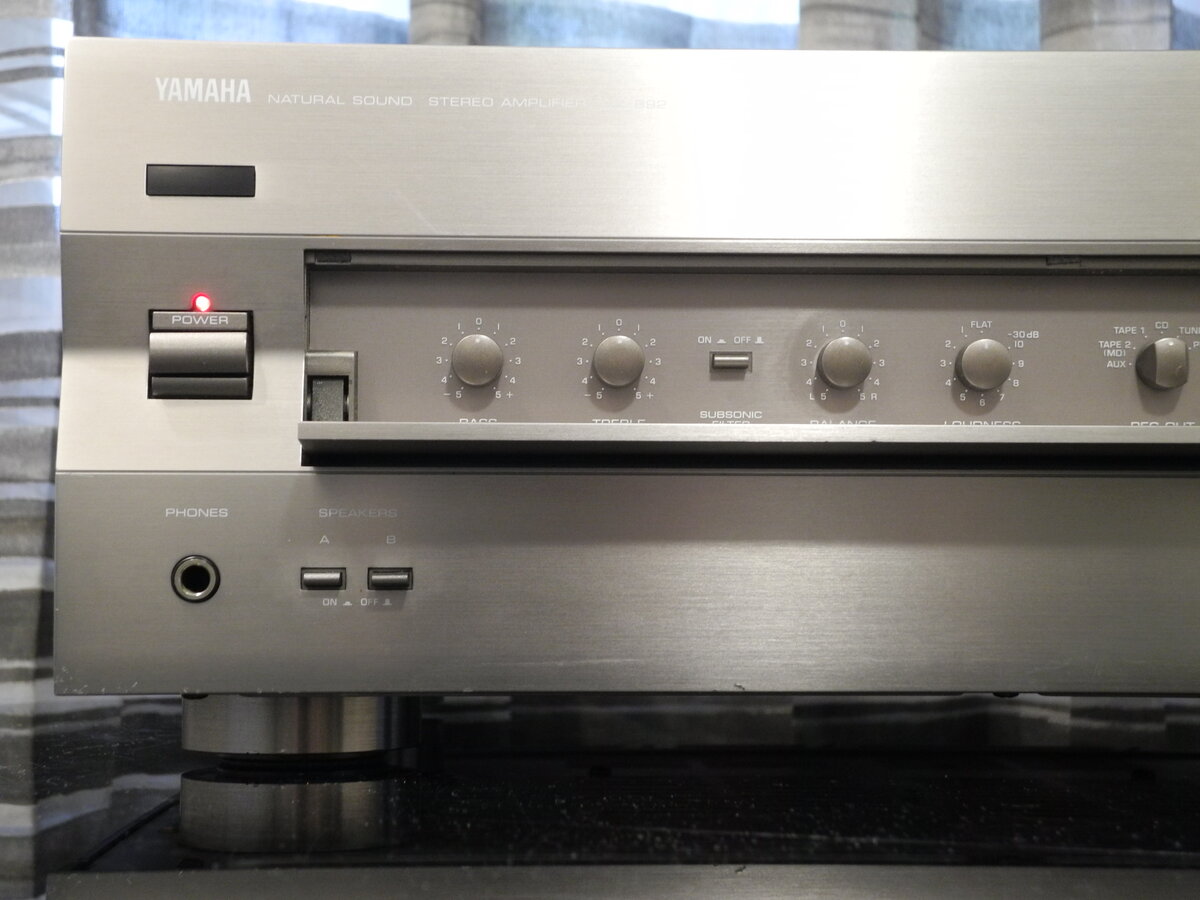
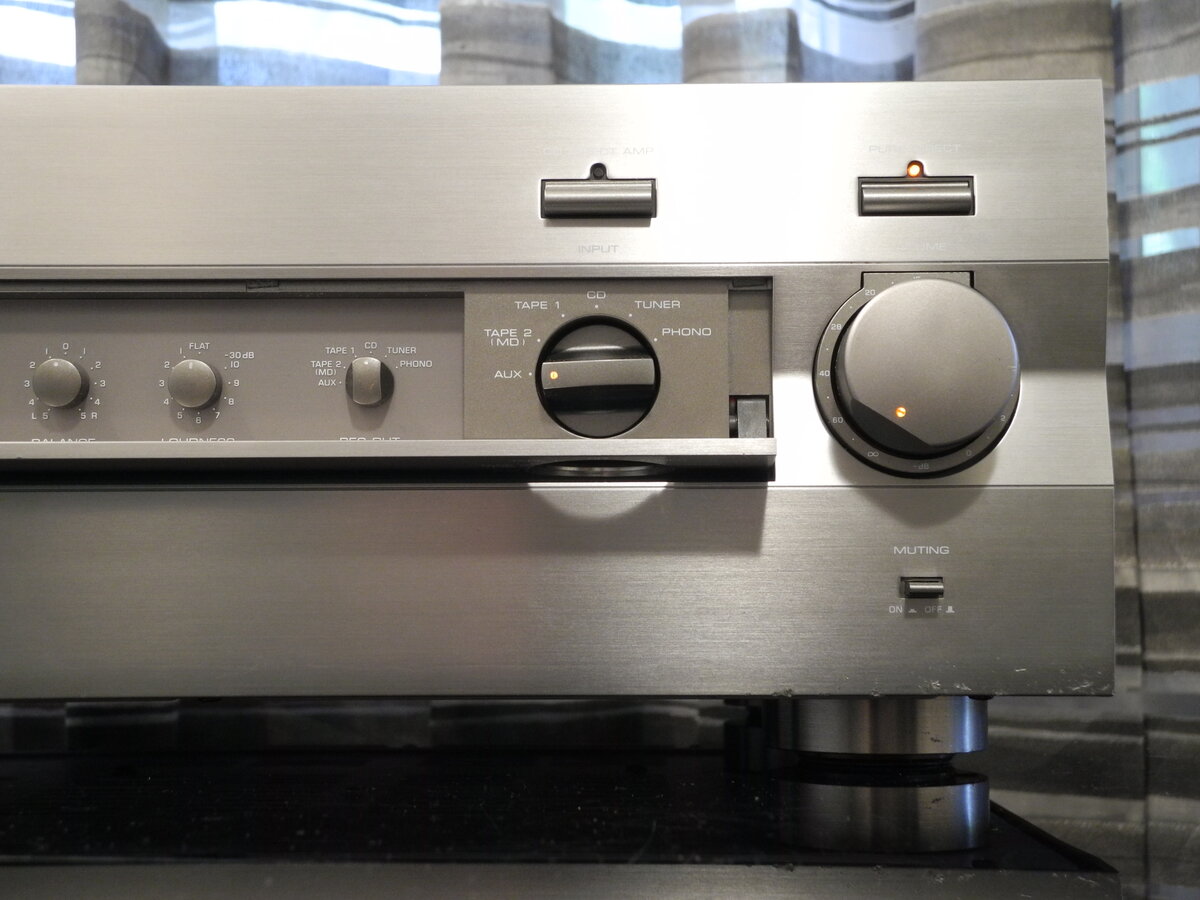
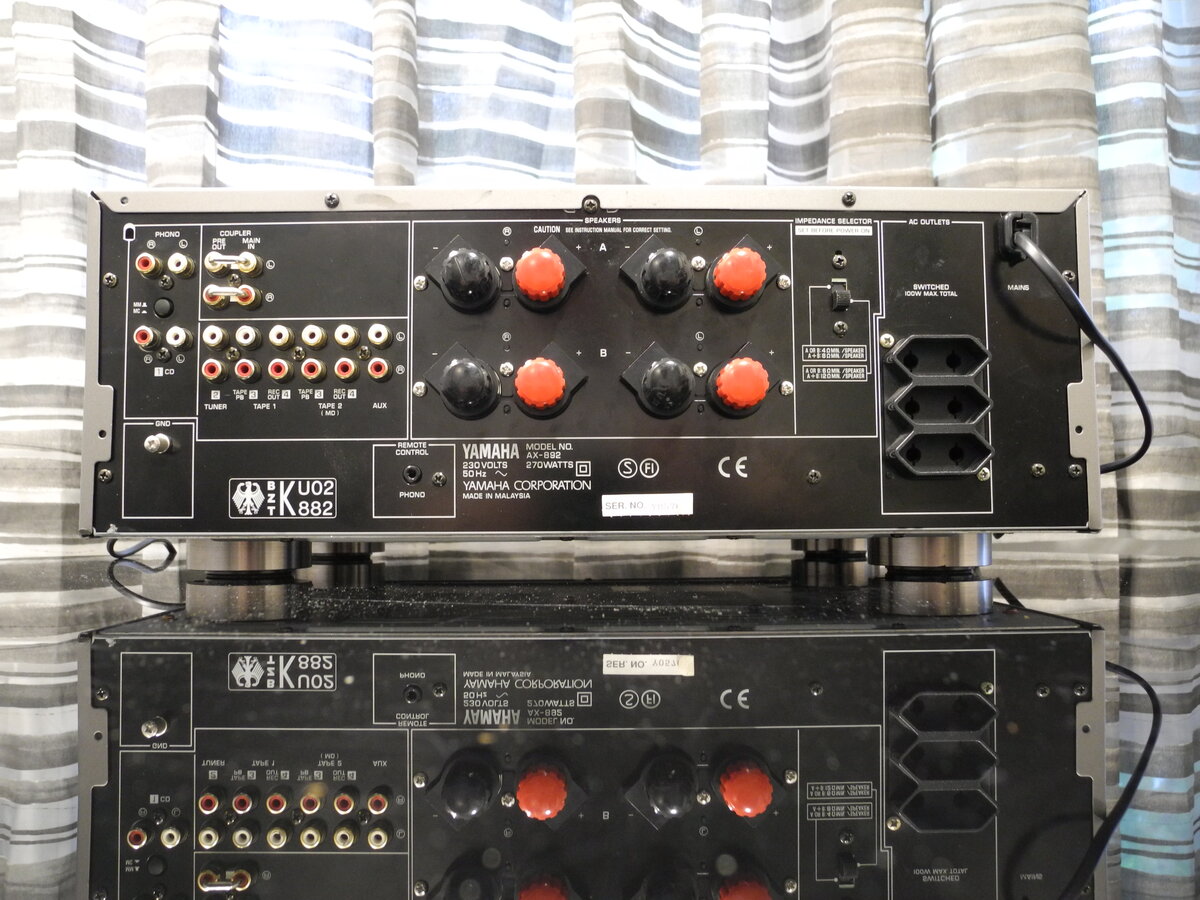
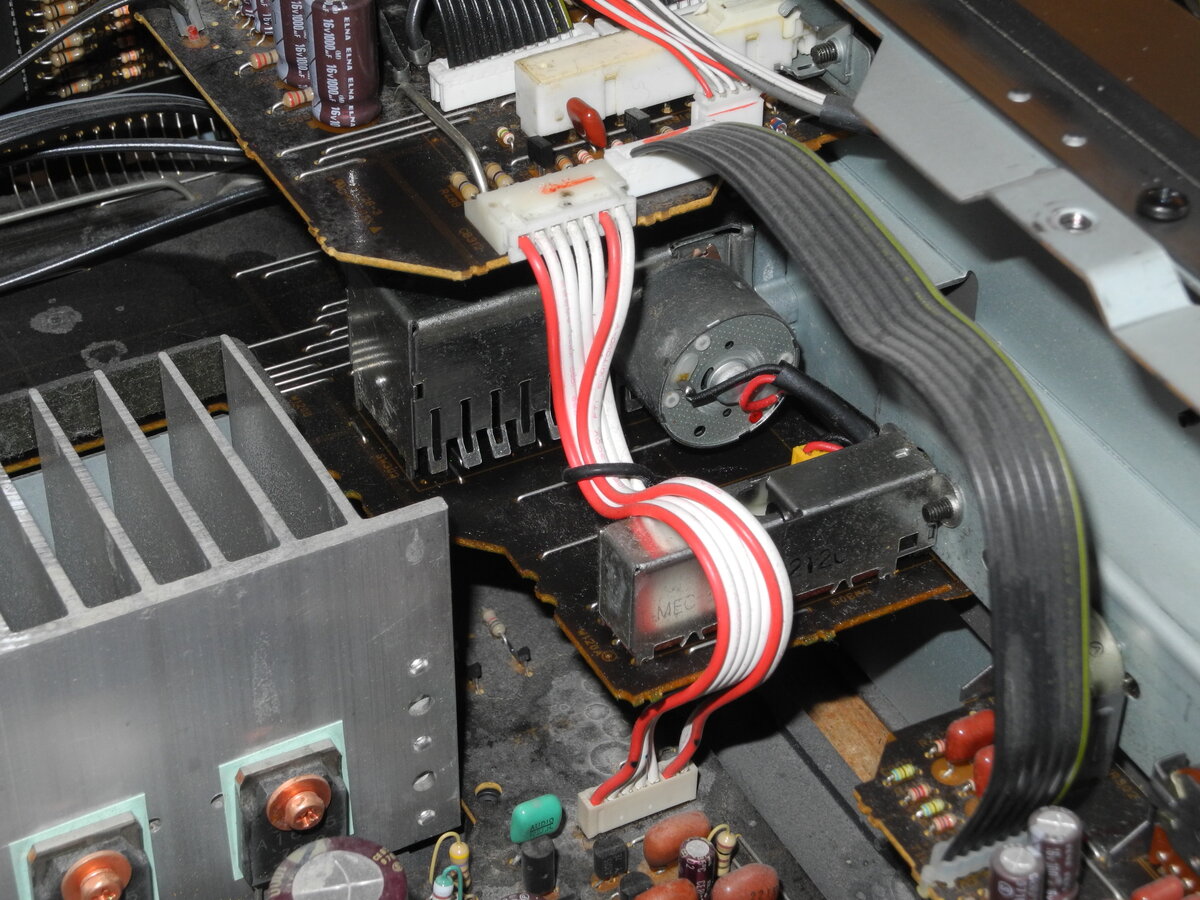
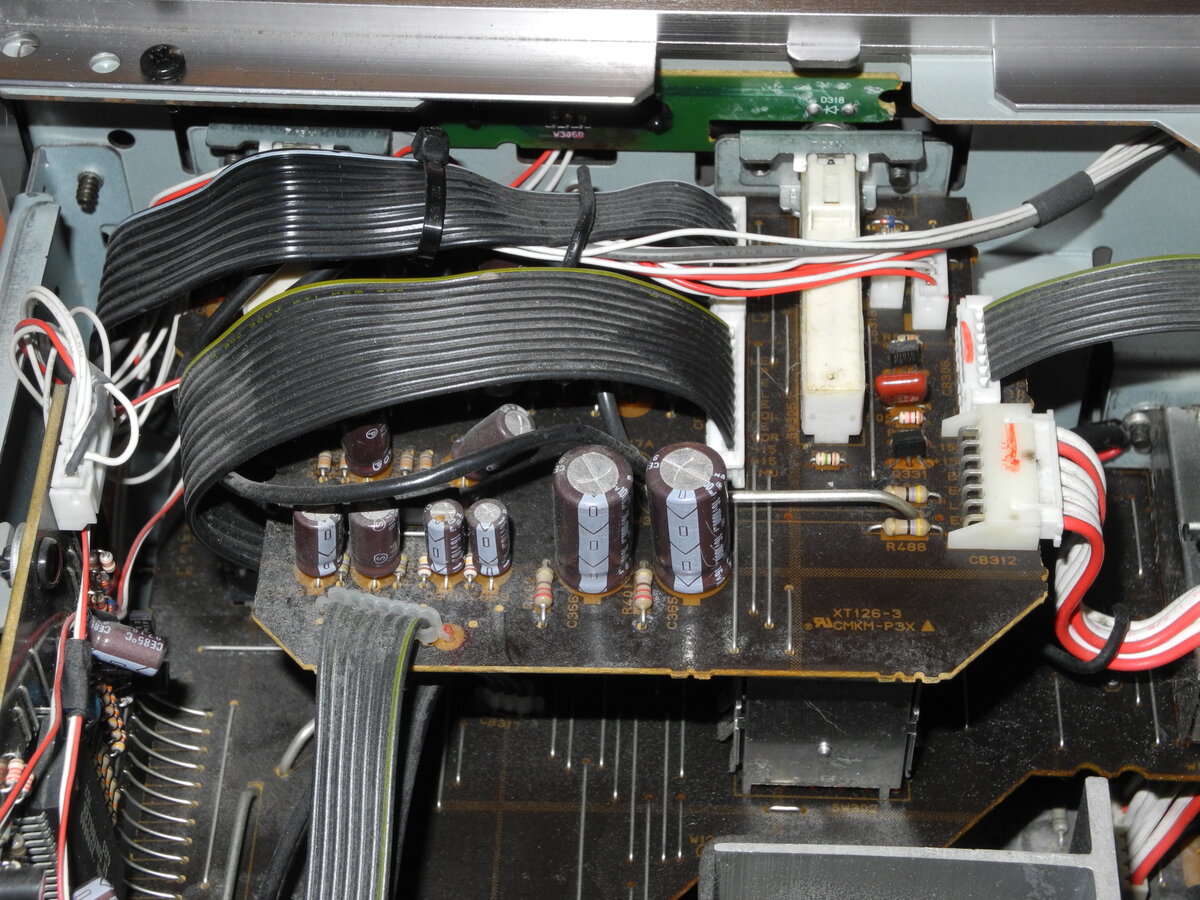
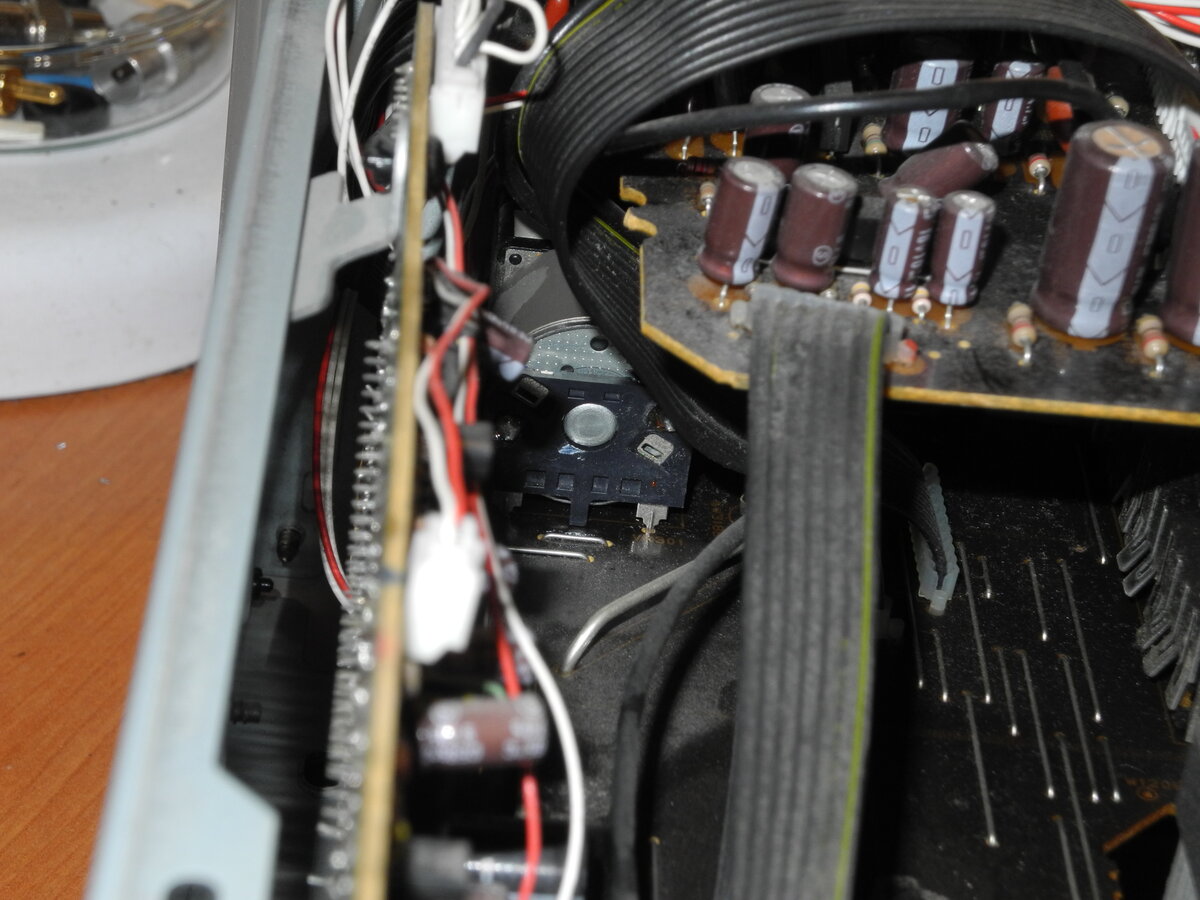
The unit features a motorized volume potentiometer and a motorized input selector, allowing convenient remote operation. A Pure Direct mode is also included, bypassing the tone control circuitry for a cleaner signal path. The amplifier has Yamaha's variable loudness control, a feature that some users do not favor compared with the fixed loudness option. The phono stage supports both MM and MC cartridges, adding flexibility for vinyl playback.
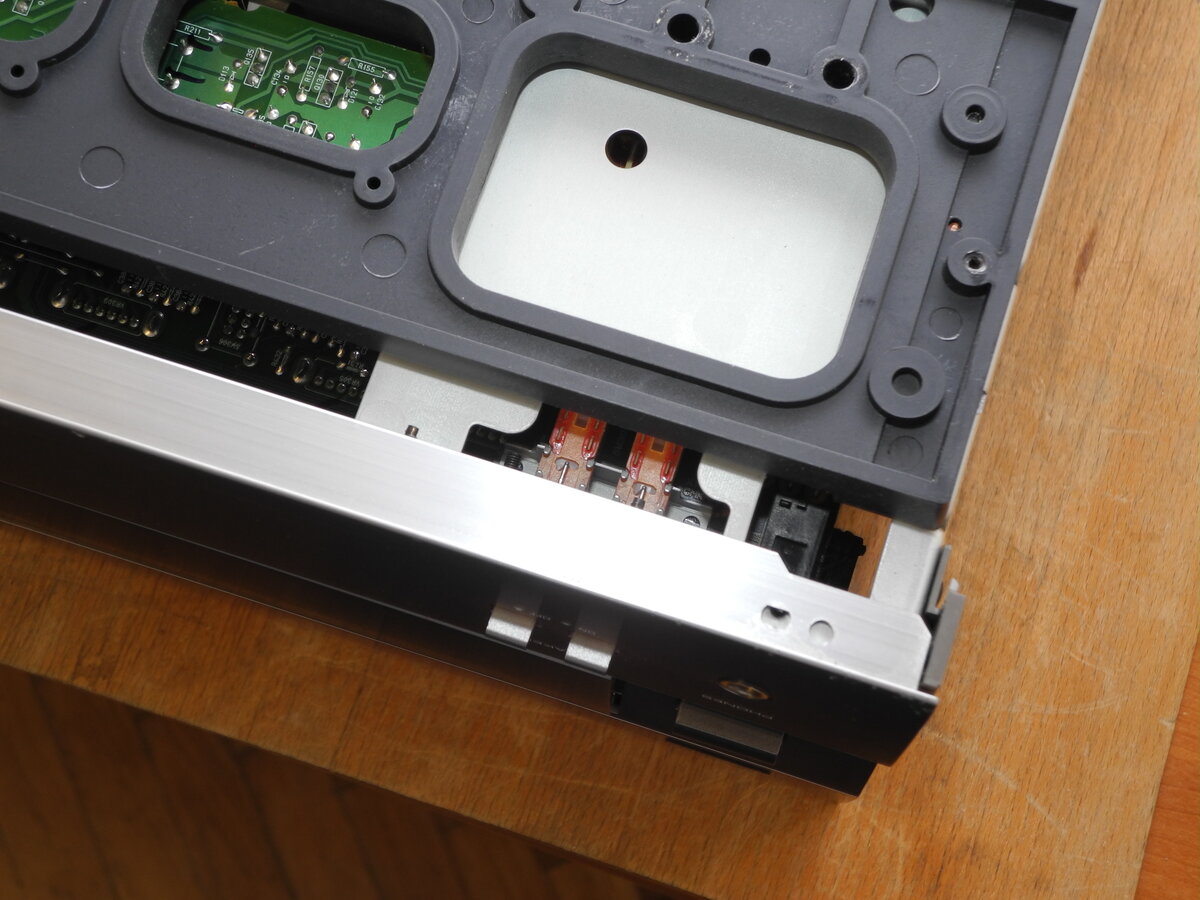
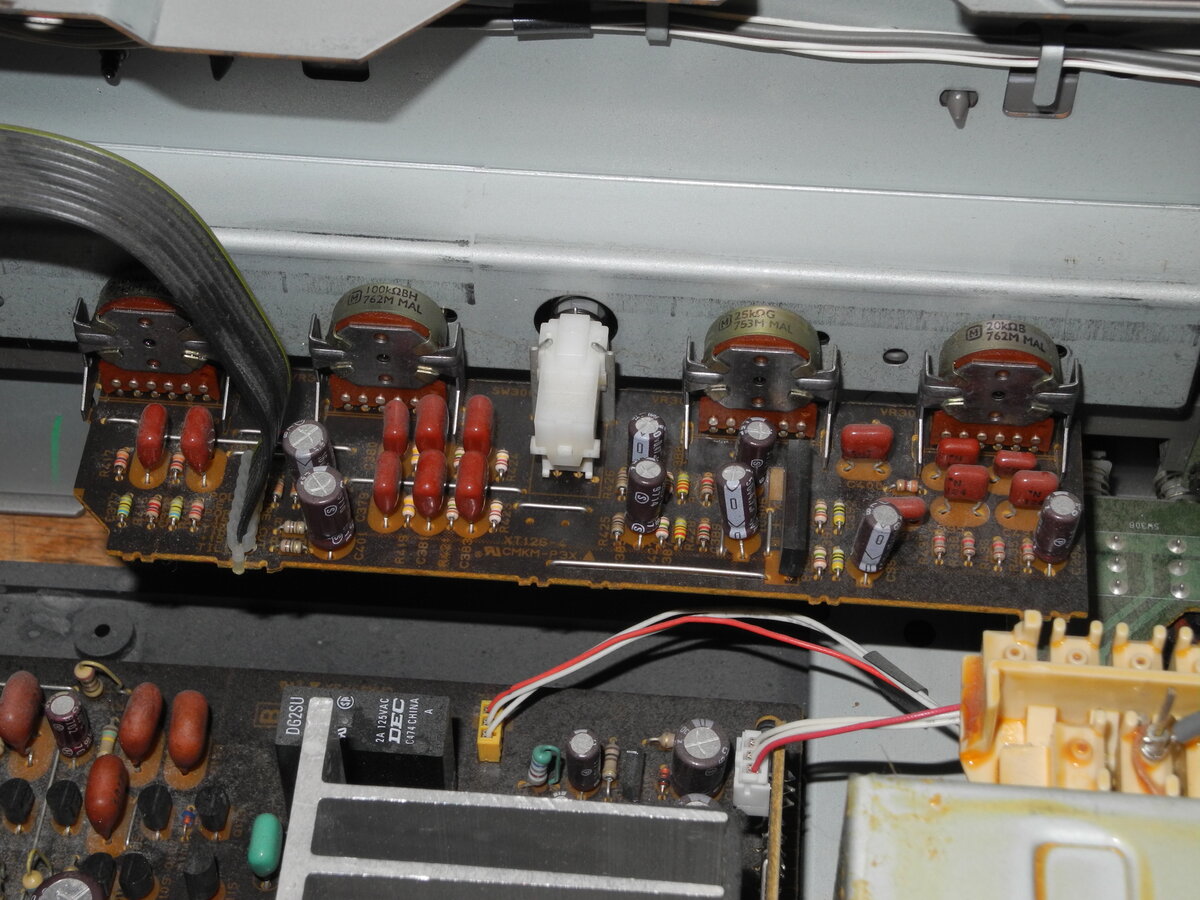
Build quality is robust, with large speaker terminals and a solid chassis. The front panel has a distinctive silver, titanium-like finish. Tone controls are discreetly placed behind a front panel door, although their small size can make adjustments slightly less convenient.
The Yamaha AX-892 delivers a neutral and precise sound with well-defined, authoritative bass. The overall presentation is clean and transparent, favoring accuracy over coloration.
Manufacturer: Yamaha
Status: Active company
Official website: yamaha.com
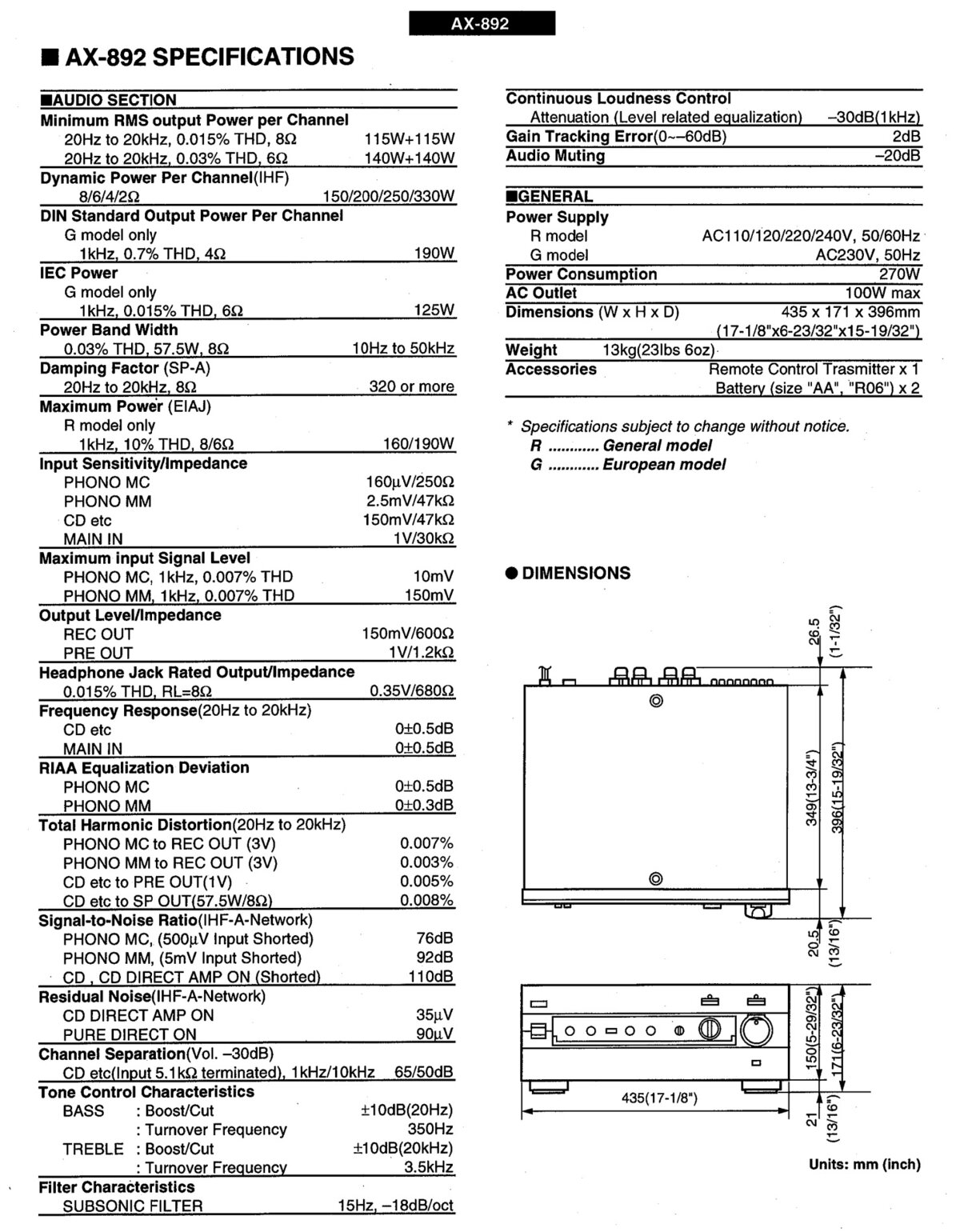
General Specifications
Maximum power (8Ω): 115WPower bandwidth (0.03%THD): 10Hz-50kHz
THD (1kHz): <0.008%
Signal to noise ratio (Line): 110dB
Signal to noise ratio (MM): 92dB
Signal to noise ratio (MC): 76dB
Crosstalk attenuation: 65dB
Input sensitivity (Line): 150mV
Input sensitivity (MM): 2.5mV
Input sensitivity (MC): 160µV
Damping factor: 320
Speaker load impedance: 2Ω-16Ω
Dimensions (WHD): 435×171×396mm
Weight: 13kg
Produced: 1997-2004
Initial price: 1000DM
Measured Values
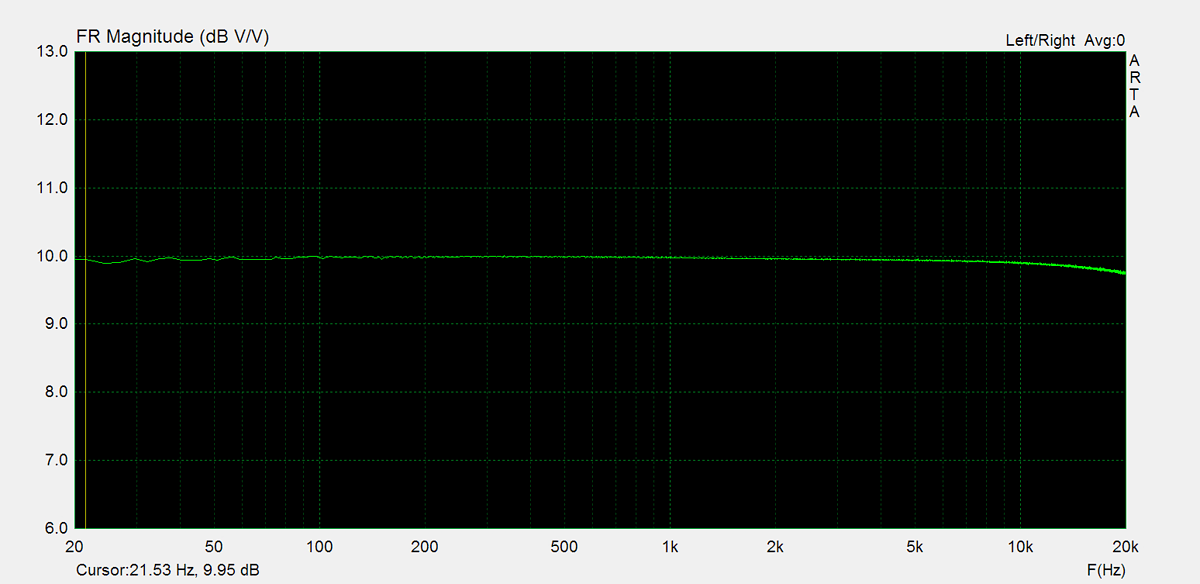
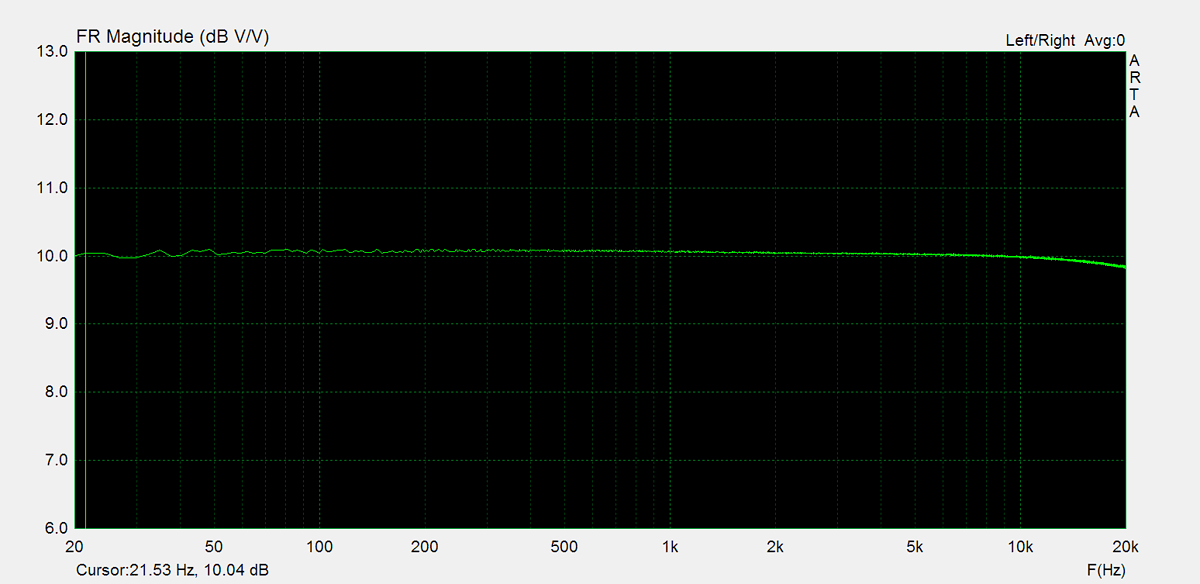
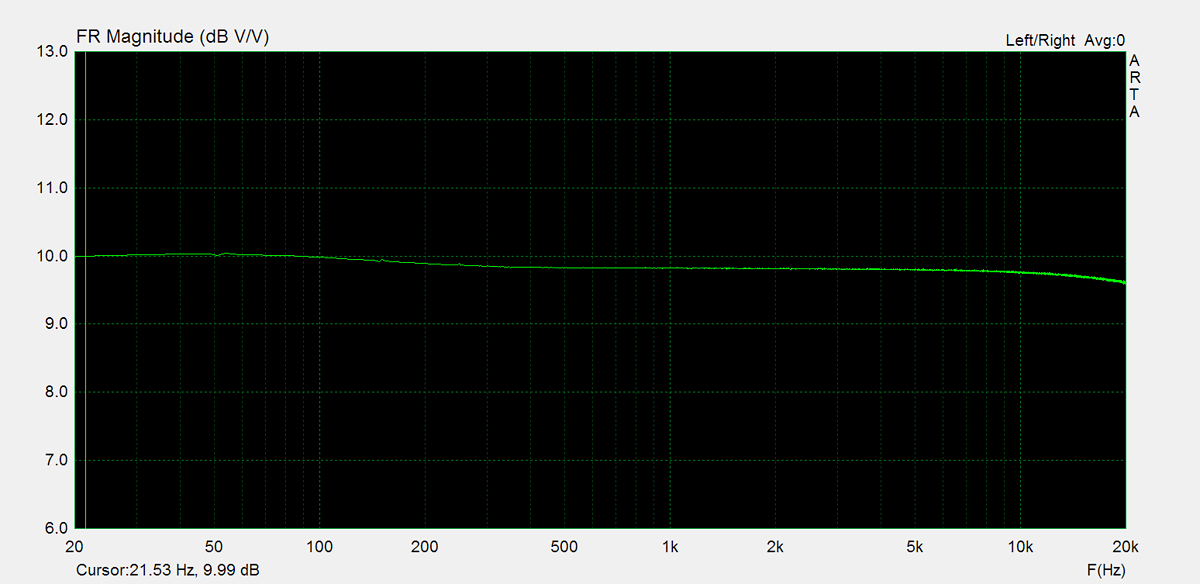
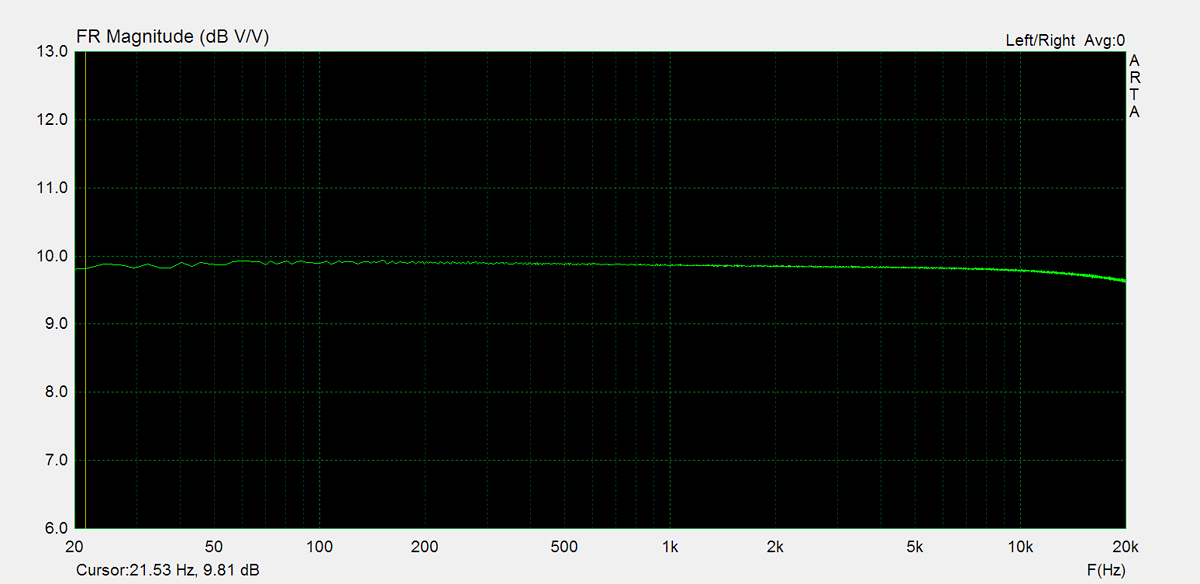
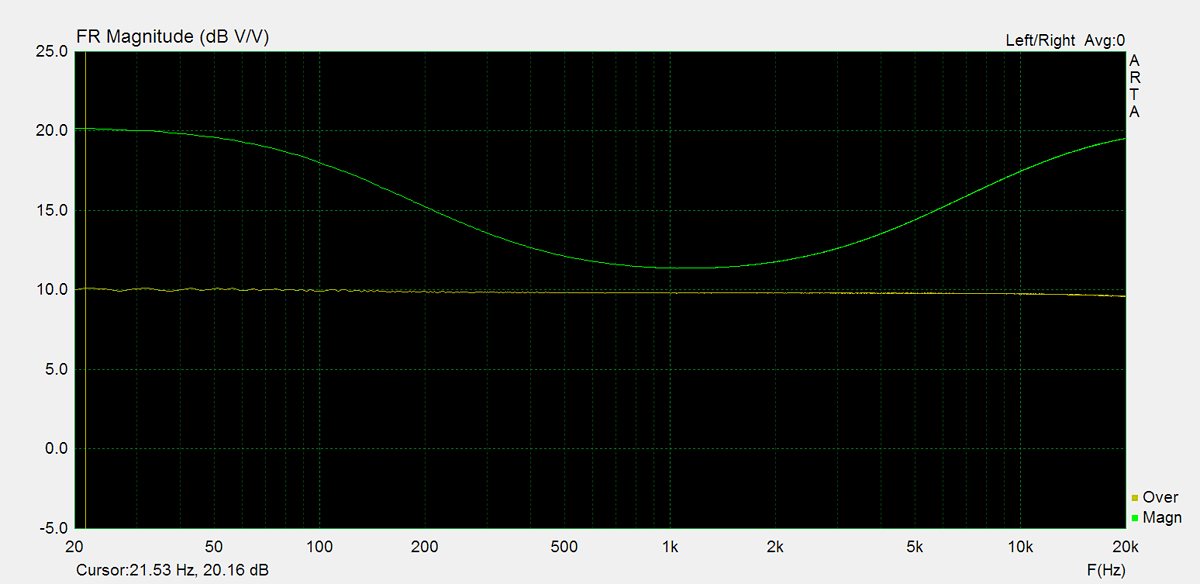
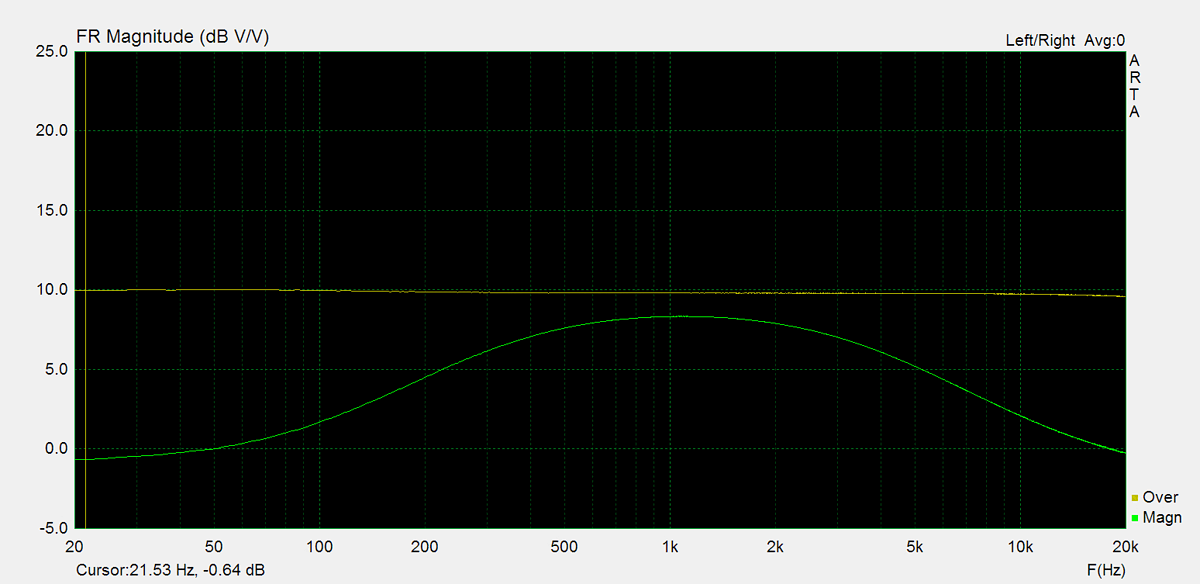
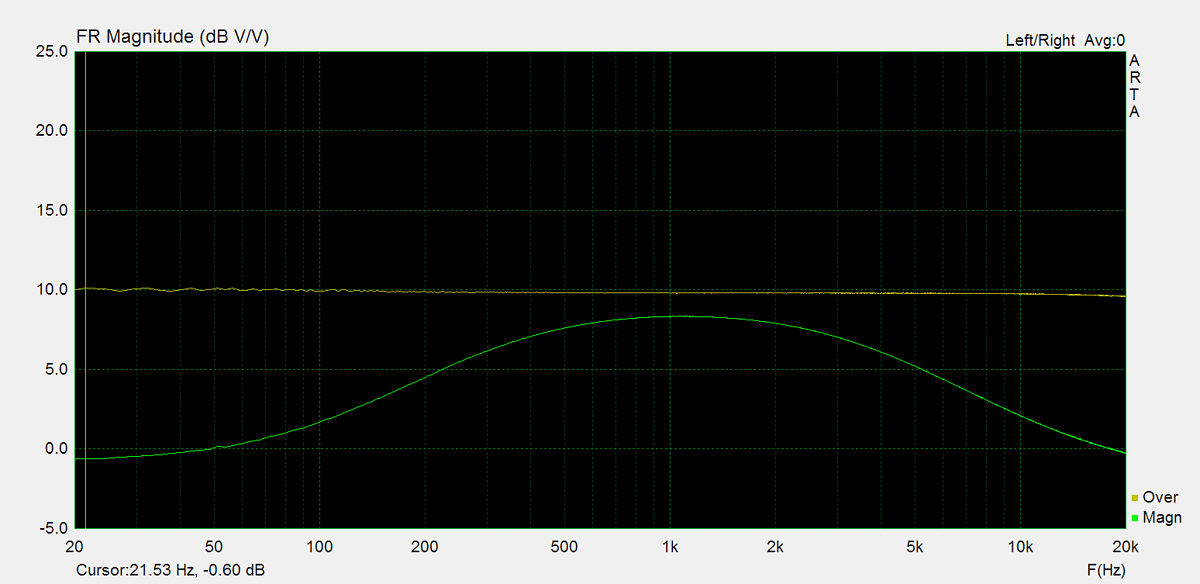
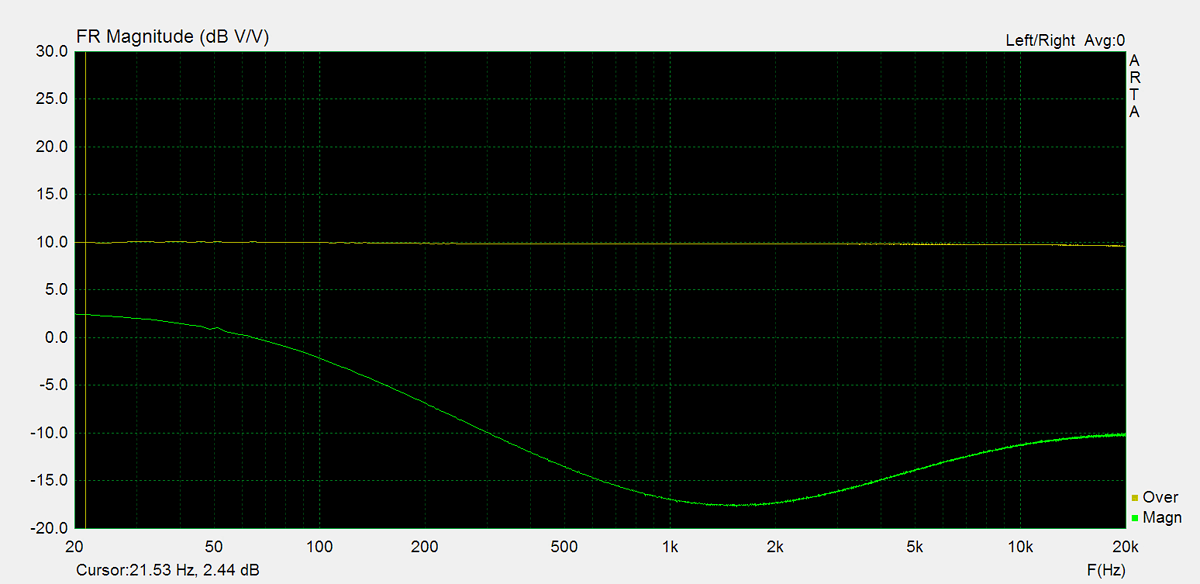
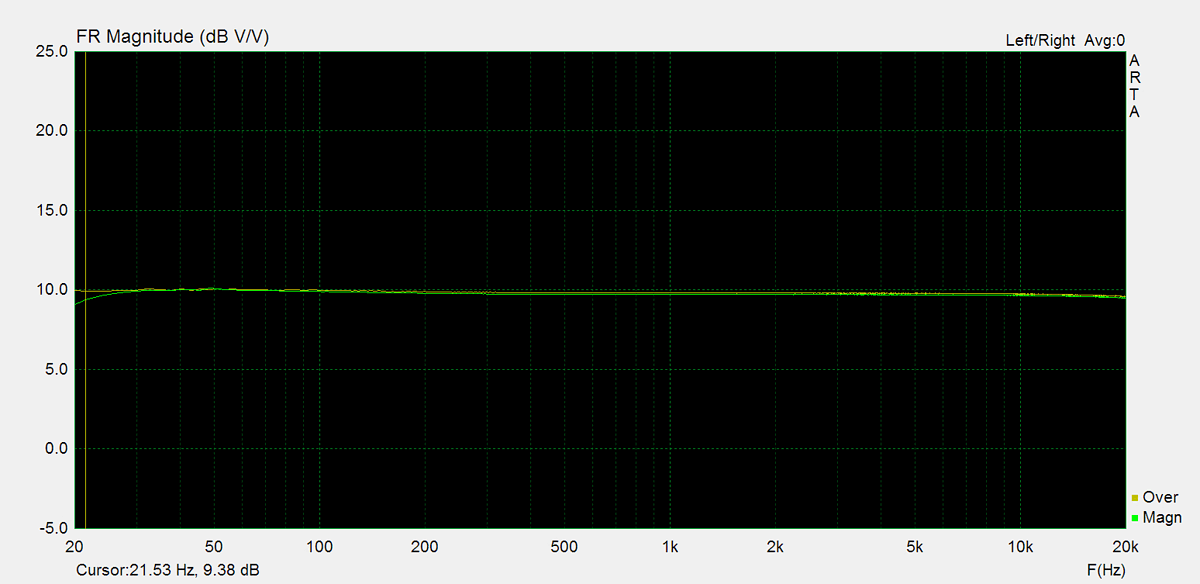
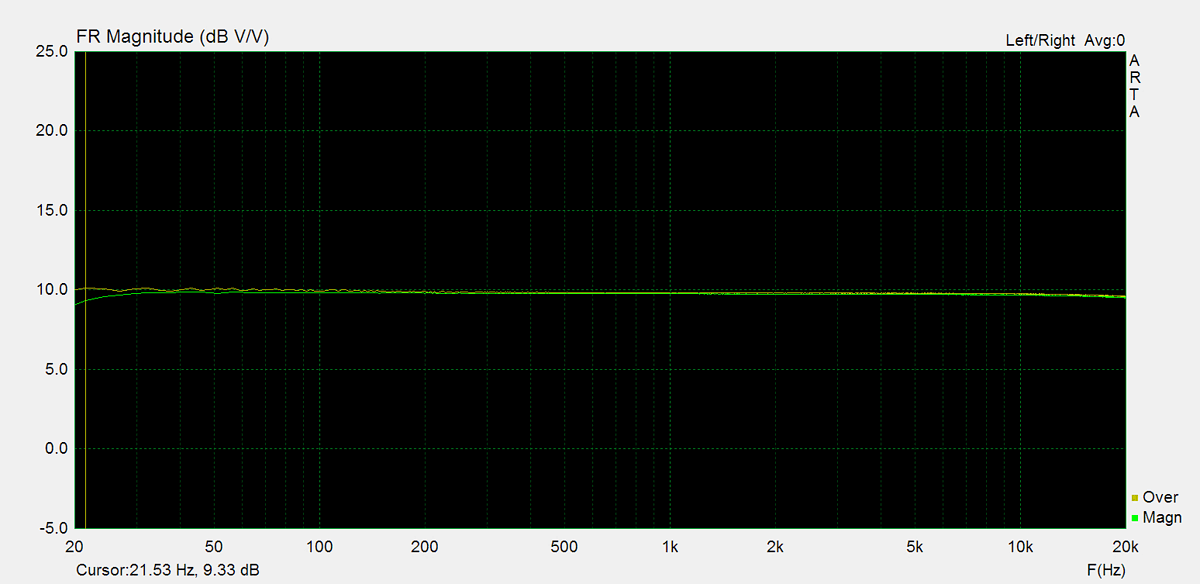
Maximum power (8Ω): 128WFrequency response (20Hz-20kHz): <0.3dB
Channel imbalance: <0.1dB
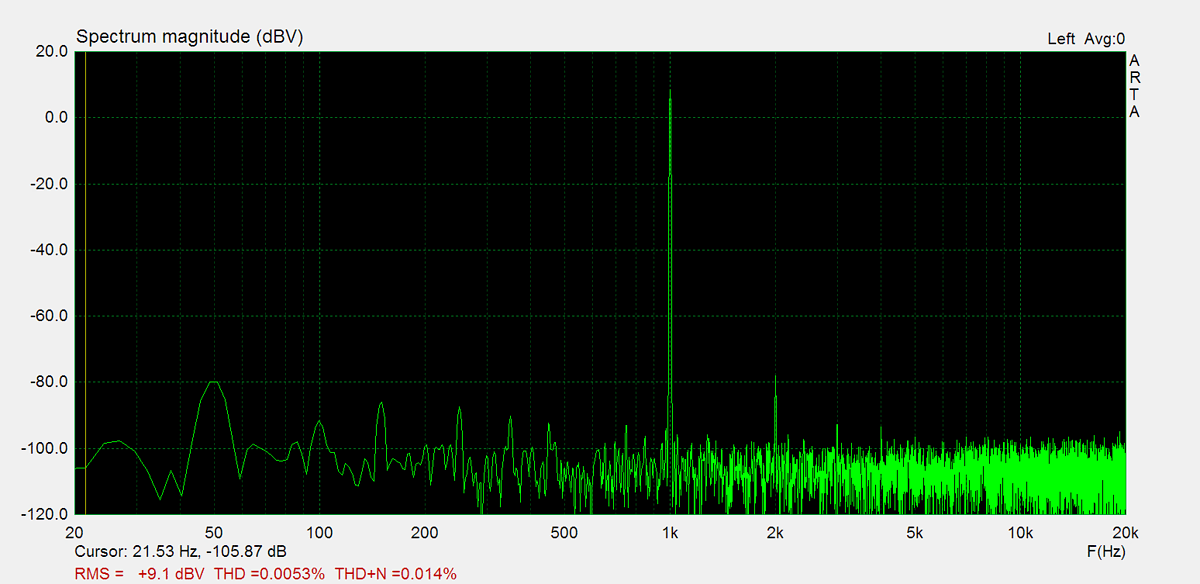
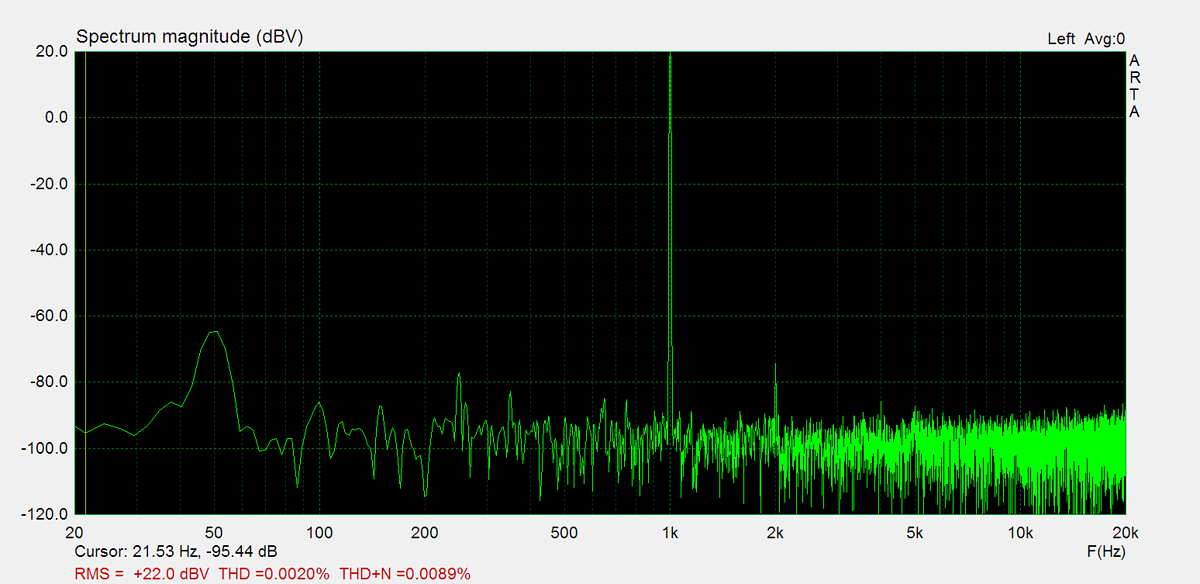
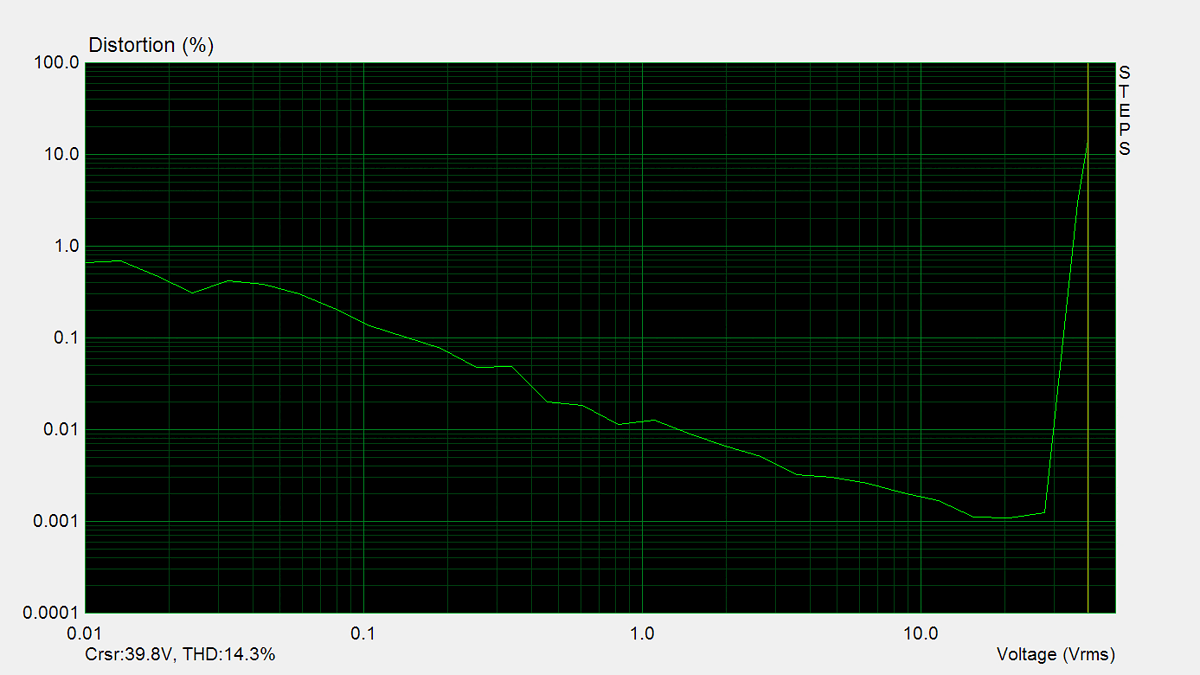
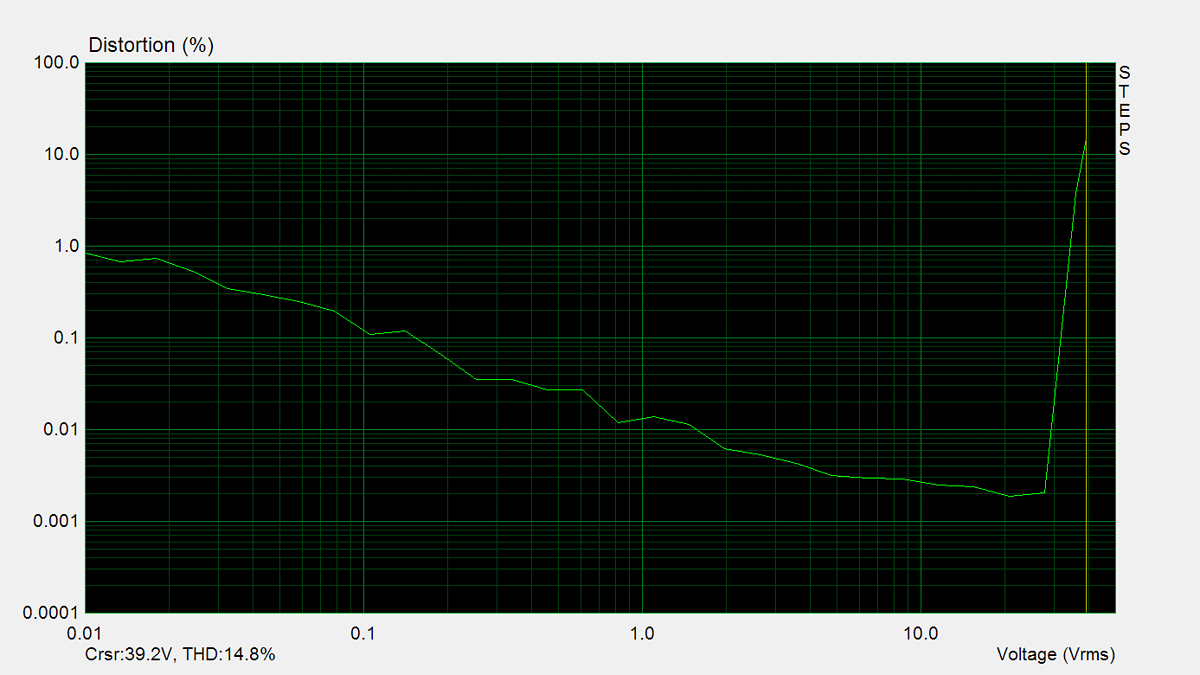
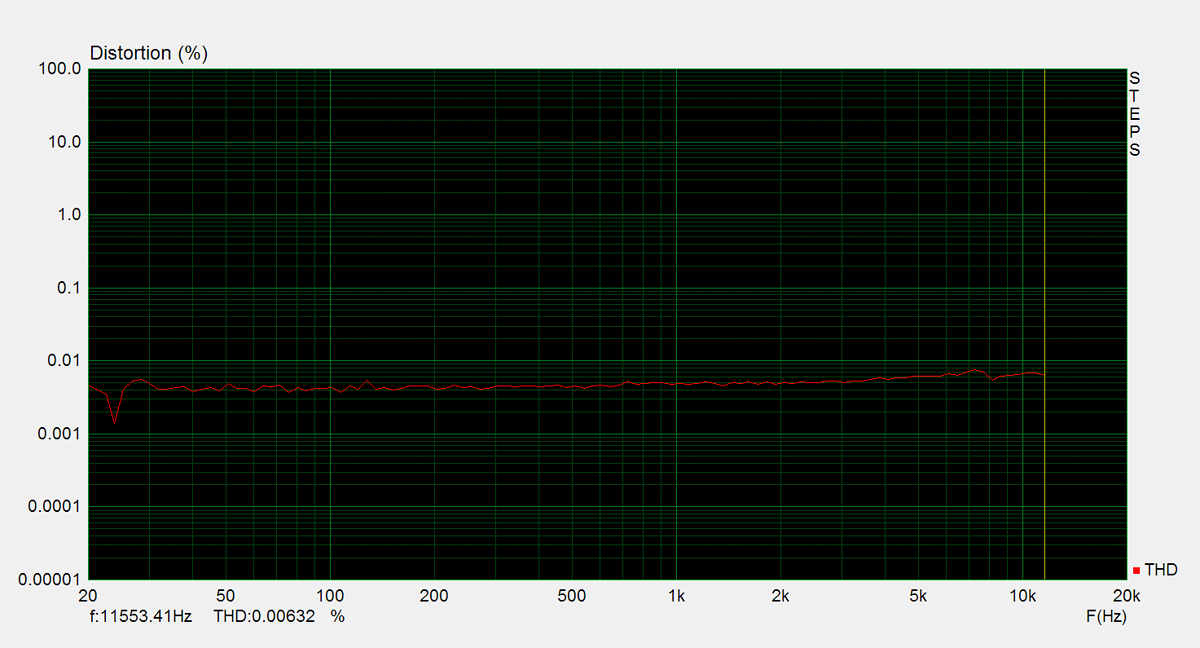
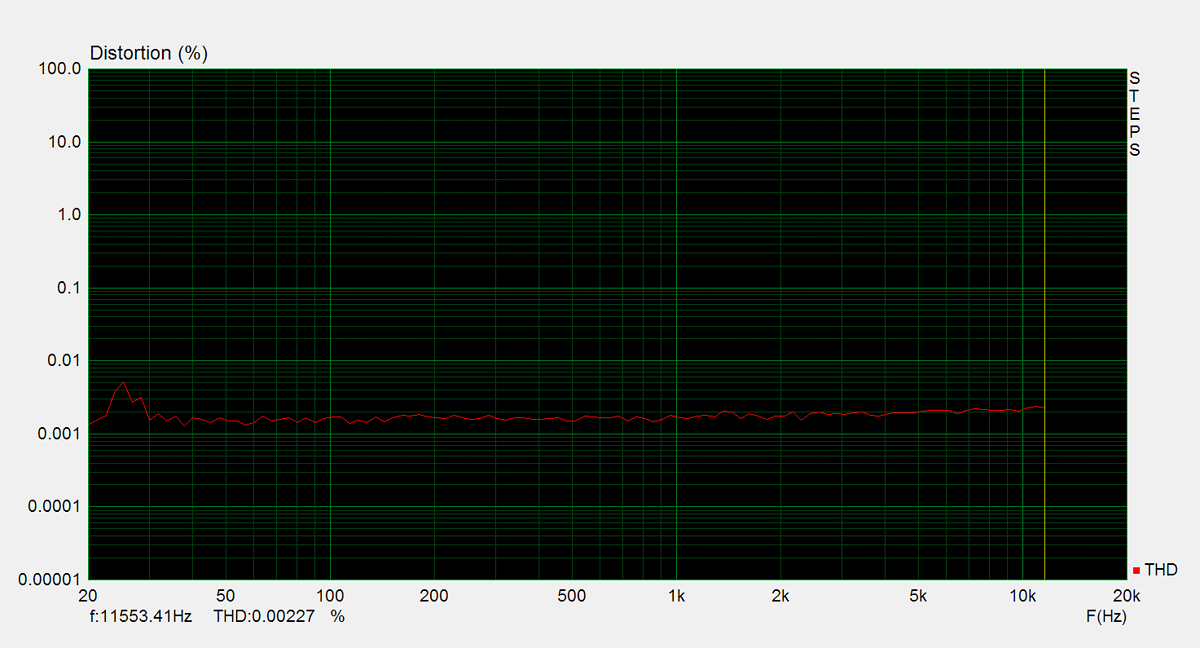
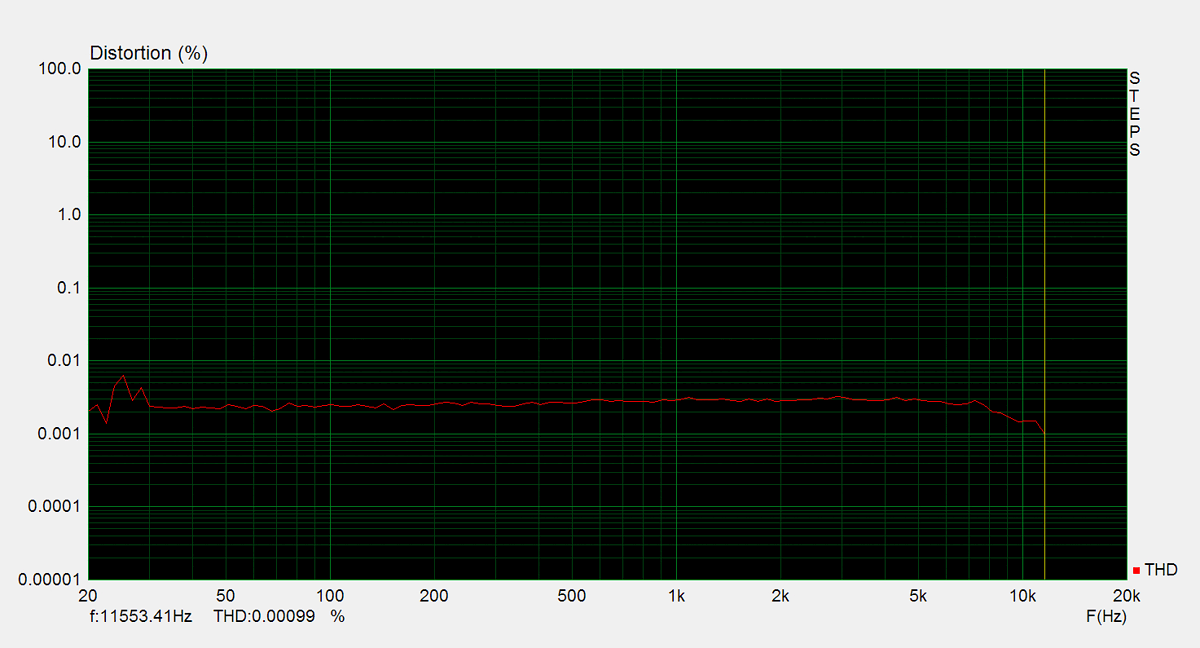
THD (1kHz, 1W): 0.0053%
THD+N (1kHz, 1W): 0.014%
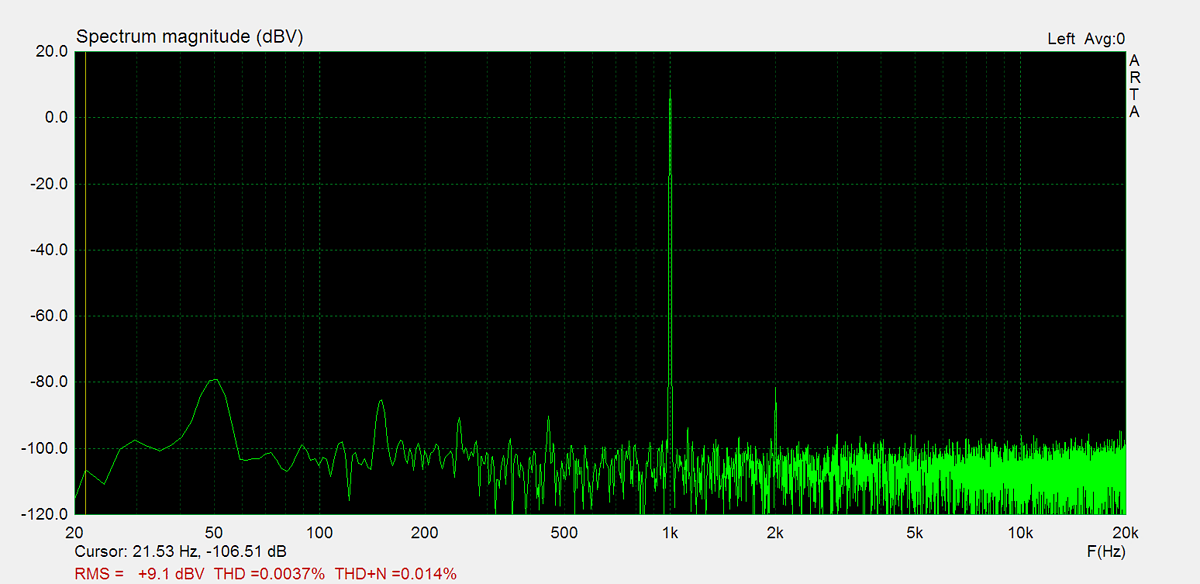
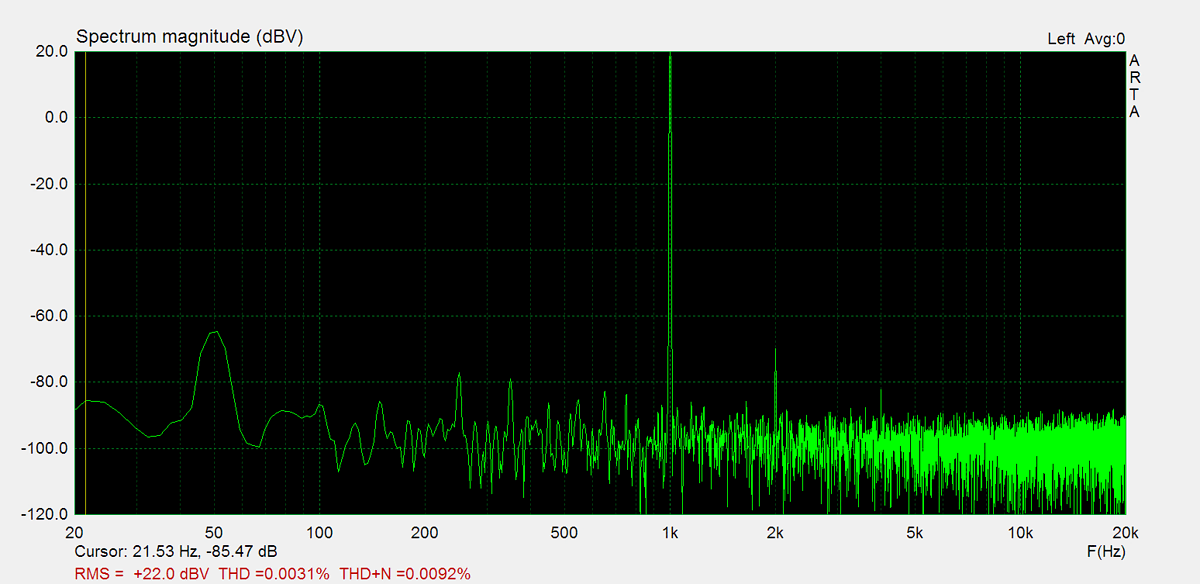
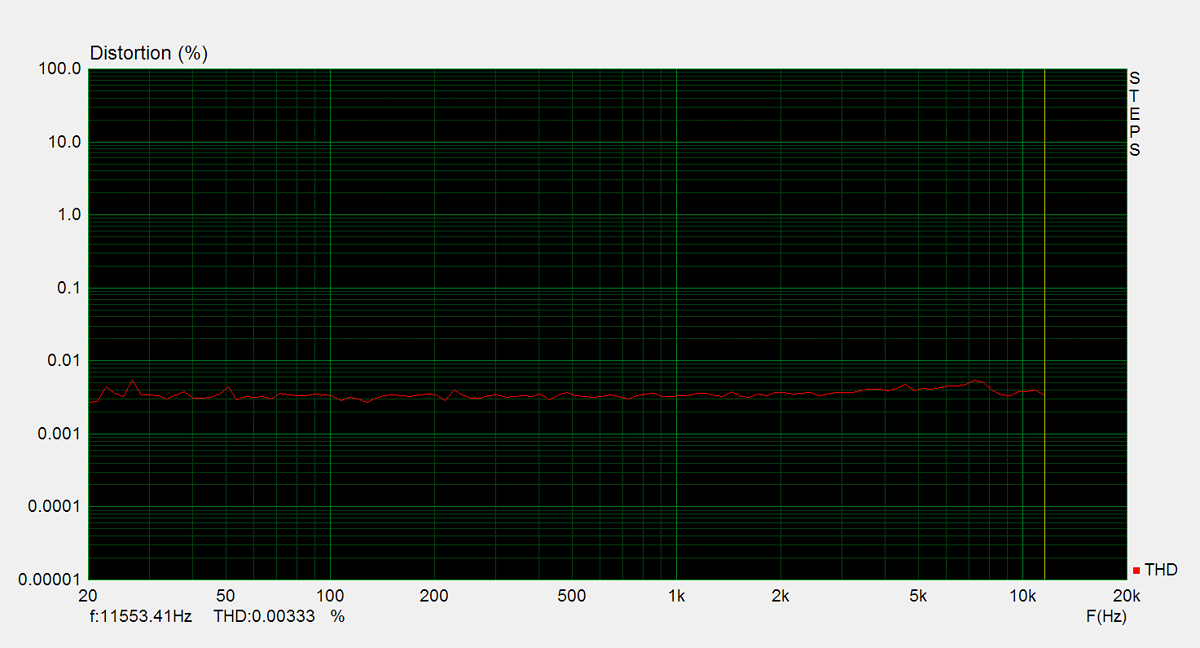
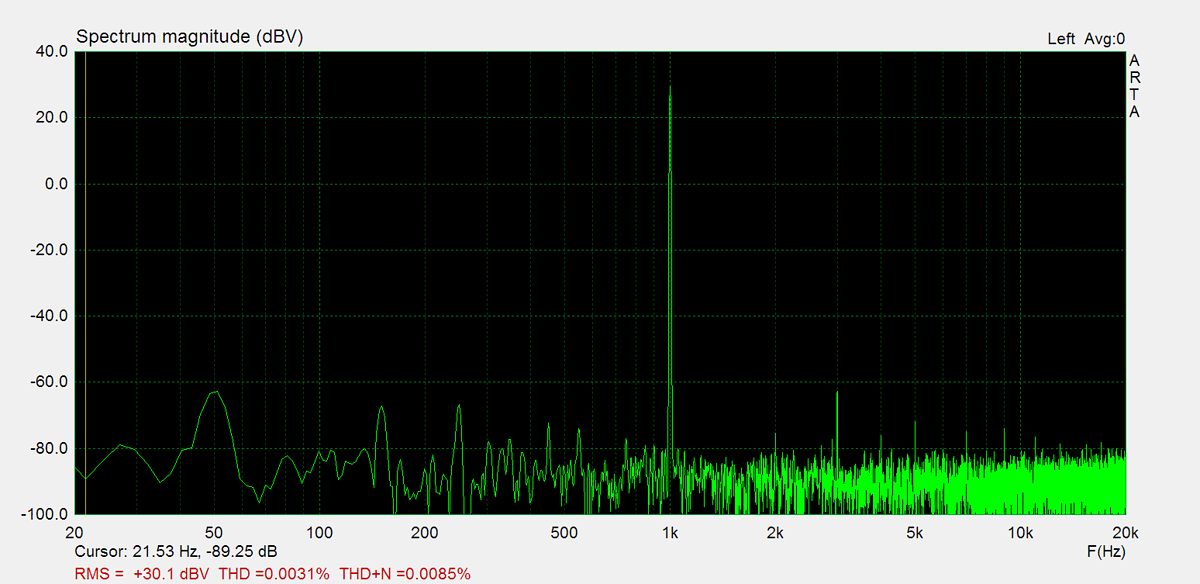
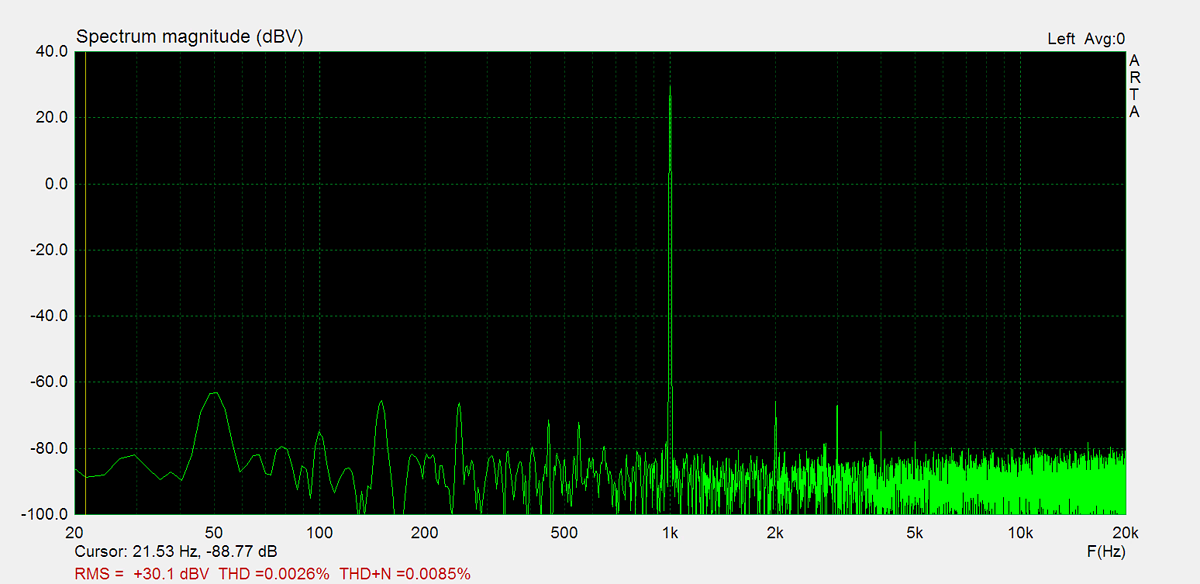
THD (1kHz, 20W): 0.0031%
THD+N (1kHz, 20W): 0.0092%
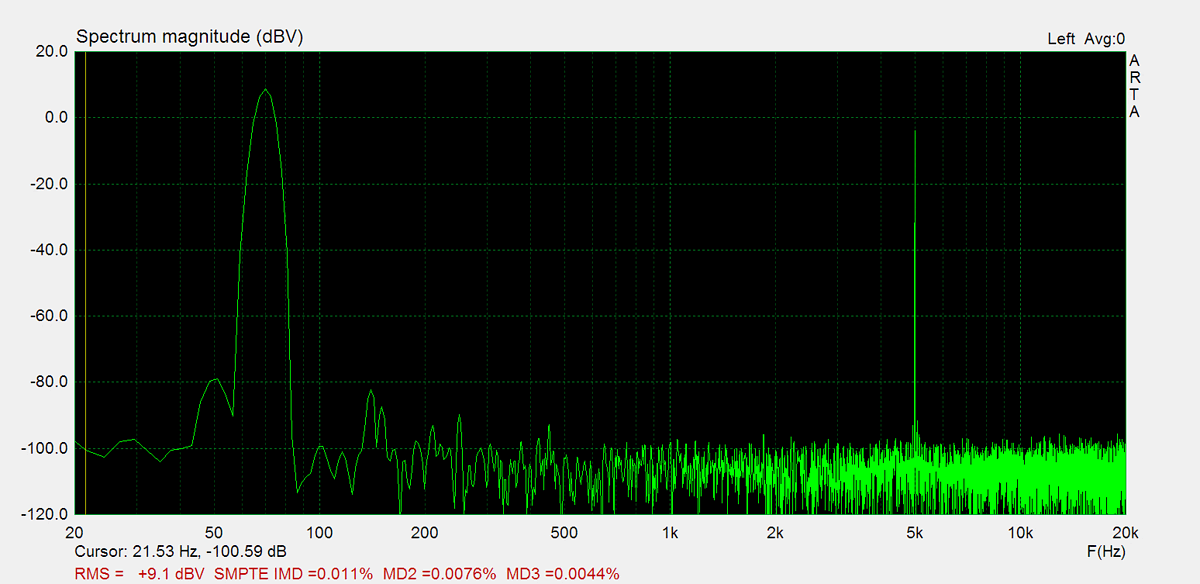
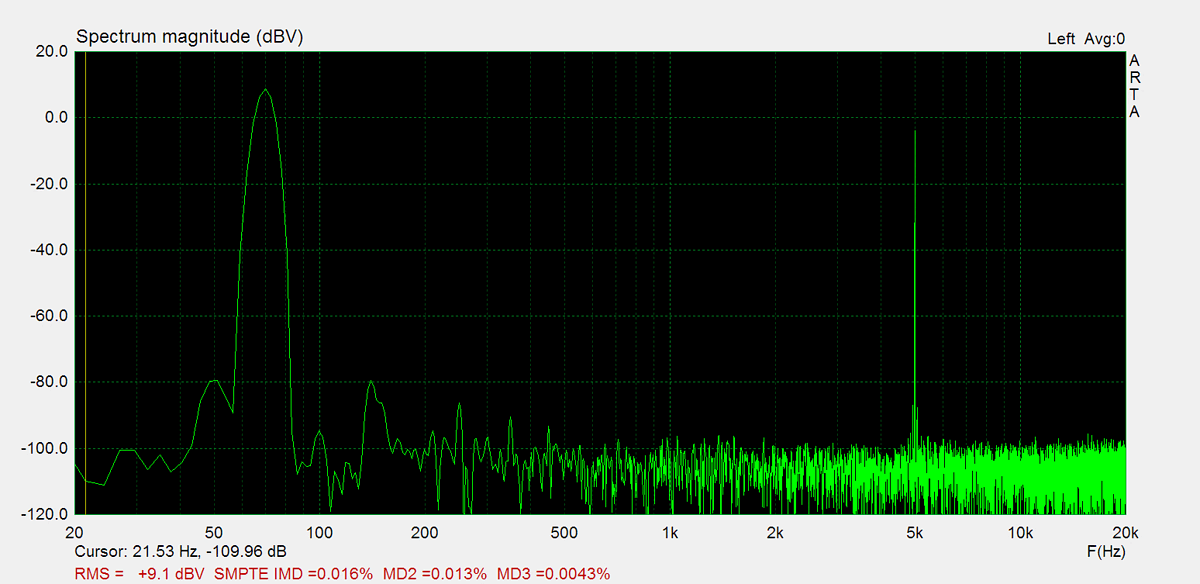
IMD (70Hz, 5kHz, 1W): 0.016%
Chanell separation (1kHz, 1W): 64.7%
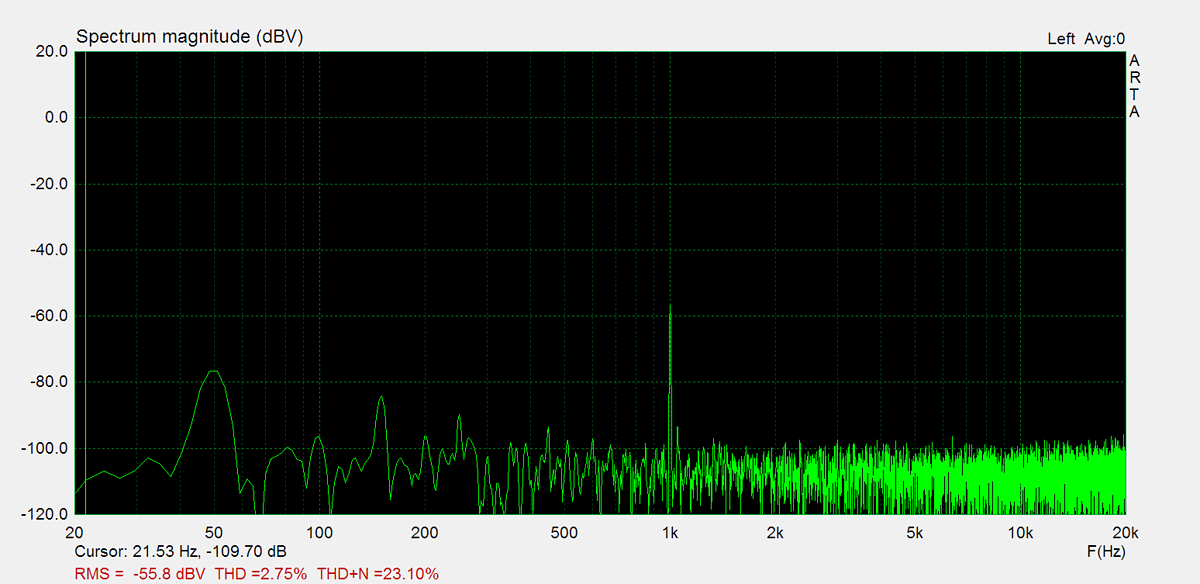
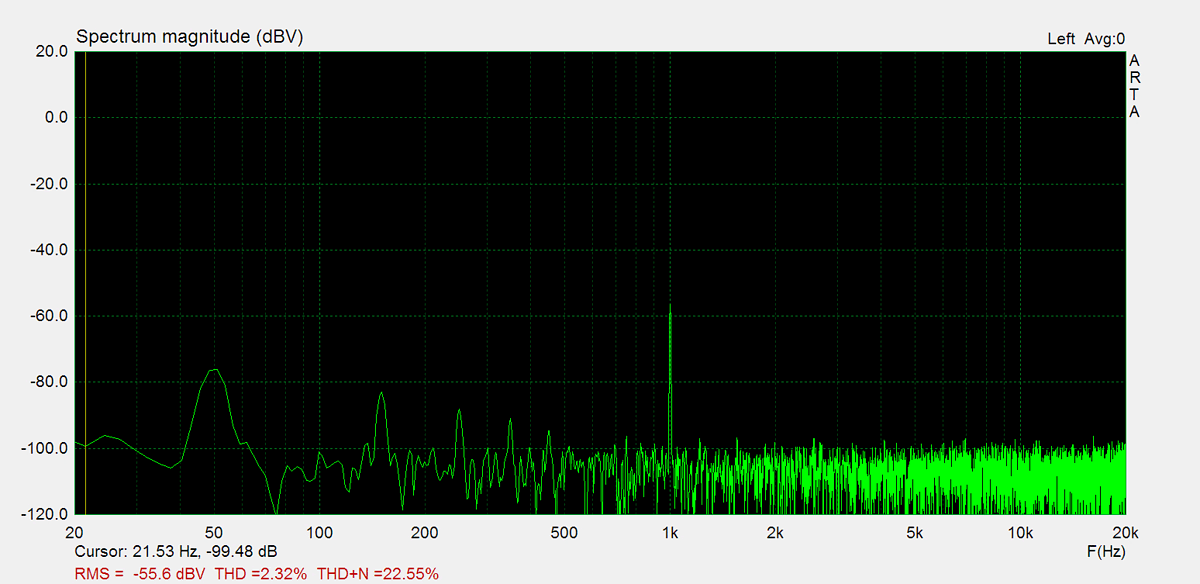
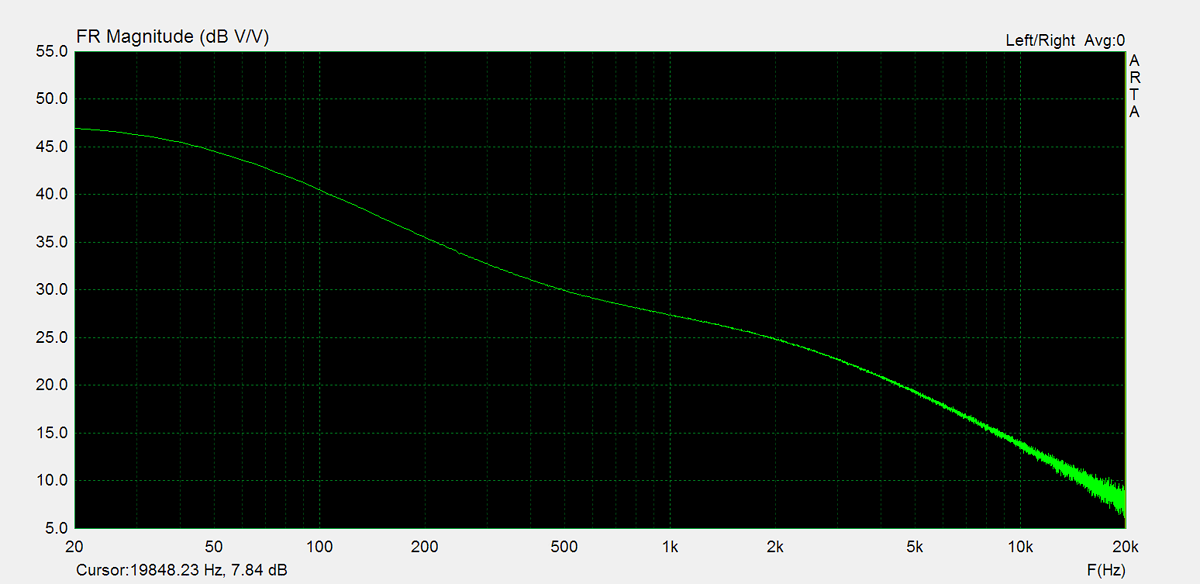
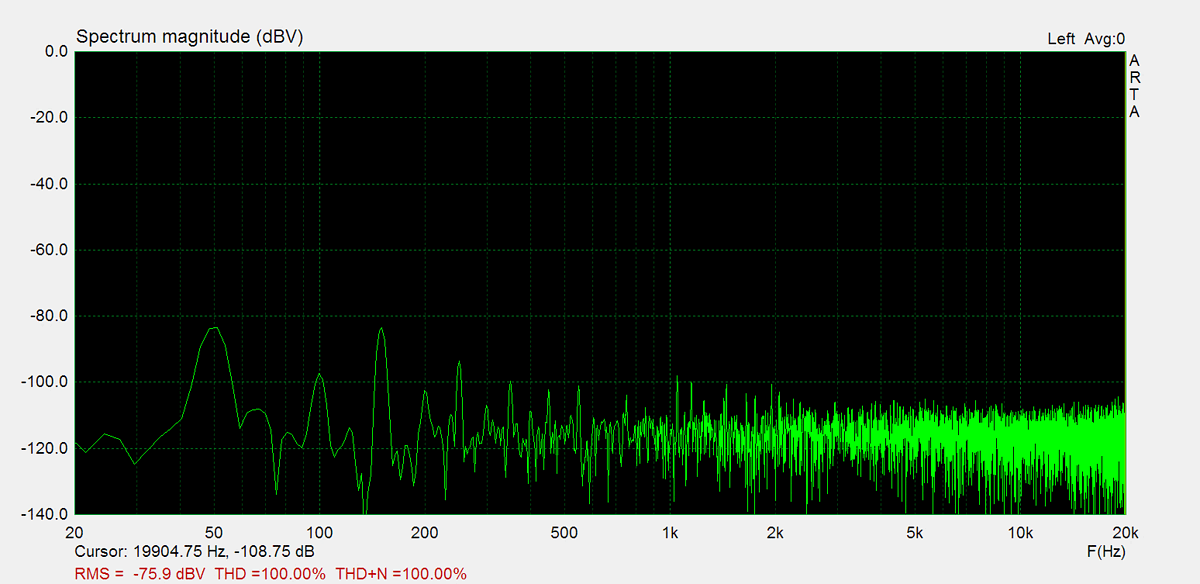
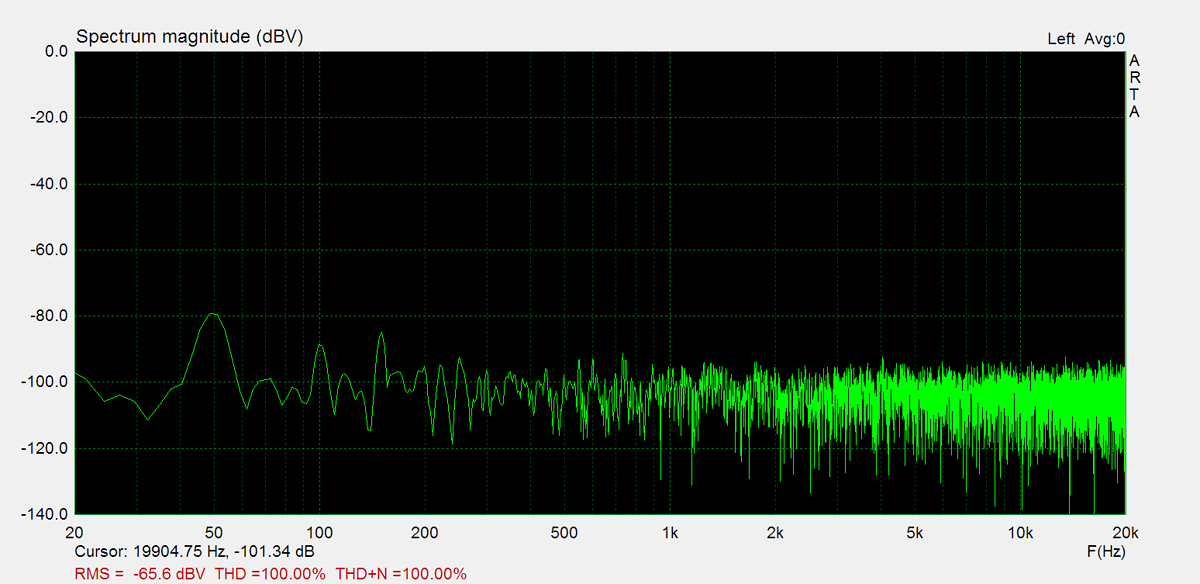
Noise: -65.6dB
Amplification: 188.8
DC offset L: 5.2mV
DC offset R: 18.2mV
Factory Specification Sheet
Factory specification images are sourced directly from the device's original service manual or user manual. These documents are produced by the manufacturer and provide authoritative information on the product's specifications.
Maximum Power
Maximum power is measured using 8Ω resistors on both channels. A 1kHz sine wave input signal is applied and gradually increased until higher harmonics rise significantly. Typically, this is the point at which output clipping occurs.
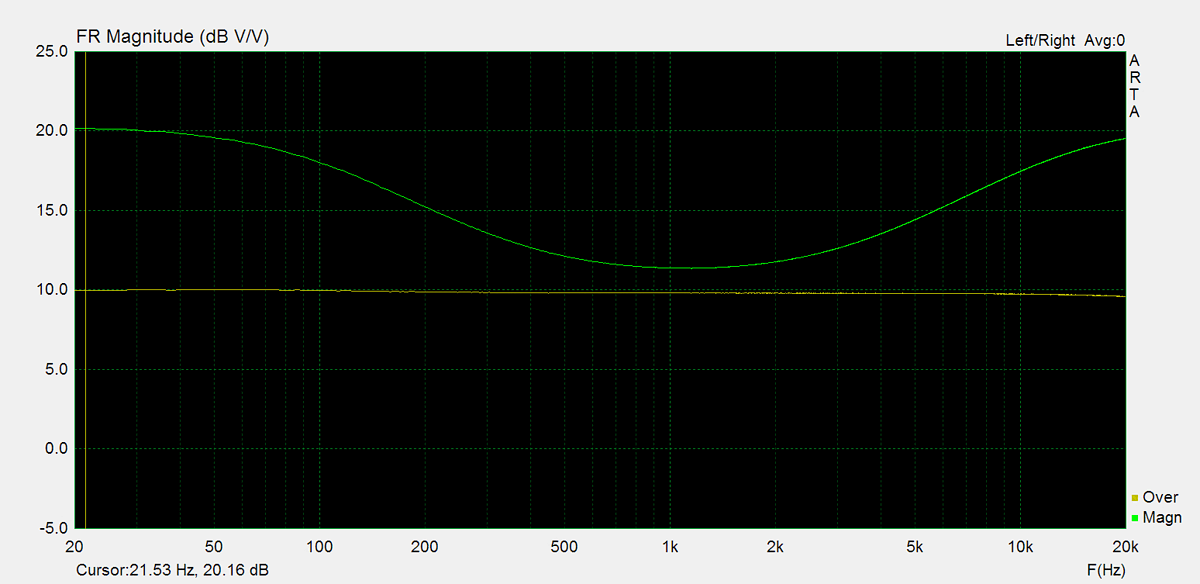
Frequency Response
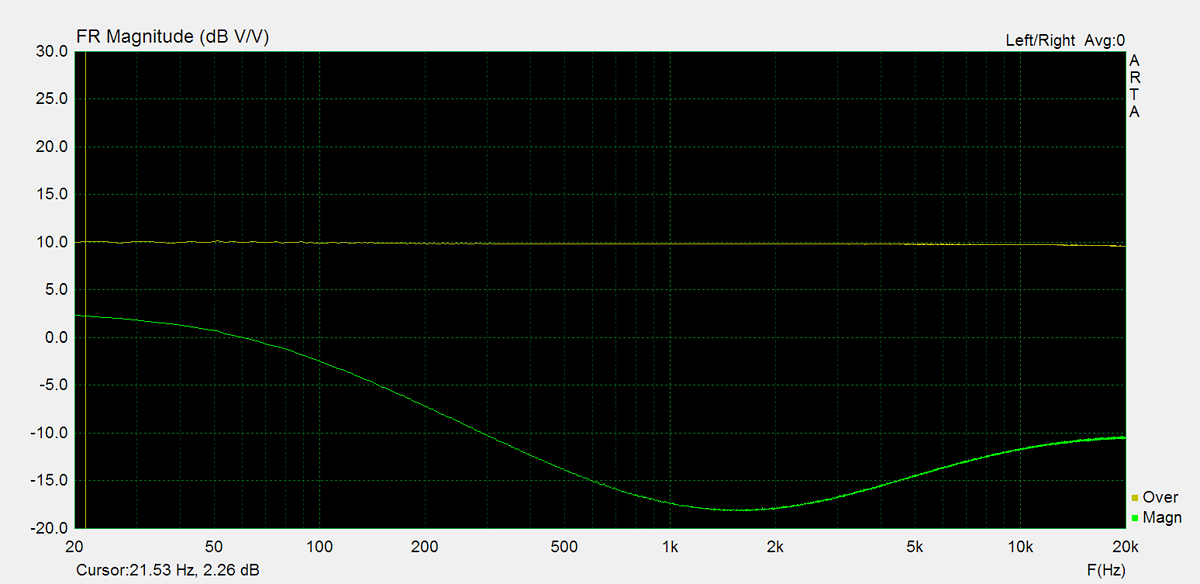
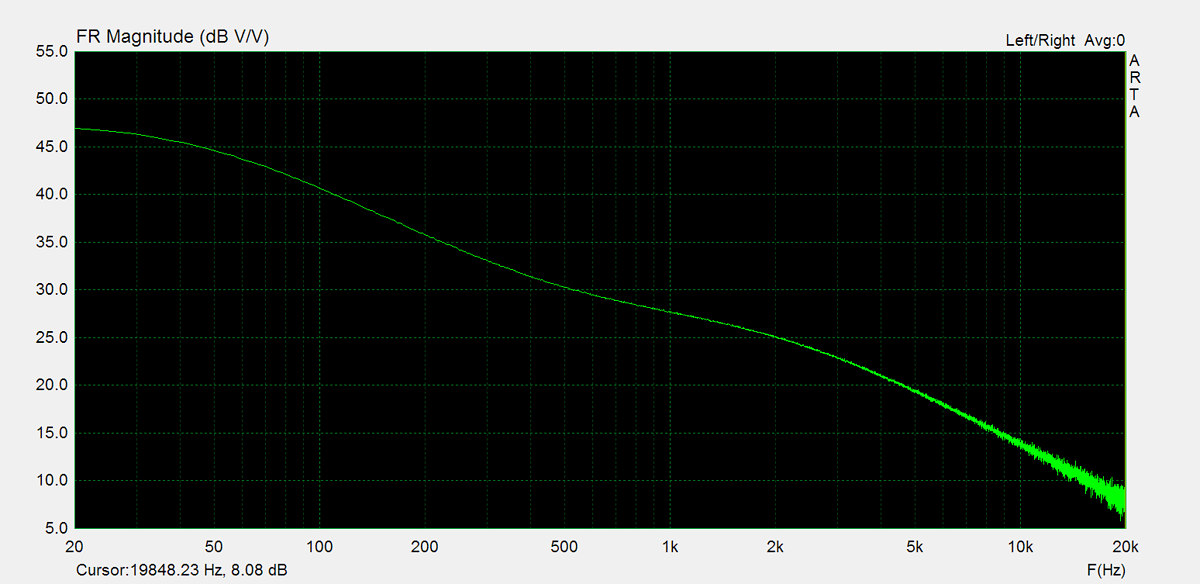
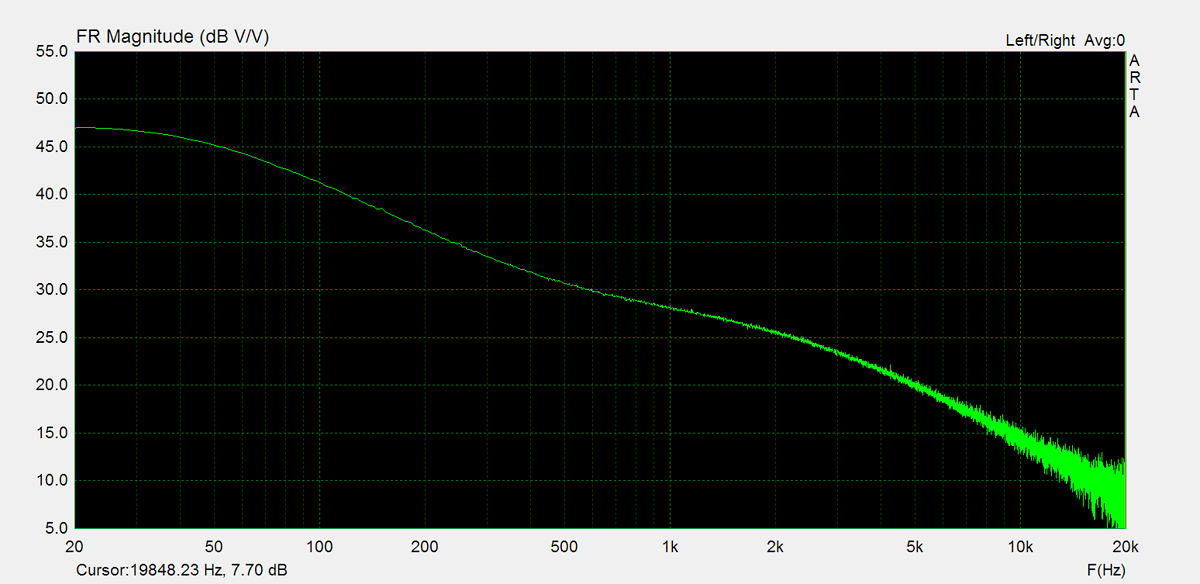
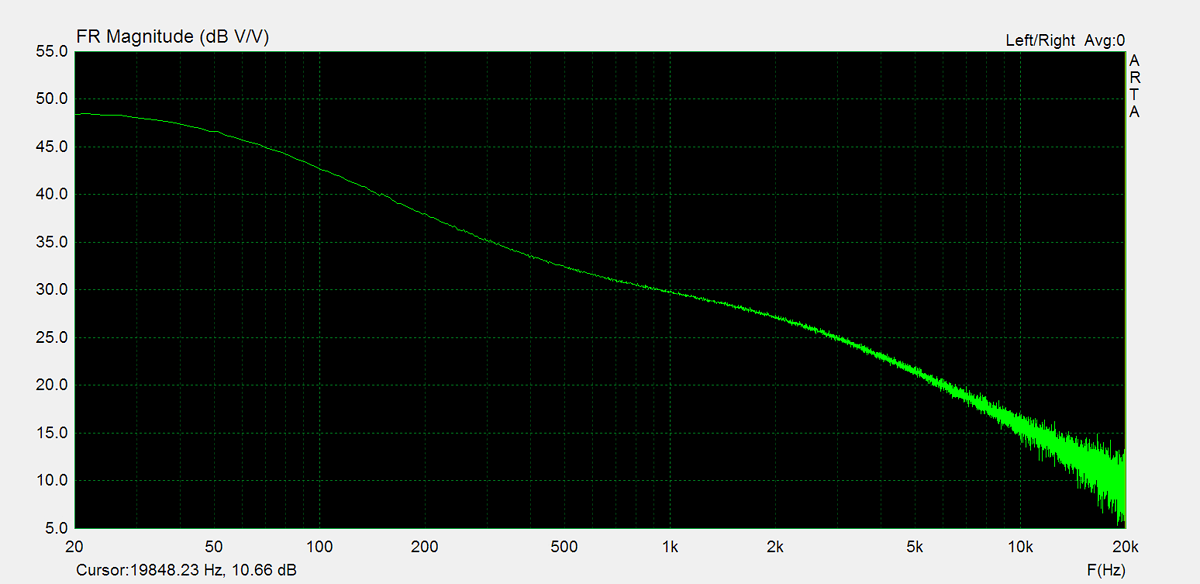
Frequency response is measured using several equalizer settings. 'Flat' indicates the tone controls are either turned off or set to their neutral position. 'Max' and 'Min' refer to the maximum and minimum tone control positions, respectively. In the phono section, the expected response follows the RIAA equalization curve.
Residual Noise
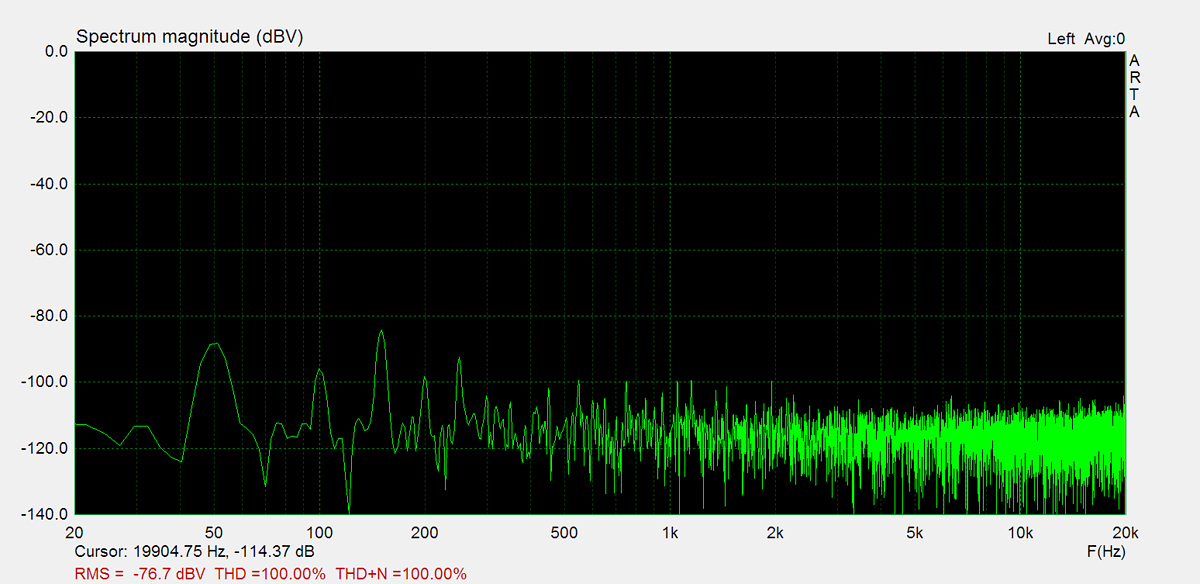
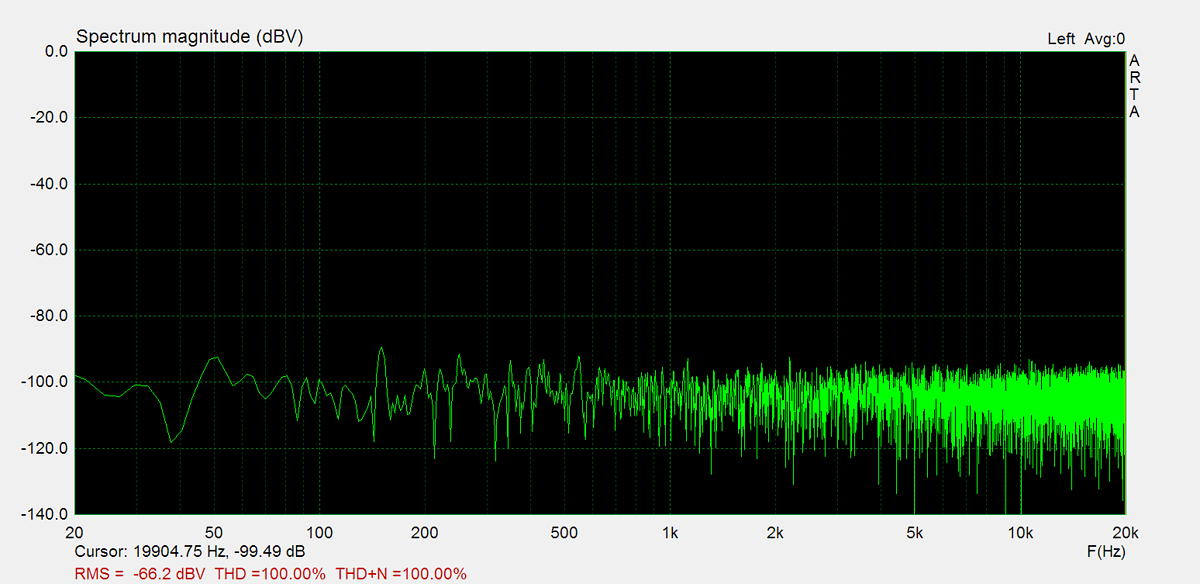
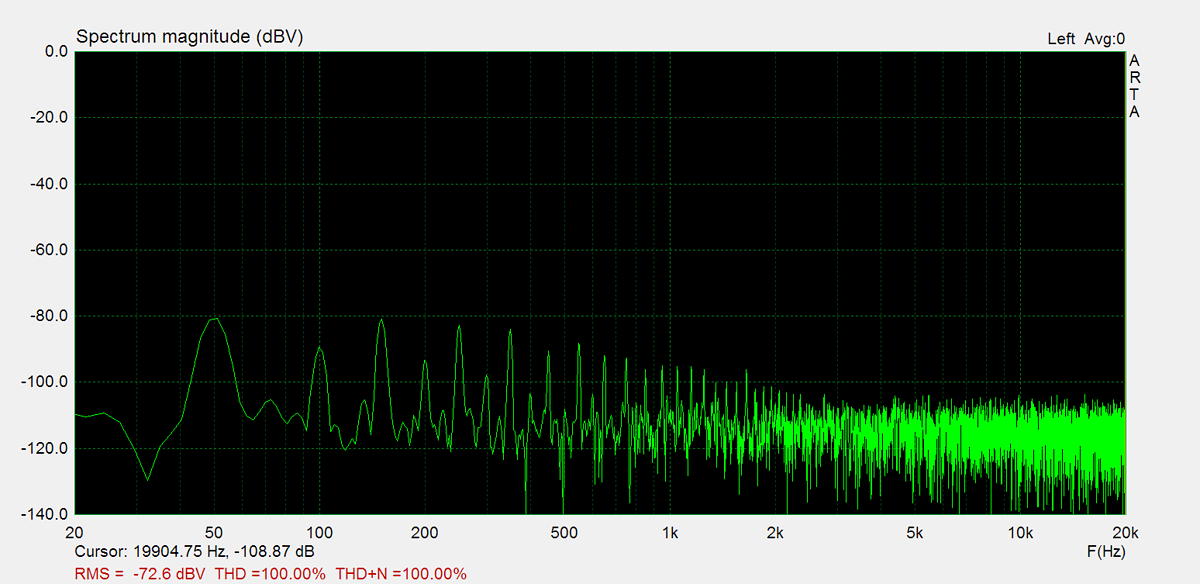
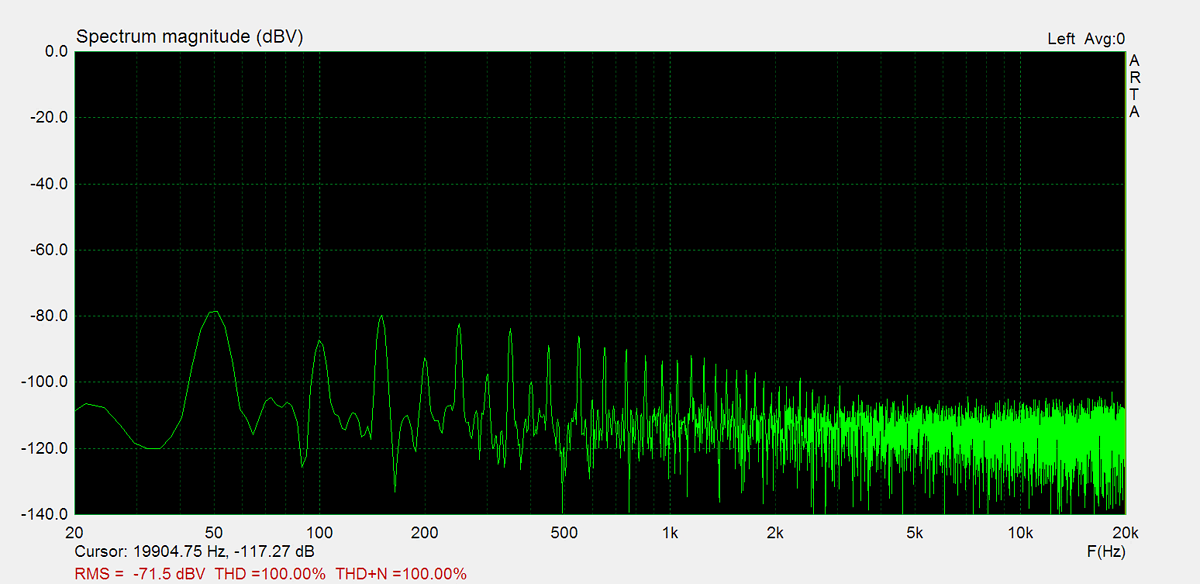
These graphs display the noise levels at various volume positions. To eliminate any interference from the input signal, the input lines are shorted during the measurement. Generally, the noise is highest at the mid-point of the volume range (50%)
Distorsion
Total harmonic distortion (THD) is measured using a 1kHz sine wave input, with the output level adjusted to meet different conditions. Intermodulation distortion (IMD) is measured using 'two sine' input signal. THD versus voltage is measured with a 1kHz sine wave input, while THD versus frequency is measured at various output levels.