Pioneer TX-9500 II
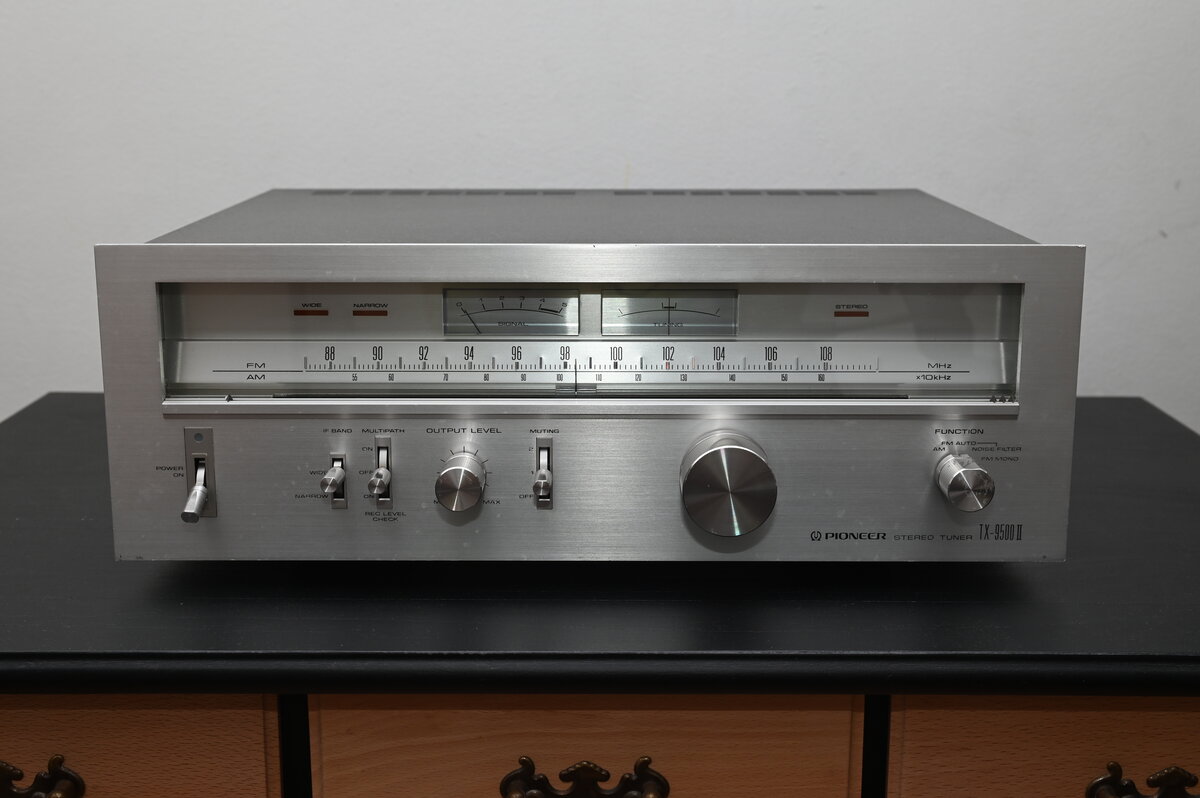
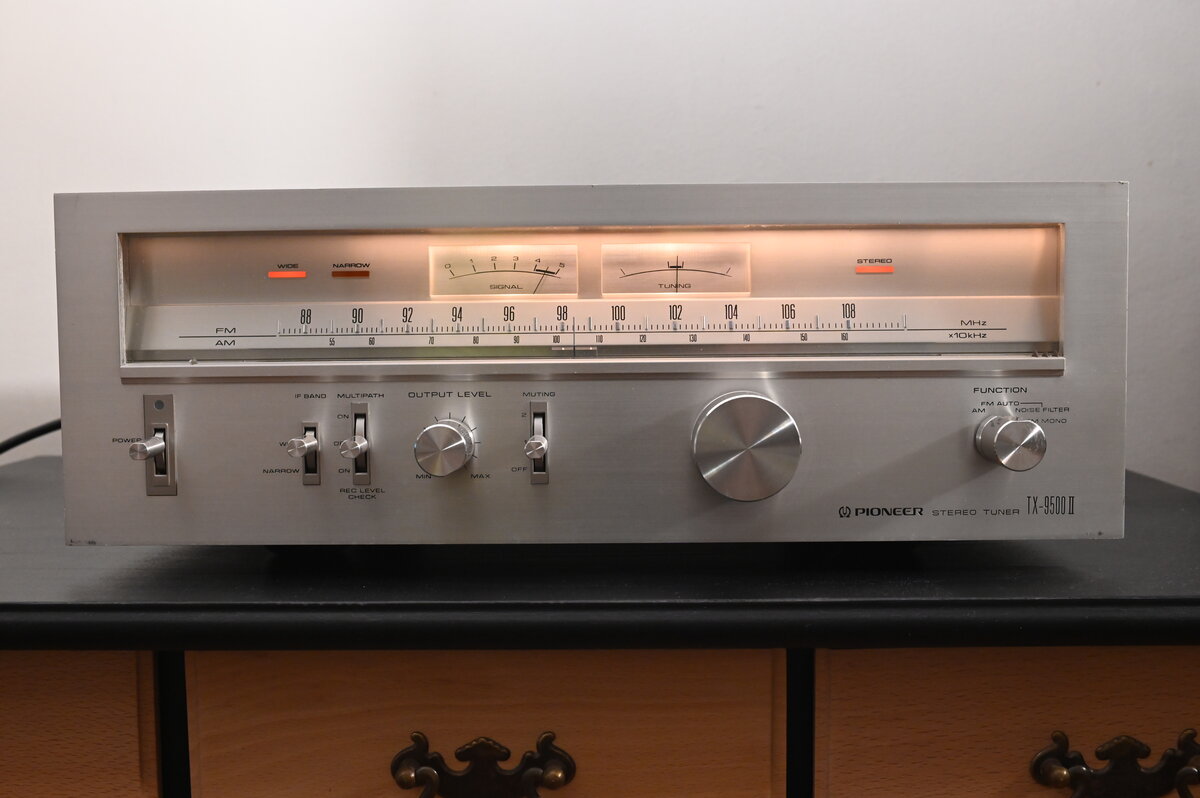
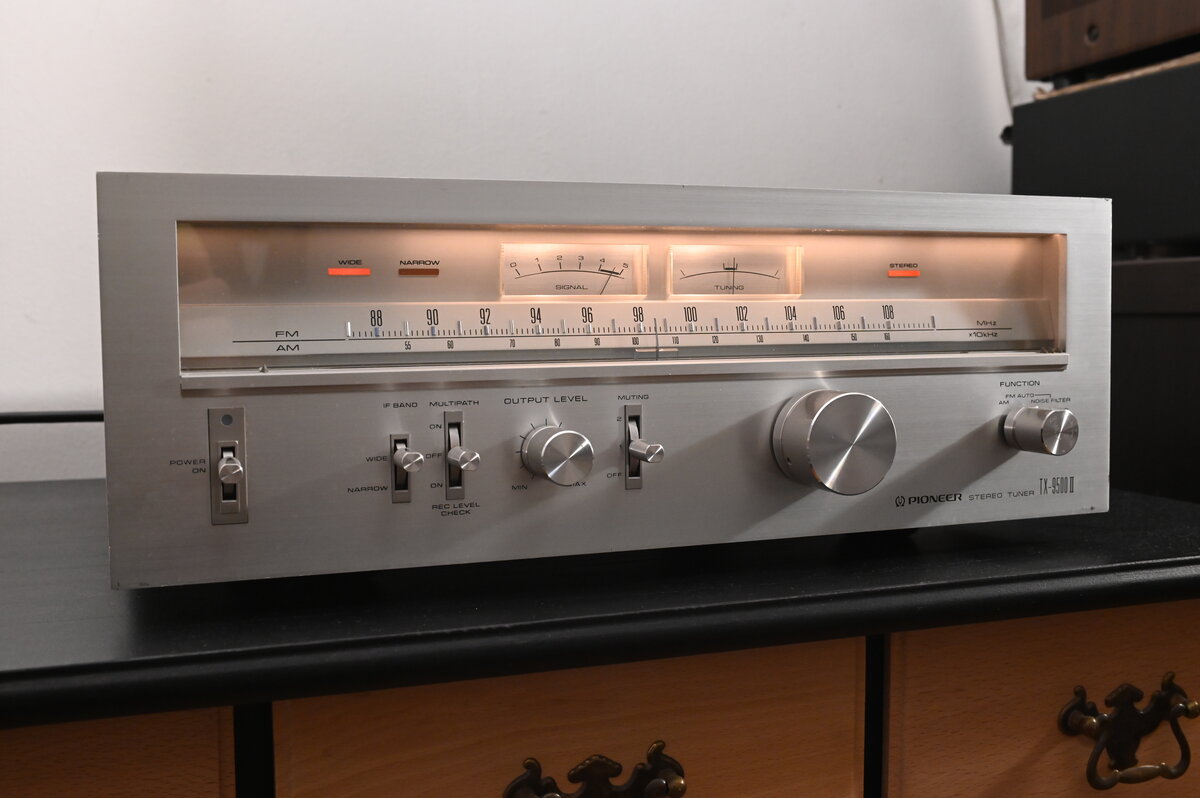
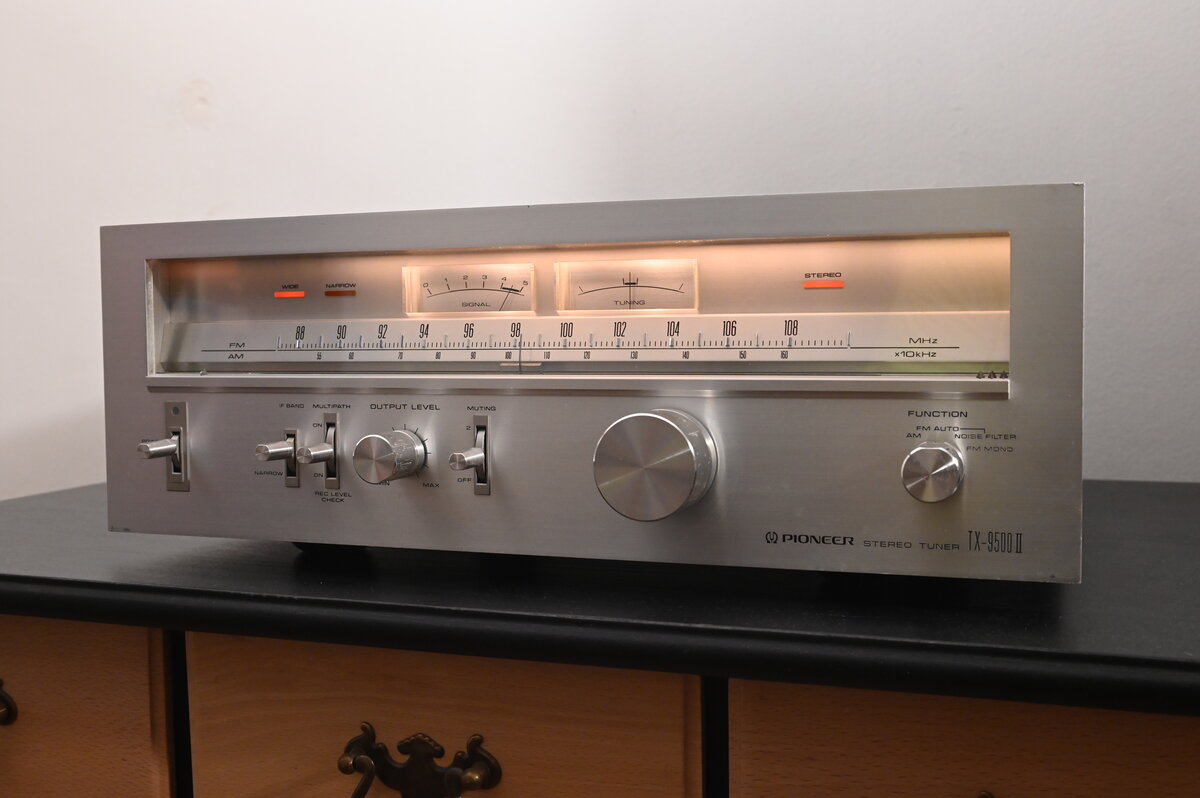
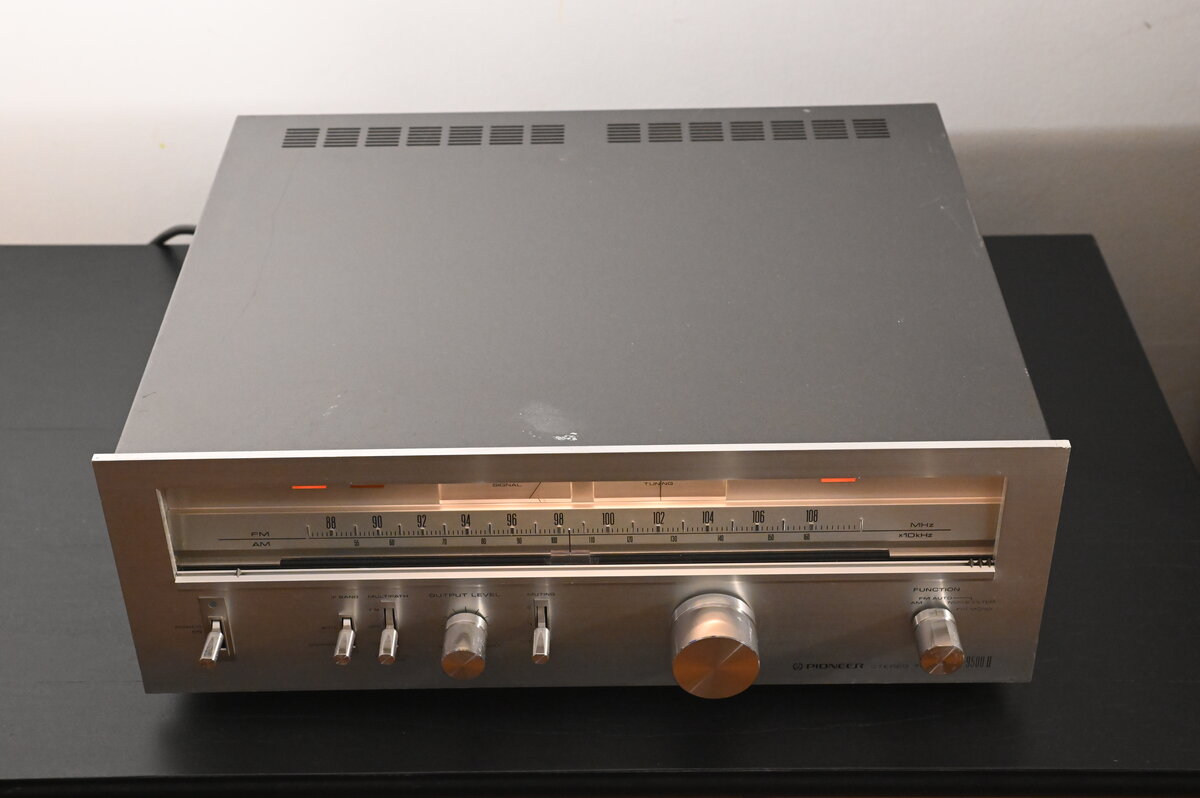
The Pioneer TX-9500 II is a high-quality FM/AM stereo tuner from the late 1970s. Arguably, it is one of the best Pioneer tuners ever made.
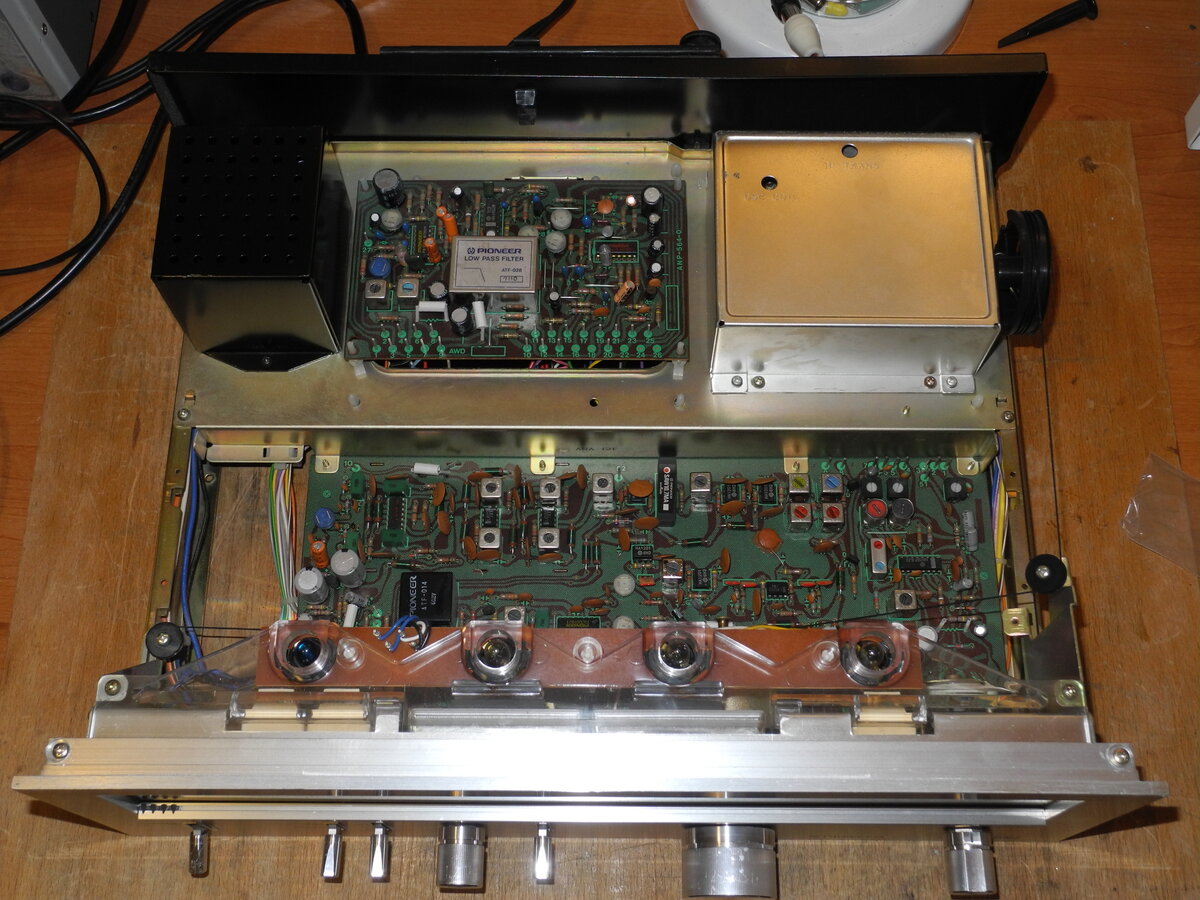
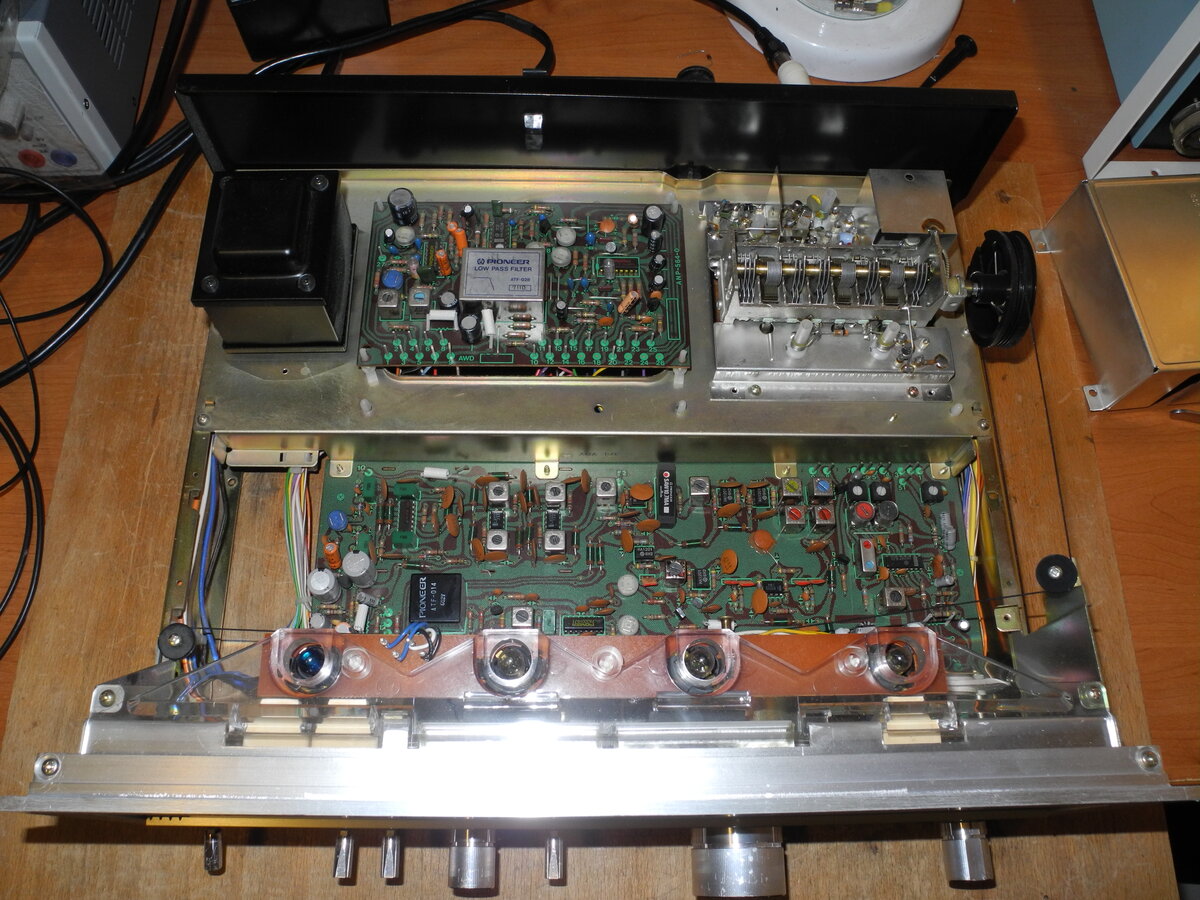
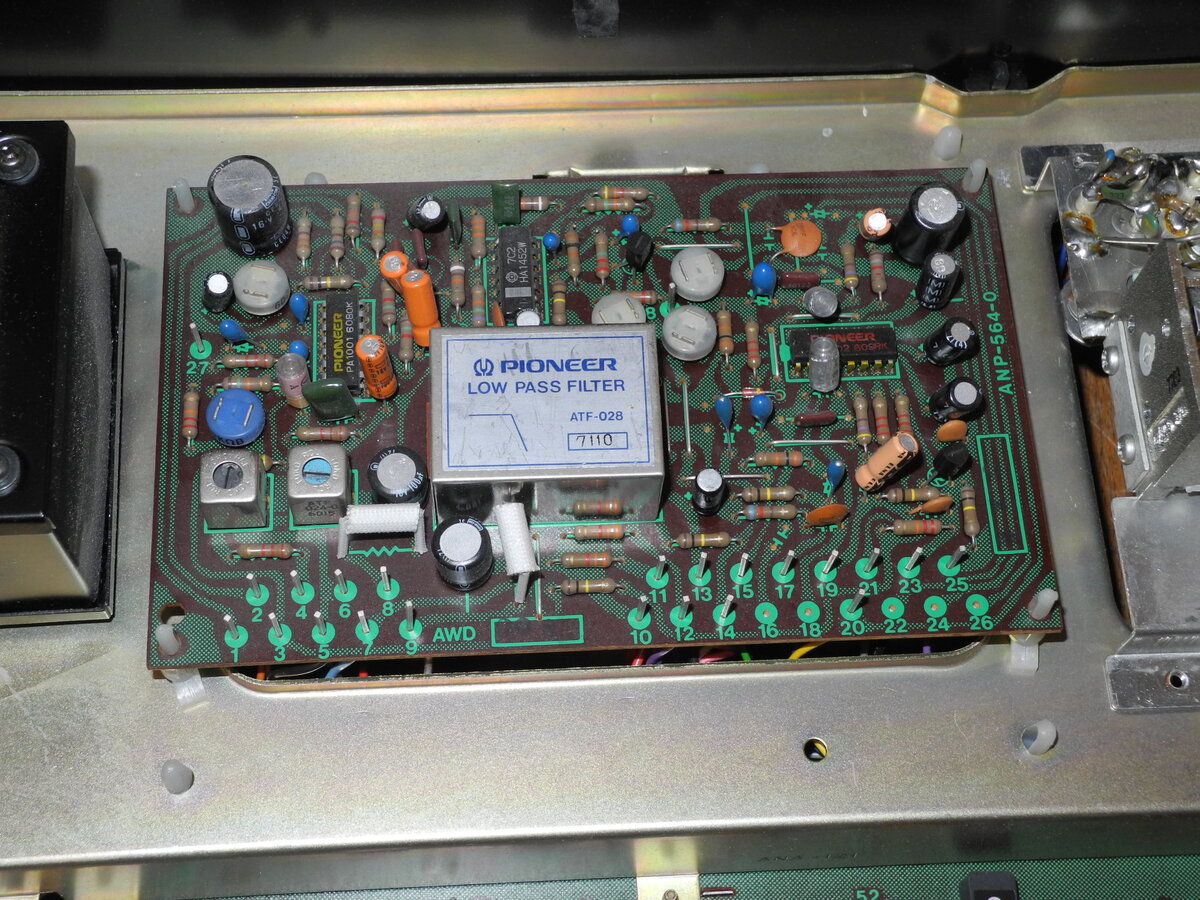
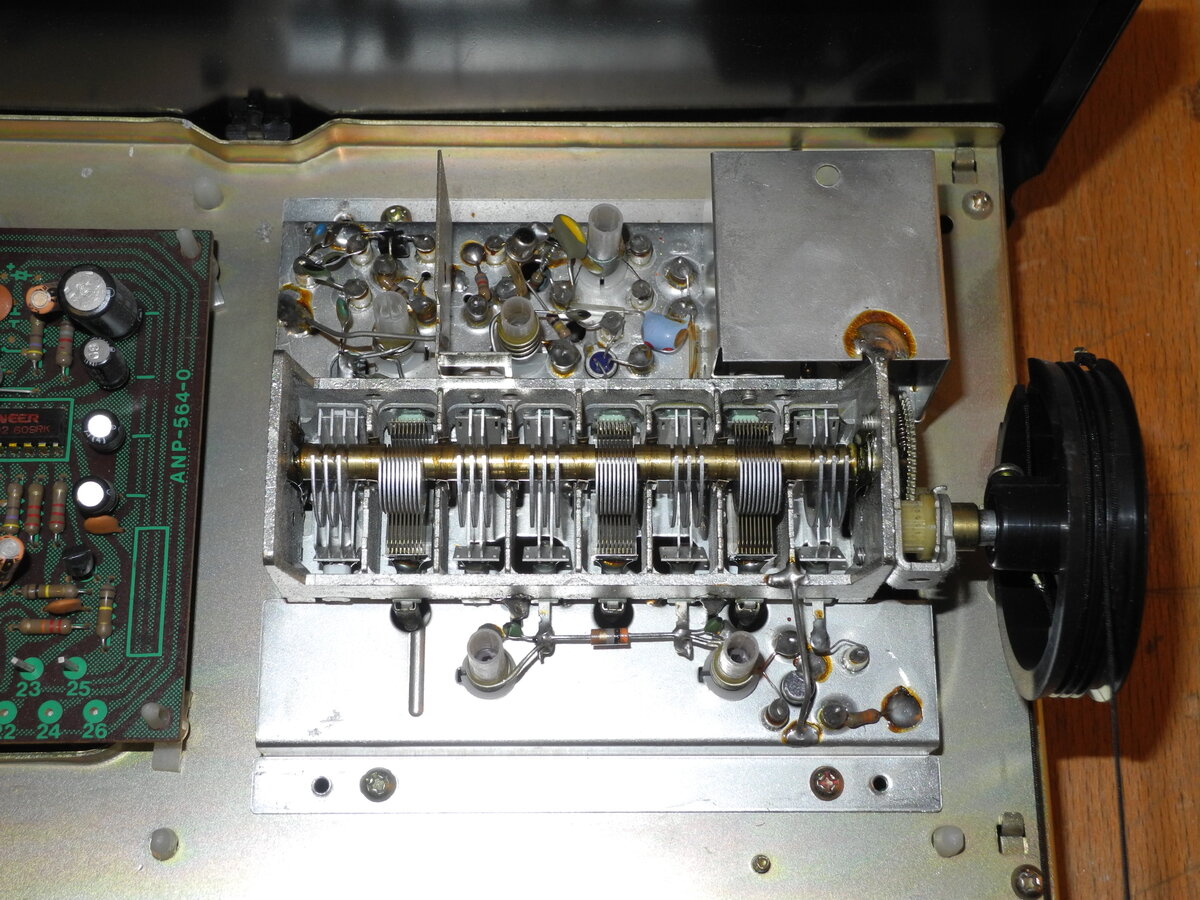
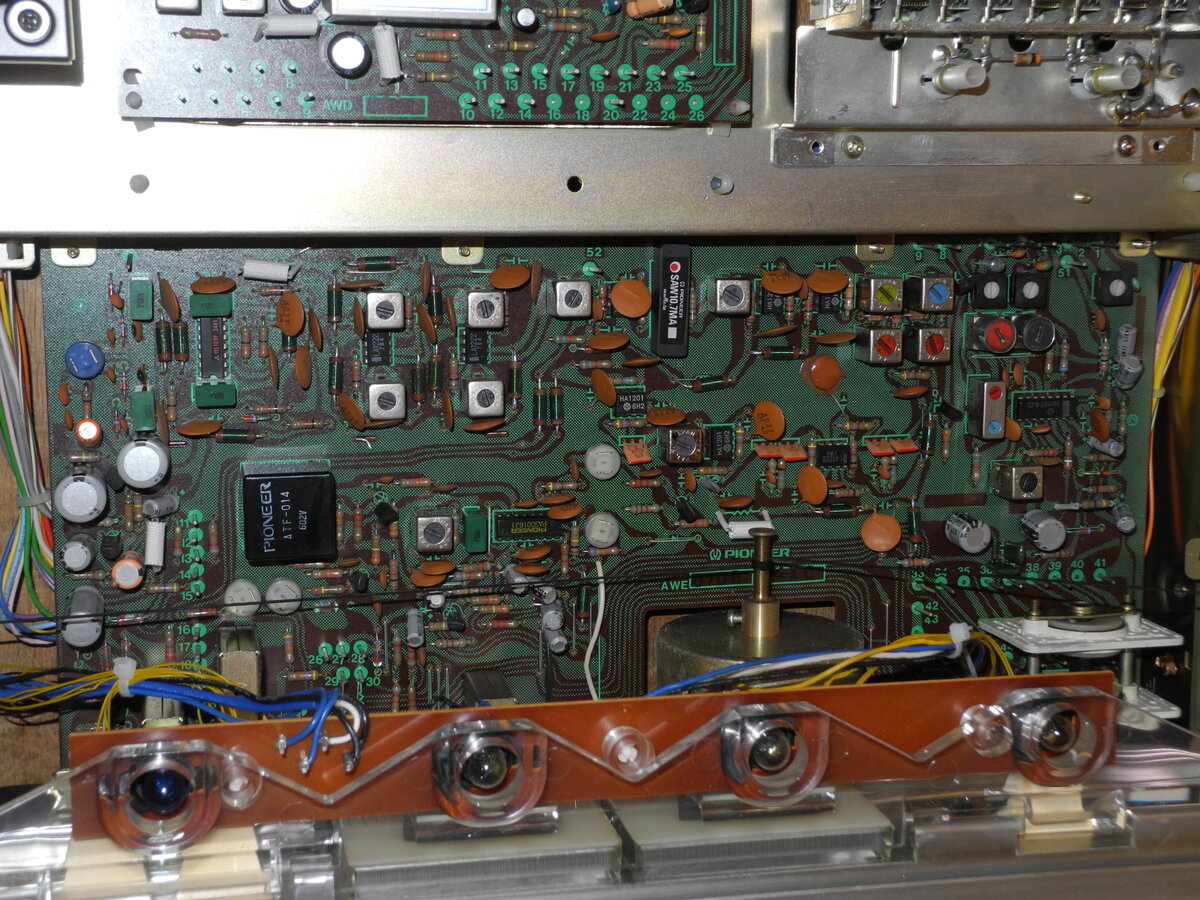
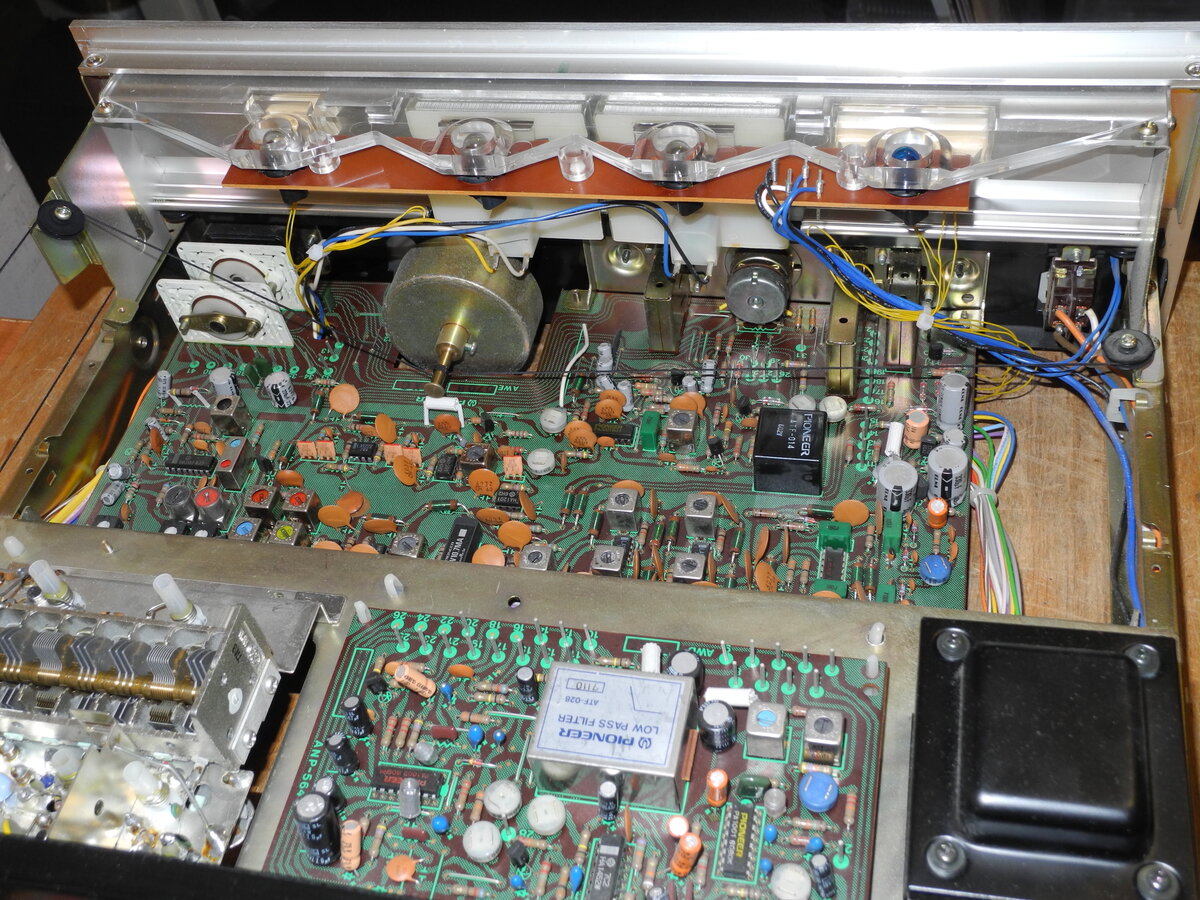
Its FM front end features a five-gang tuning capacitor. The FM IF amplifier is built with HA1201 and LA1222 ICs. One 10.7MHz SAW filter is used for wide-band reception and five ceramic 10.7MHz filters for narrow-band reception. The FM detector stage is built around an M5109PR. Stereo decoding is handled by a PA100. The audio-frequency amplifier and muting circuits use a PA1002, while FM control functions are handled by a PA3001. Even the power supply uses a custom Pioneer PA2002 IC.
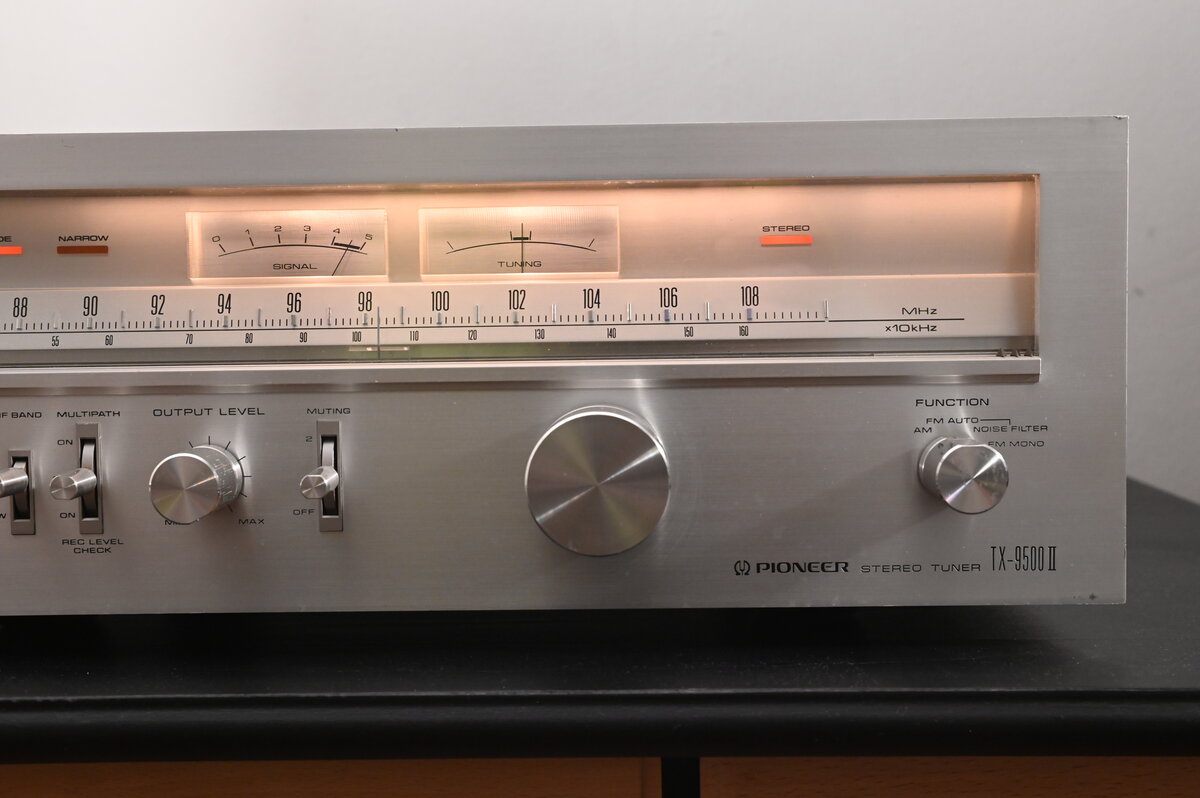
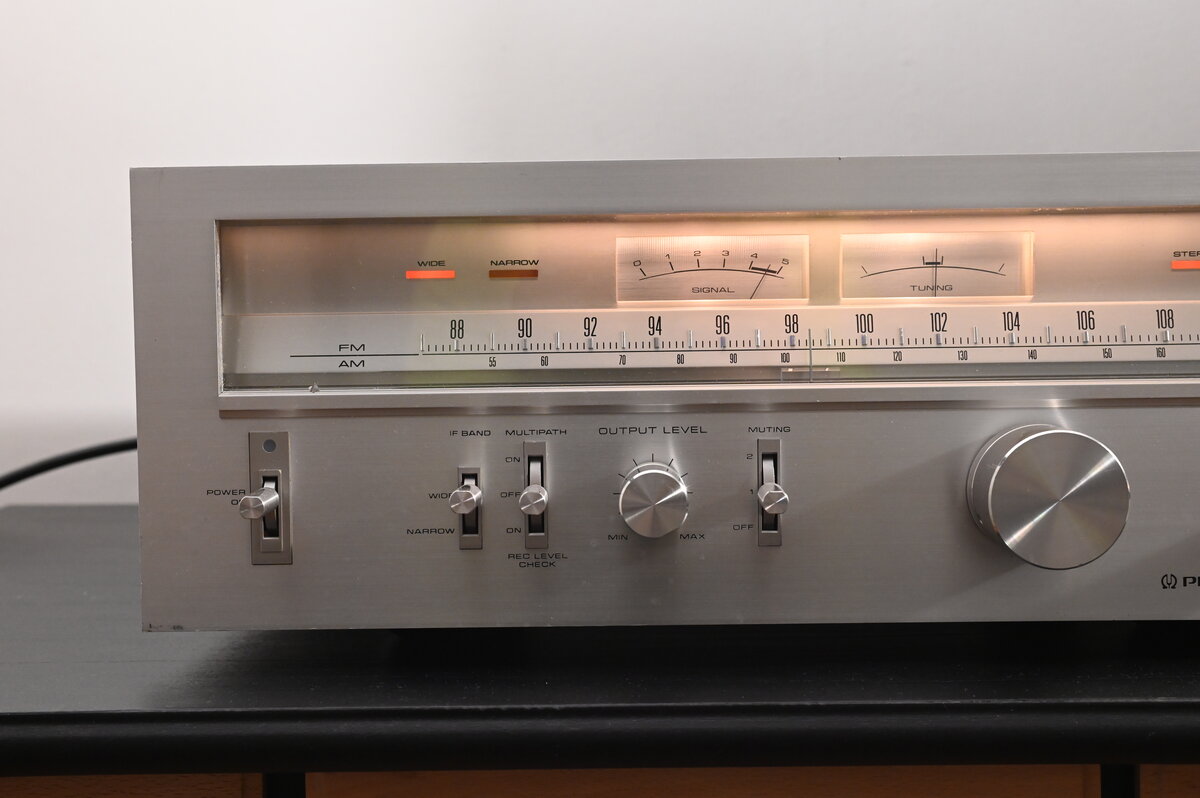
The front panel is stylish and easy to use. The chassis is well built, and the PCB boards are easily accessible for servicing.
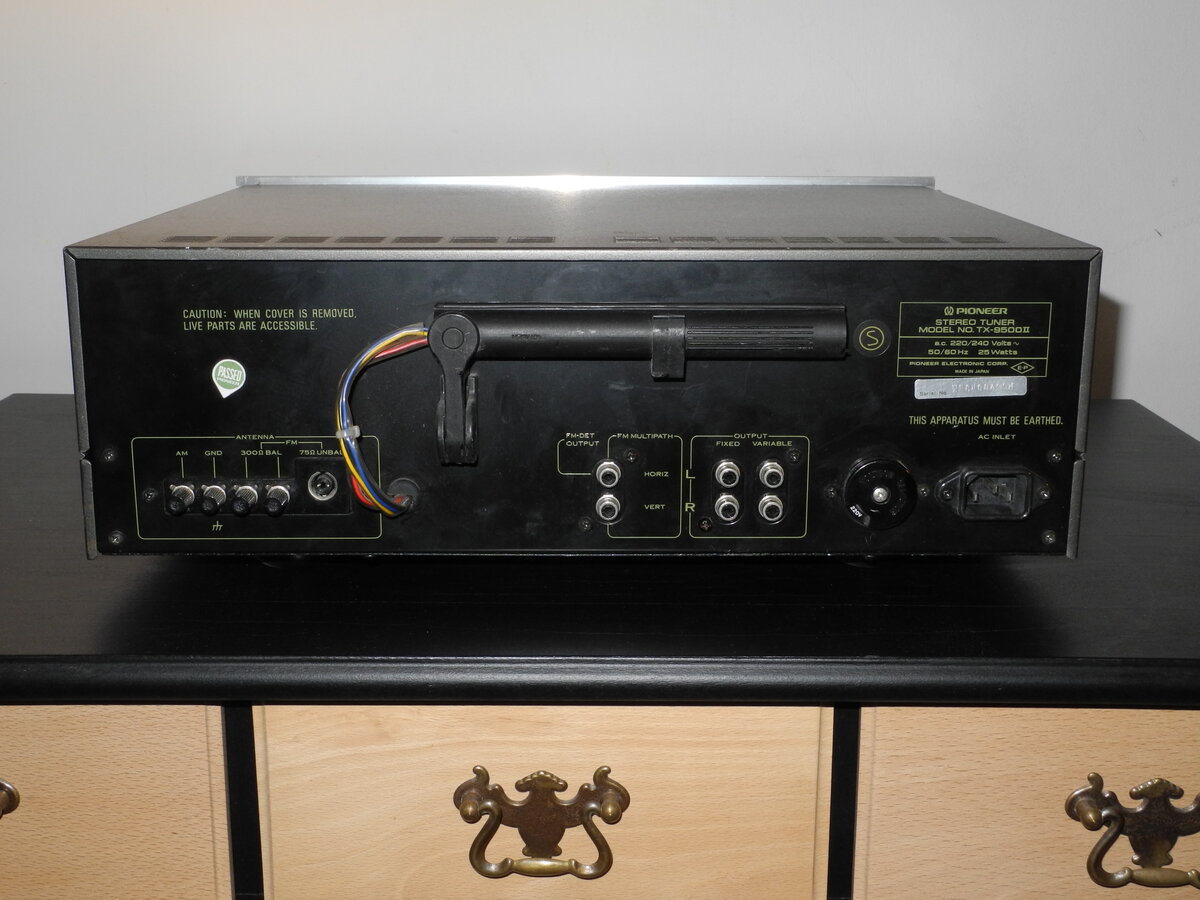
The tuner offers a variety of functions, including wide and narrow-band reception, output level control, an MPX noise filter, and two muting levels. The multipath function allows detection of multipath interference through the speakers. When this function is on, the antenna position should be adjusted to minimize the audible sound level.
Reception is excellent, and the sound is remarkably clean and detailed, delivering a listening experience that can easily be mistaken for CD playback.
Manufacturer: Pioneer
Status: Active company
Official website: global.pioneer
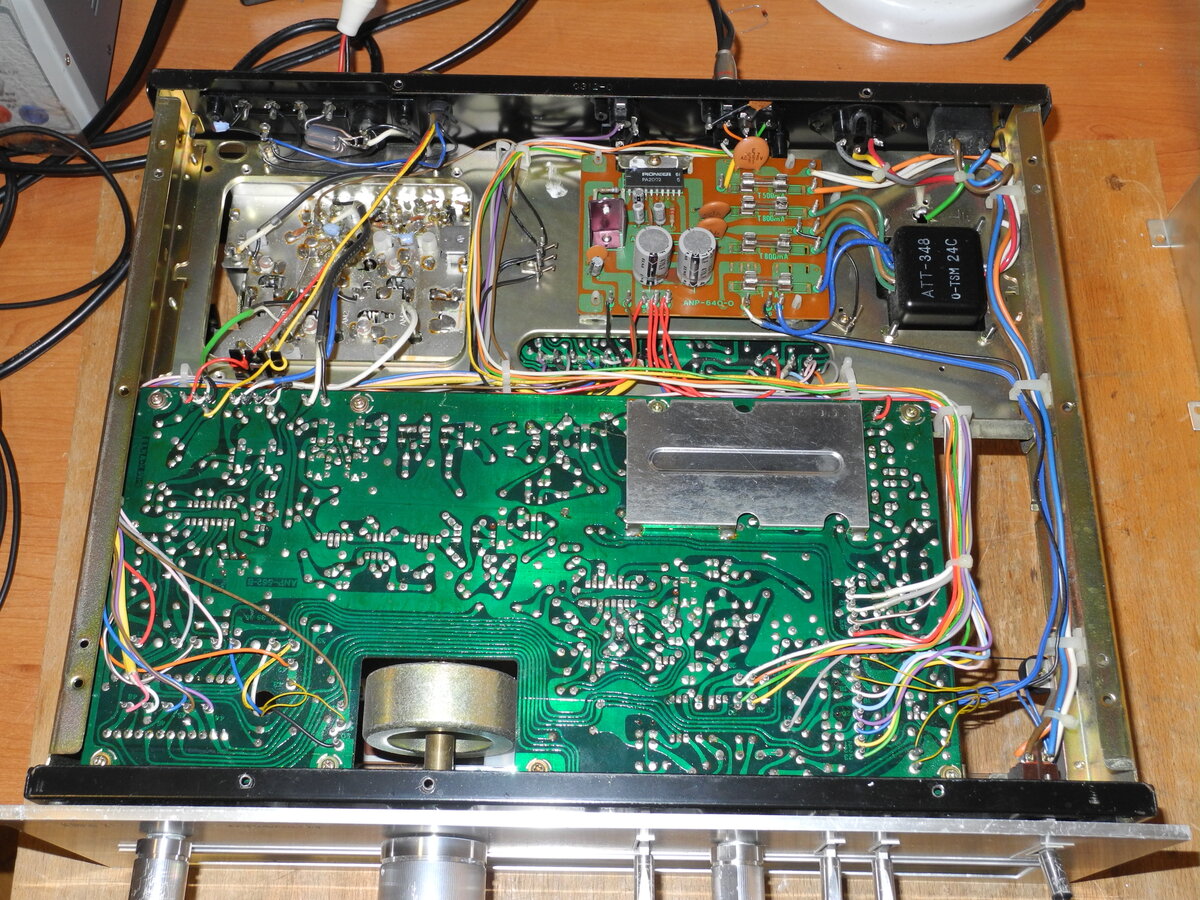
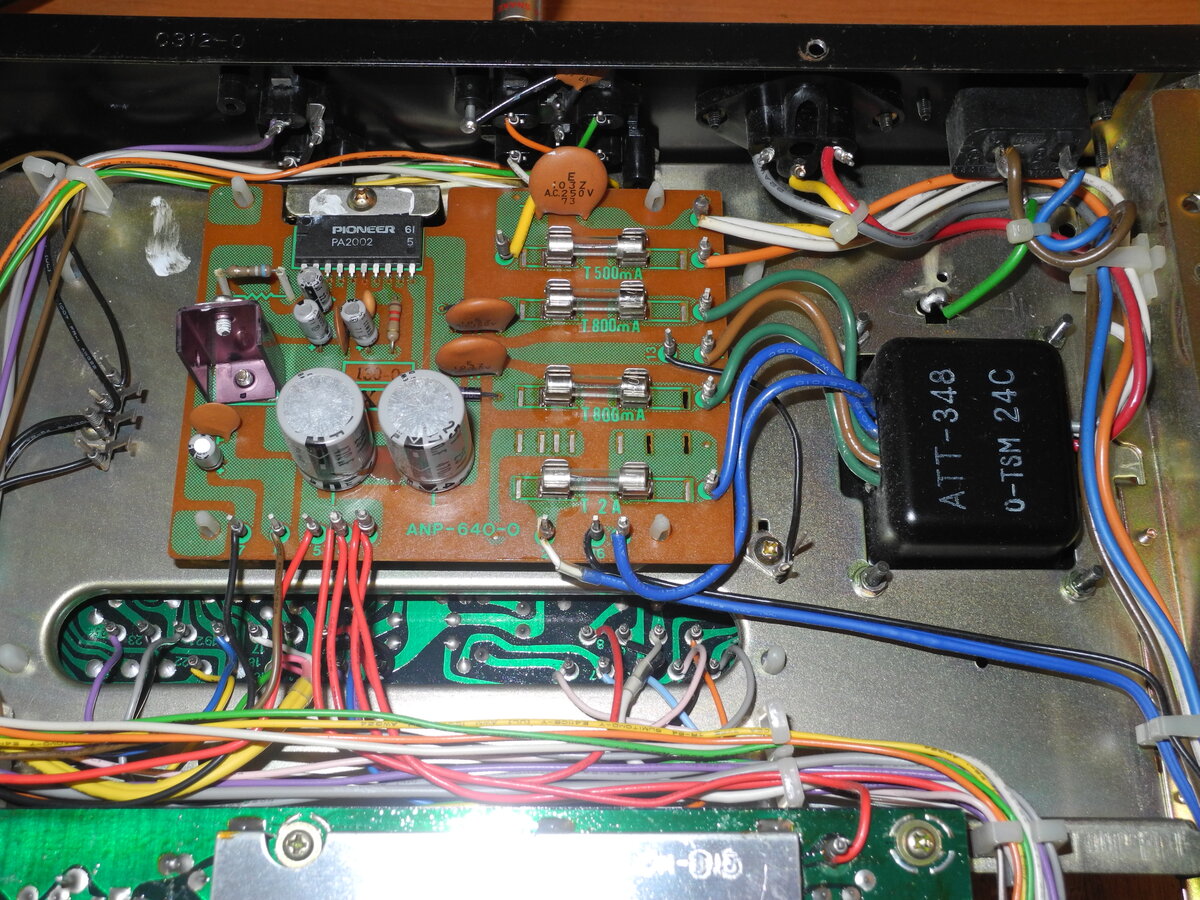
General Specifications
Antenna Input: 75Ω & 300ΩFM Tuning Range: 87.5MHz-108.0MHz
Usable Sensitivity: 8.8dBf
Quieting Sensitivity (50dB): 36.1dBf
Signal-to-Noise Ratio (65dBf): 77dB
Total Harmonic Distortion (1kHz): 0.07%
Frequency Response (20Hz-15KHz): +0.2,-0.5dB
Stereo Separation (1KHz): 50dB
Muting Threshold: 19.2dBf
Dimensions (WHD): 420×150×395mm
Weight: 9.5kg
Produced: 1977-1979
Initial price: $400
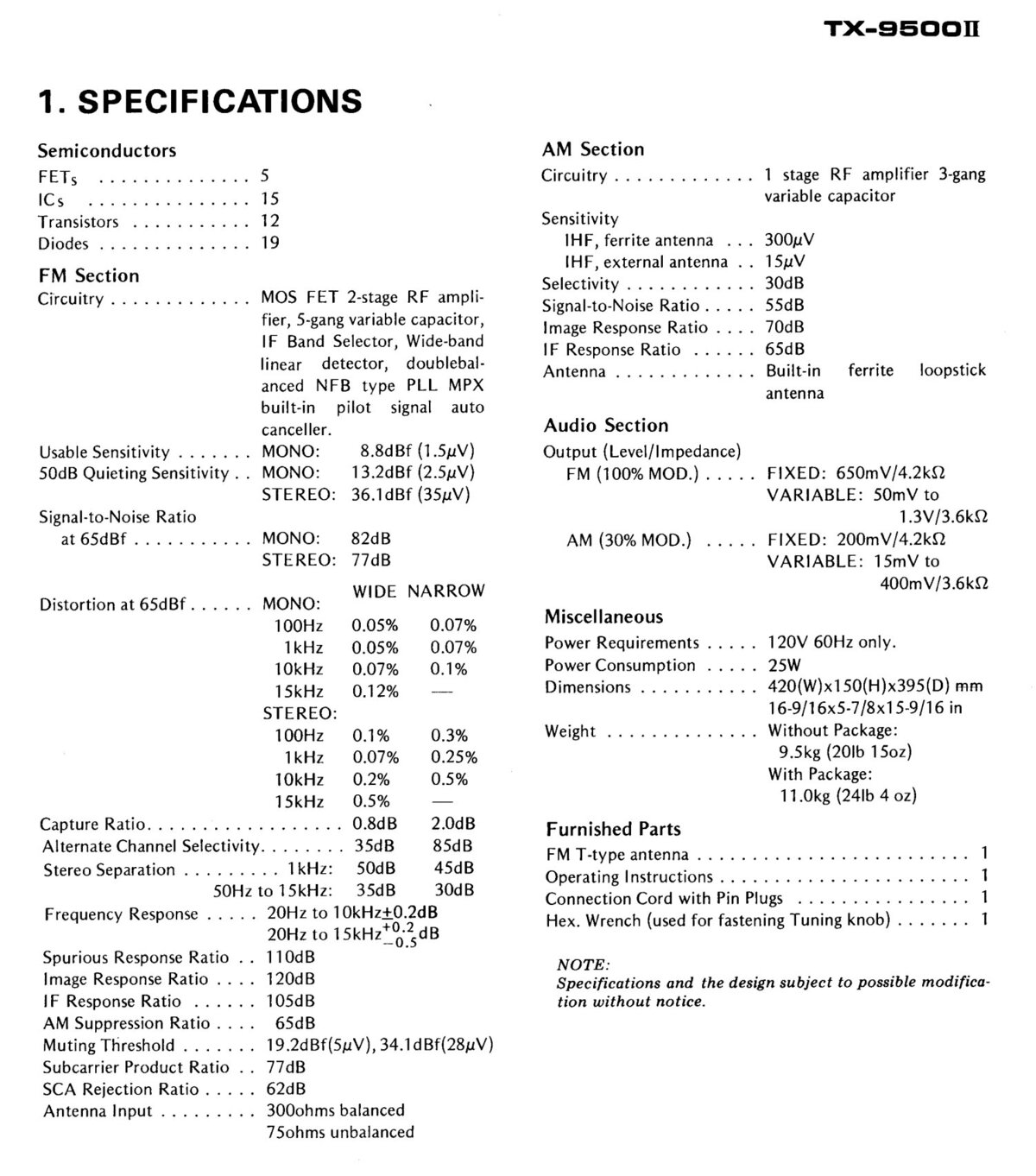
Factory Specification Sheet
Factory specification images are sourced directly from the device's original service manual or user manual. These documents are produced by the manufacturer and provide authoritative information on the product's specifications.
FM Tuner
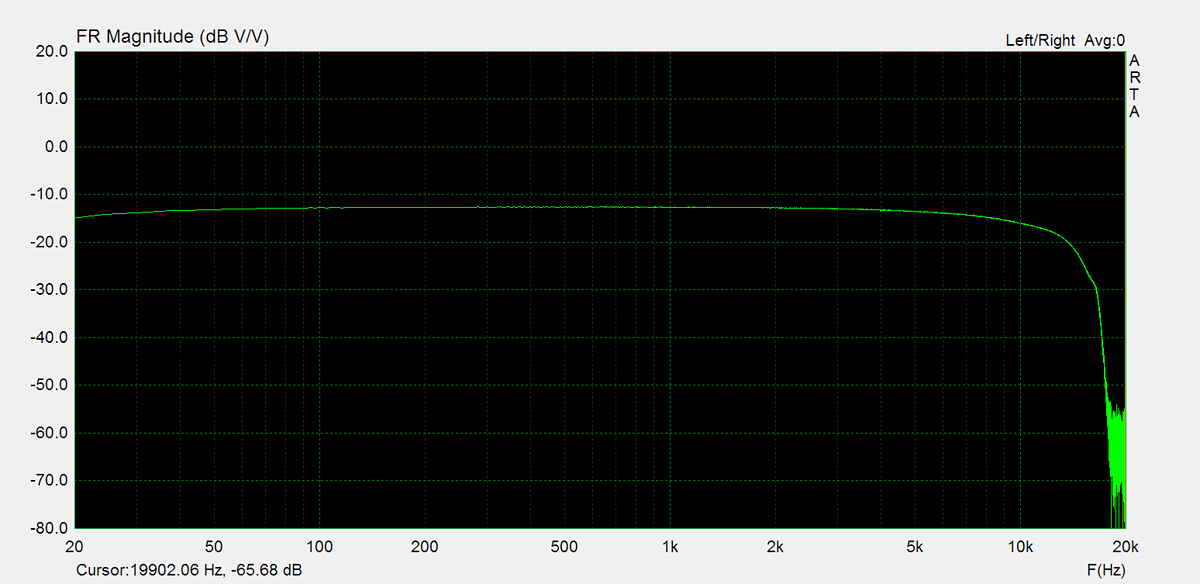
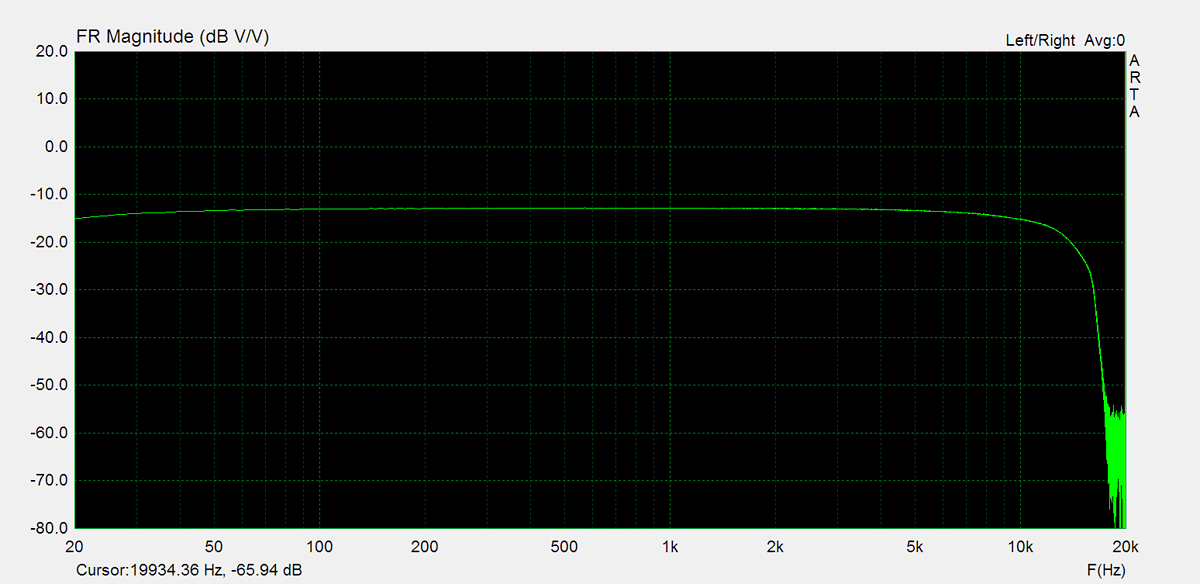
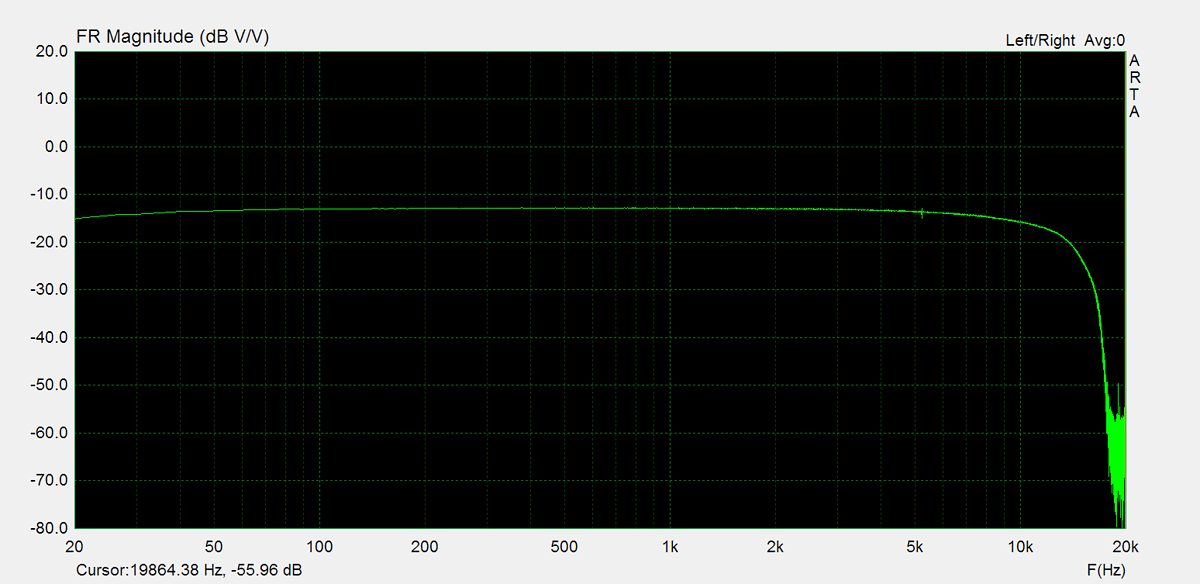
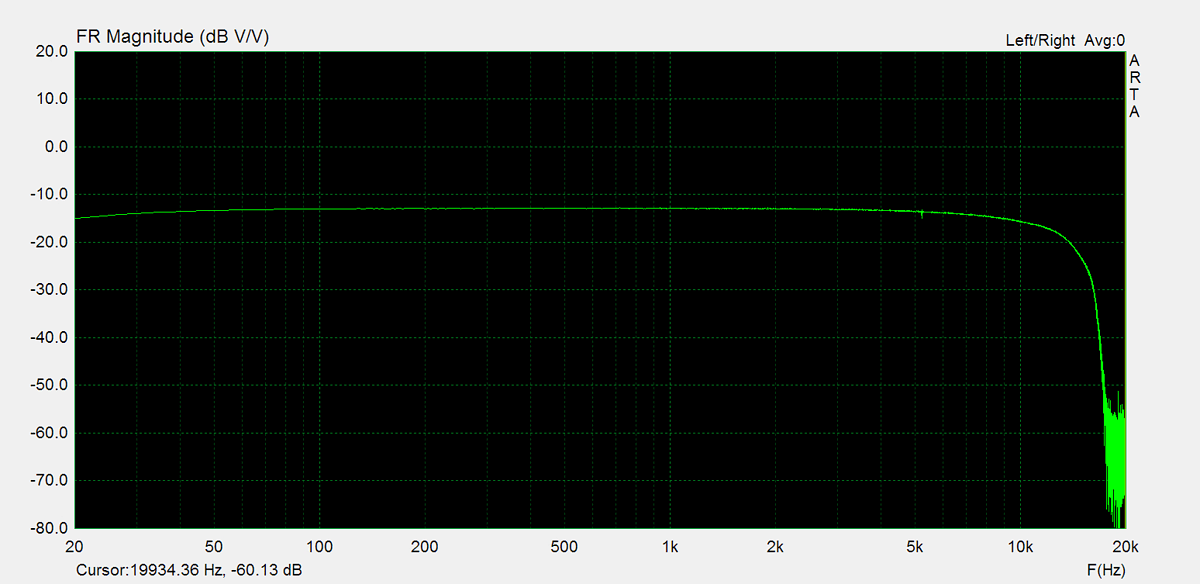
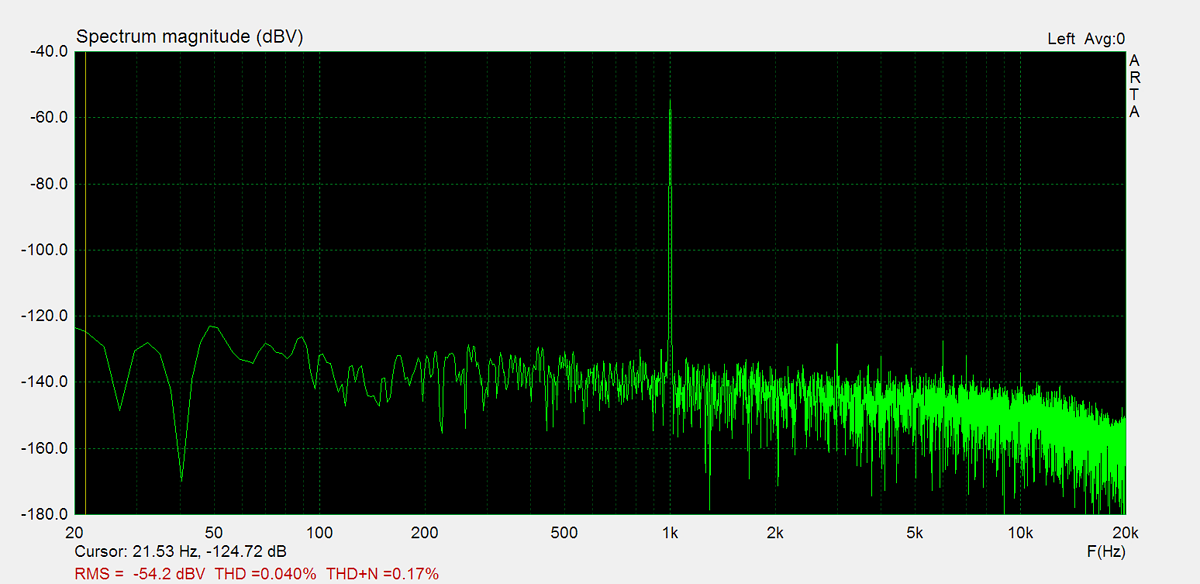
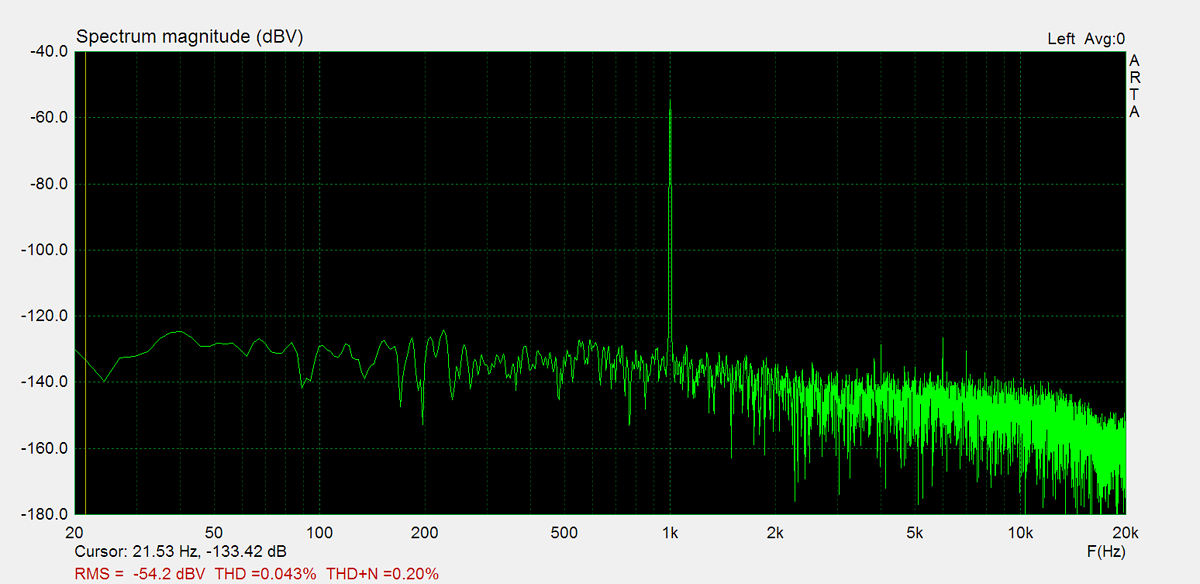
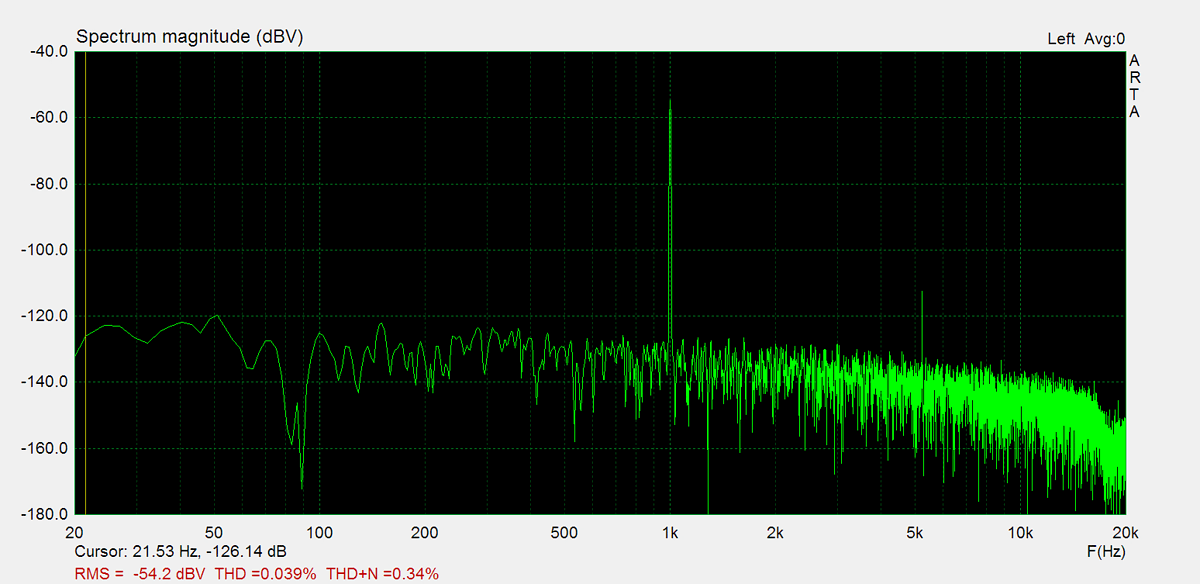
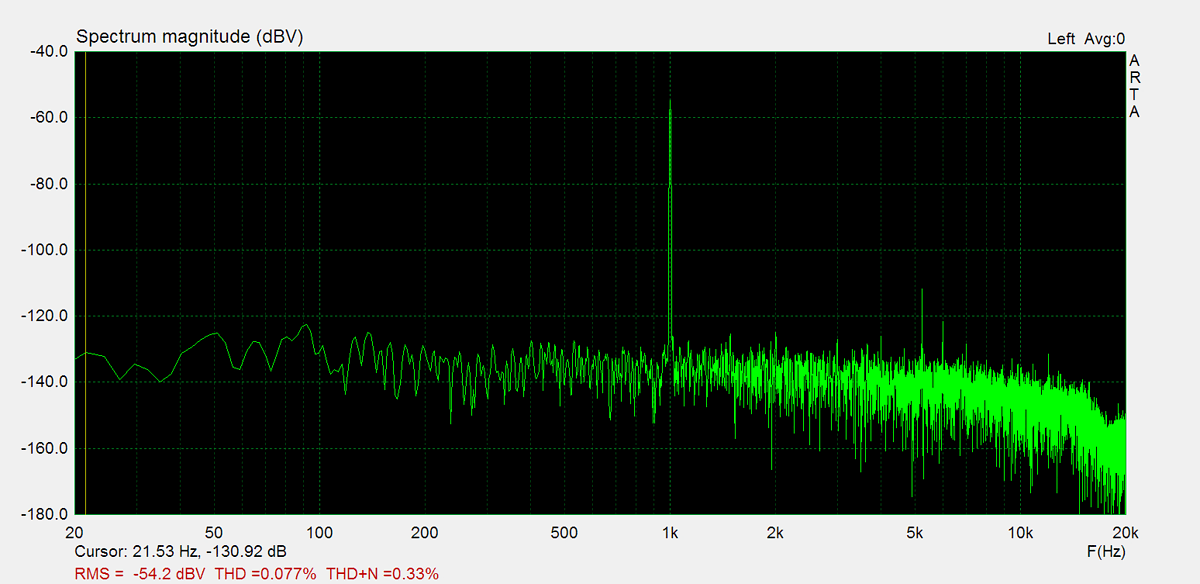
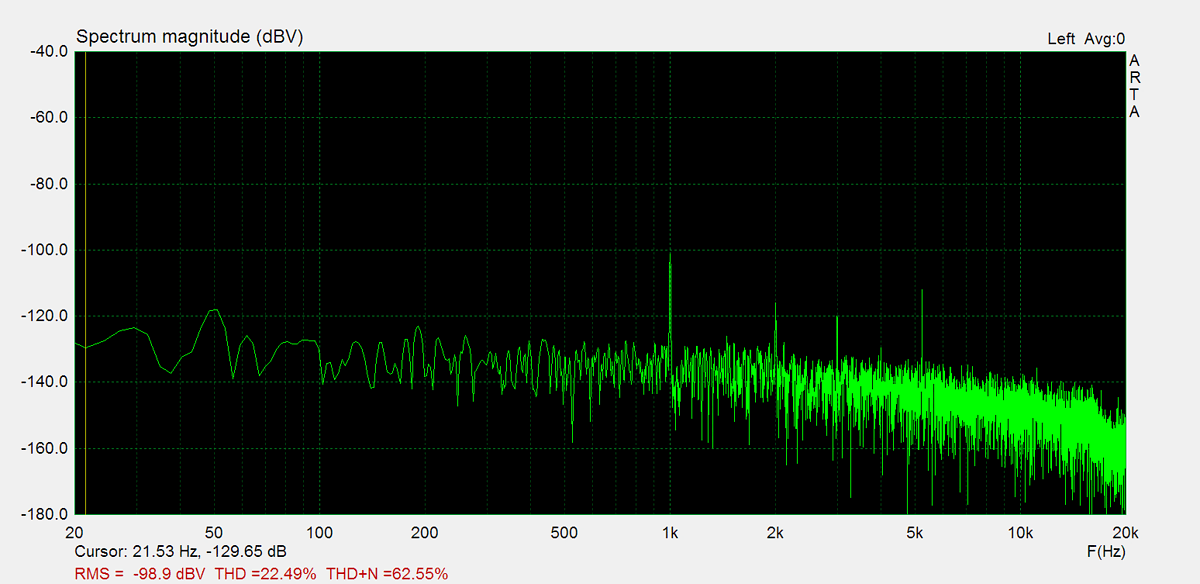
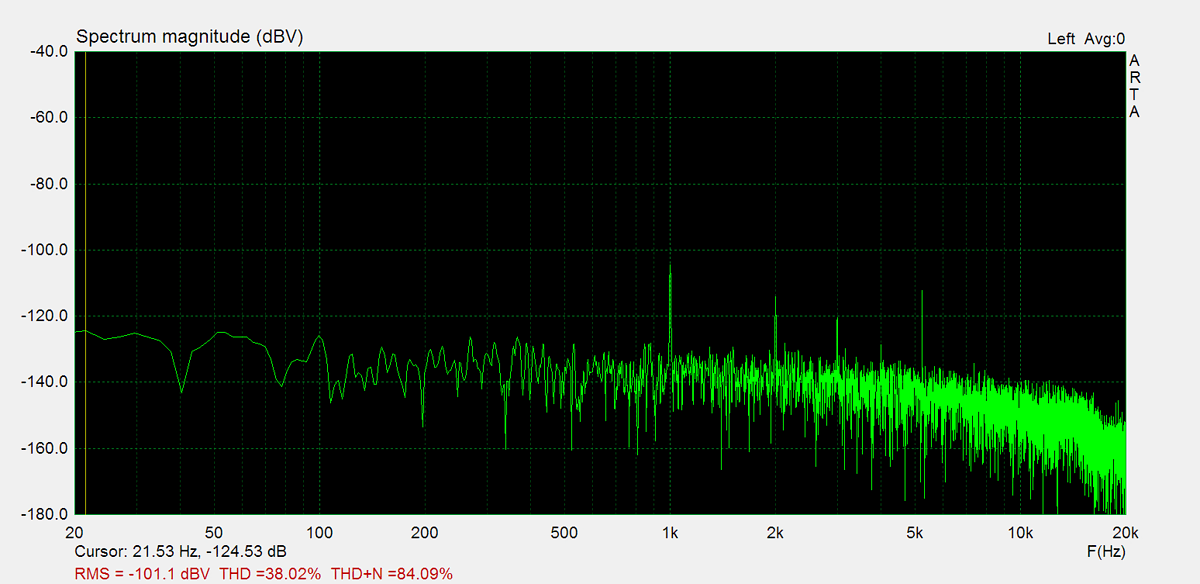
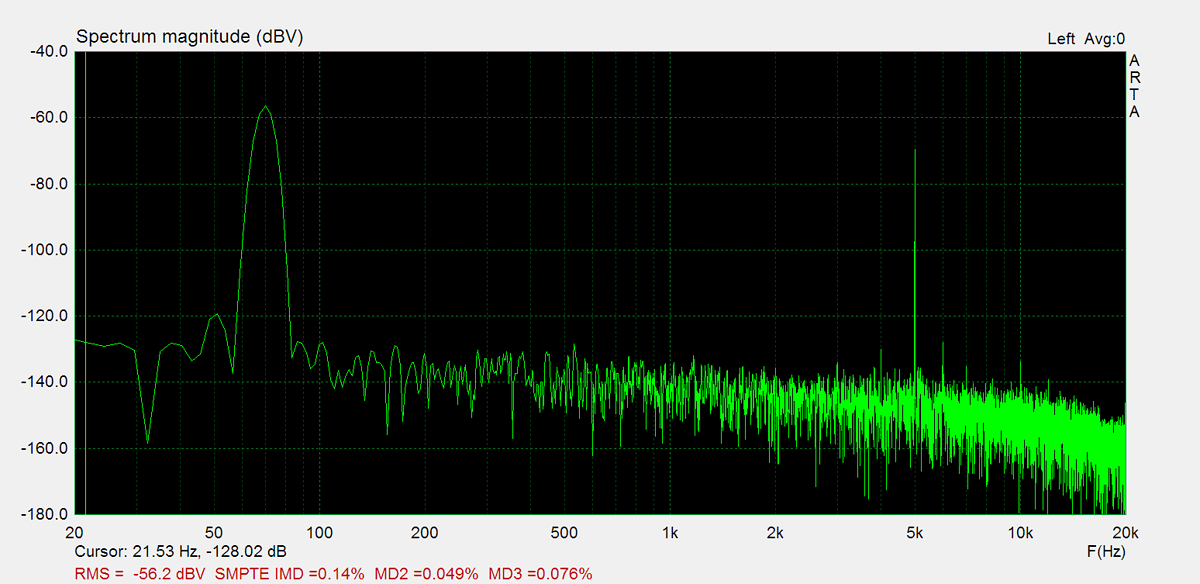
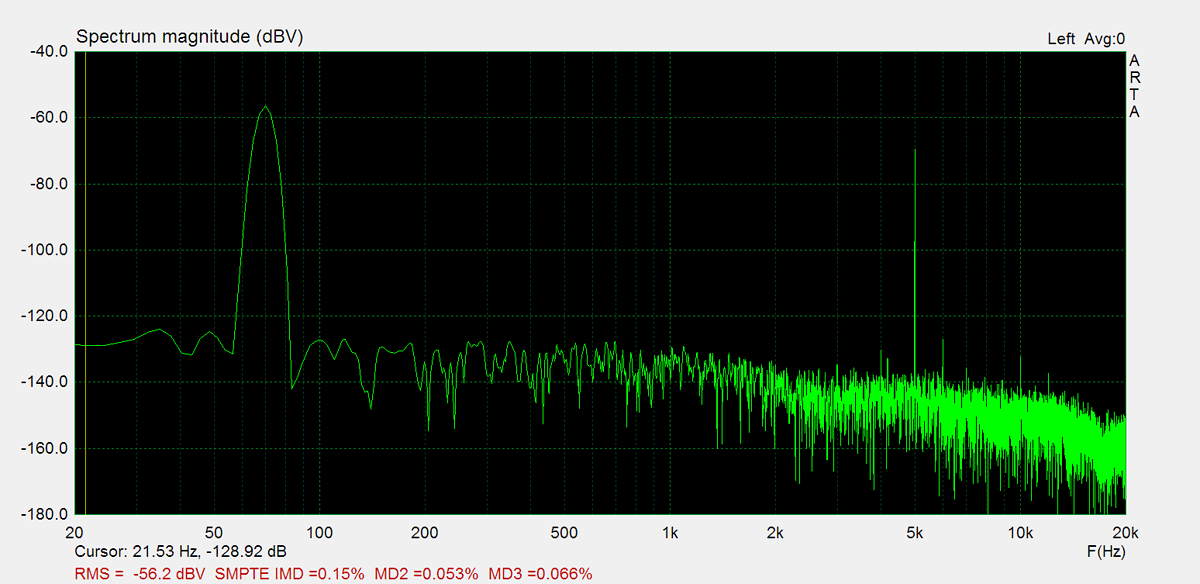
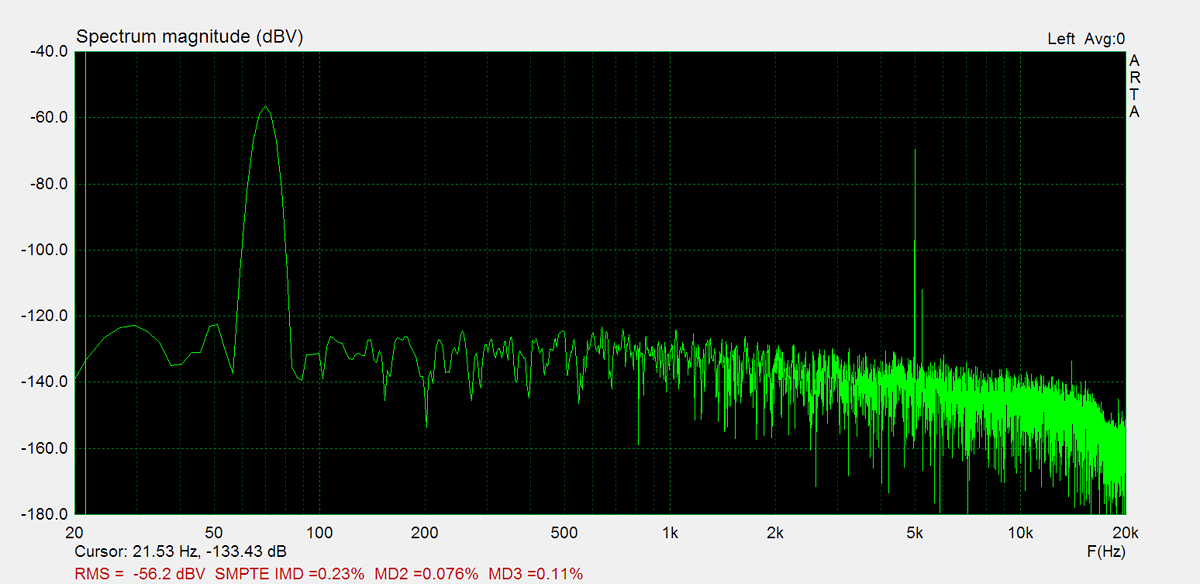
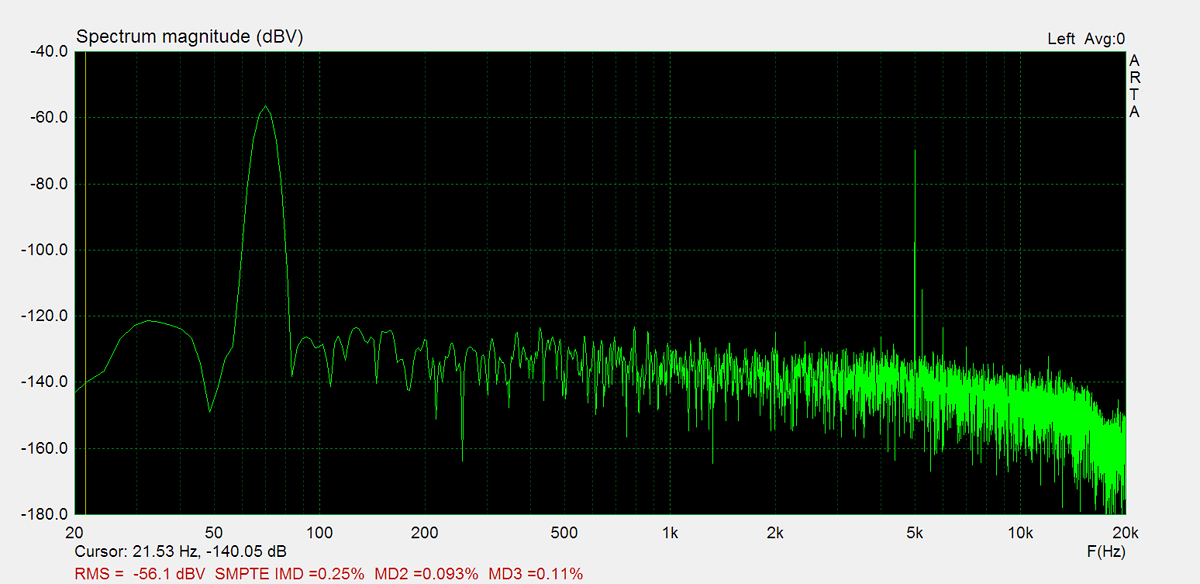
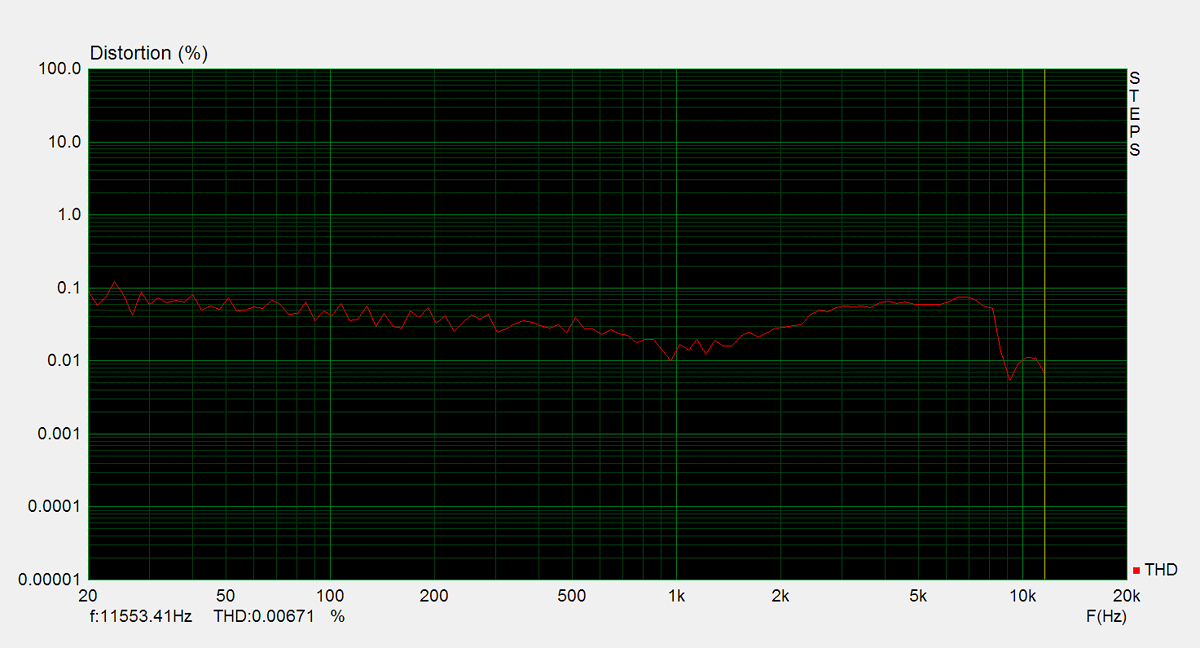
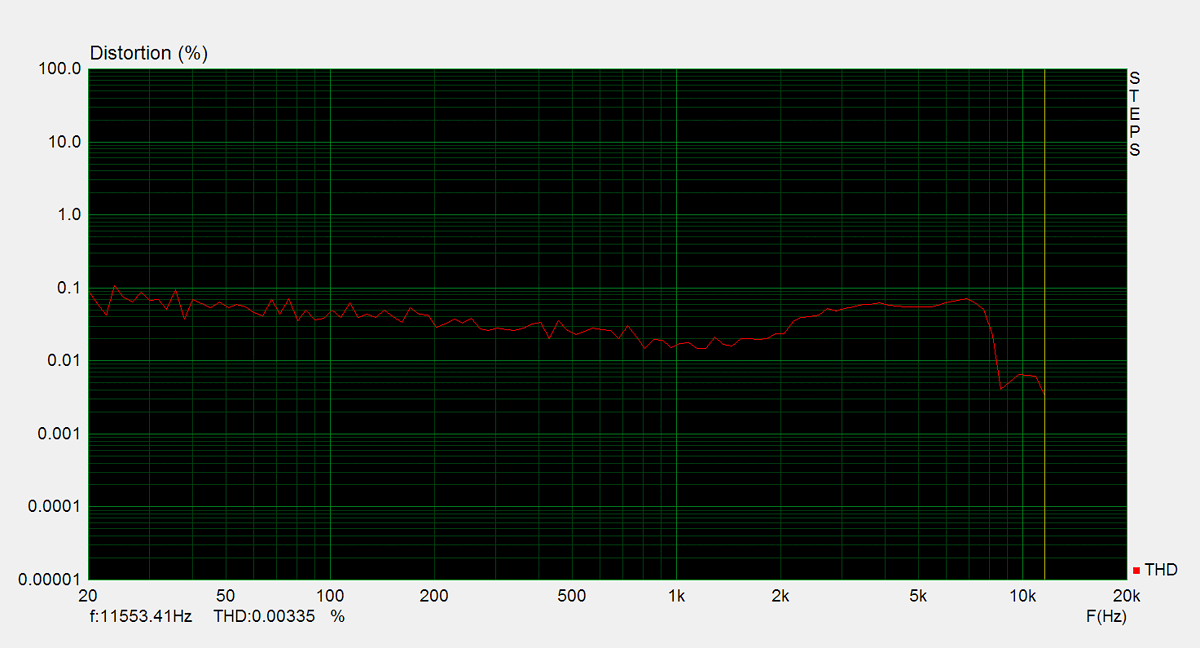
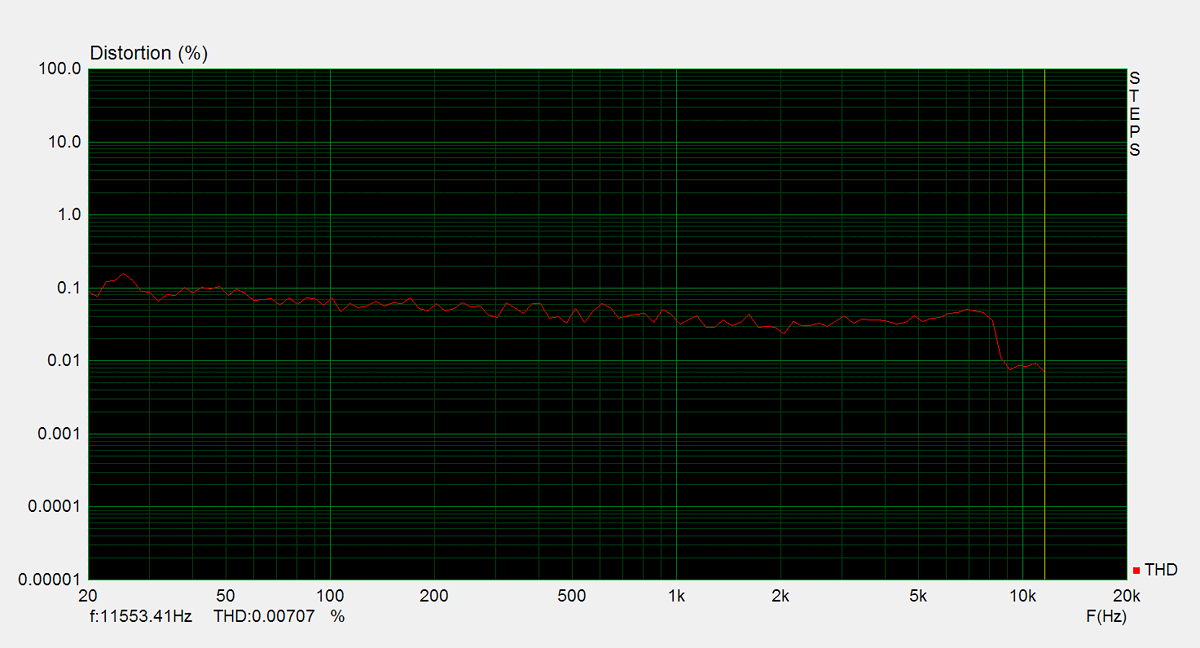
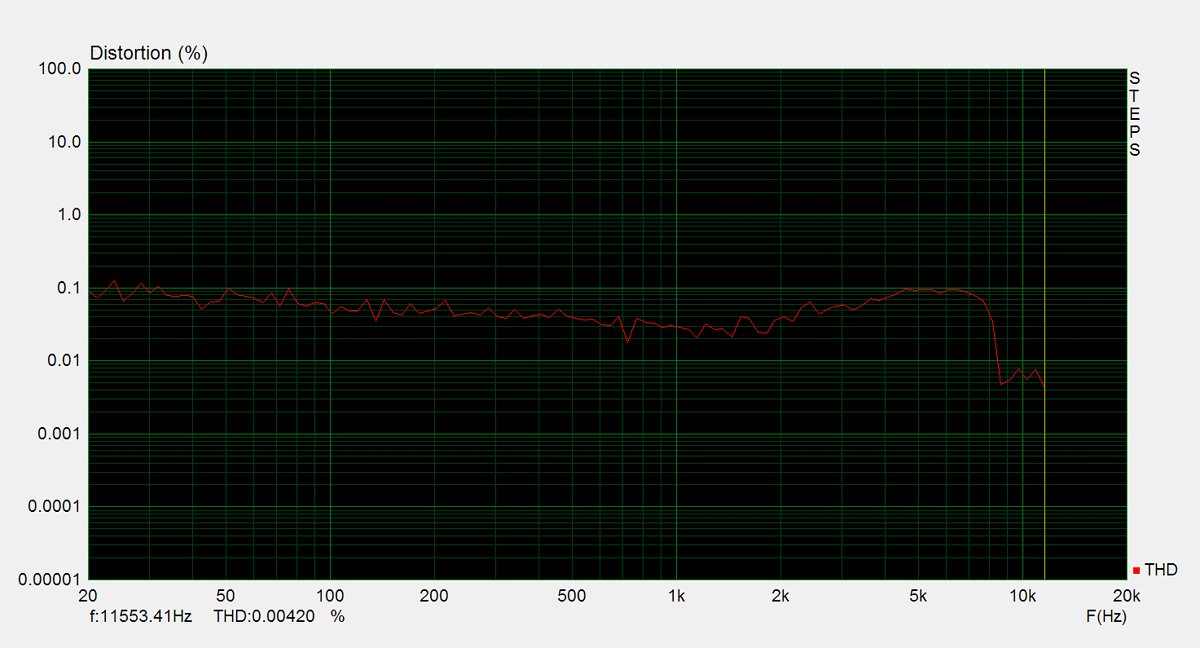
Measurements of the tuner section were performed using an FM signal generator, with its output fed directly into the antenna input. AM measurements were not conducted.